Development · Jinn Systems
Web Application
Development
Web application development is not the same thing as building a website. A web application has users, sessions, state, data, and logic. It needs architecture, not just a template.
Jinn Systems is a web application development company that builds scalable, high-performance systems for startups, product teams, and enterprises that need software to carry real business weight.
Built for scale
- Architecture reviewed before development begins
- Performance requirements defined upfront, not optimized after
- Deployed with monitoring, documentation, and a defined support window
Services · Development · Web Application Development
Why most web apps fail
Bad planning, not bad developers.
Most web application projects begin the same way: a rough brief, an optimistic timeline, and a team that starts writing code before the system design is done. That works fine for simple sites. It does not work for applications.
A web application has moving parts: user authentication, data persistence, API integrations, business logic, access control, performance under load. When these are not accounted for in the architecture, they become problems mid-build, or worse, post-launch. Rebuilds are expensive. Scalability retrofits are painful. Both are avoidable.
The difference between a web application that lasts and one that doesn't is almost always decided before the first sprint starts.
How we do it differently
Architecture before code. Always.
Our custom web application development process starts with a structured discovery phase. We map the system requirements, define the data model, identify integration points, and document the decisions that will be hardest to change later.
That architecture document becomes the foundation for everything: the development plan, the testing strategy, the deployment setup. It means the team builds the right thing the first time, not the fast thing that needs replacing six months later.
We build web app development services that are designed to grow with your business, not ones that need to be thrown out when you do.
01 — Design for load
We model the expected load pattern before choosing the stack. A system that serves 100 users and one that serves 100,000 are architecturally different from day one.
02 — Data first
The data model shapes every other decision. We define it with care because changing it later, under a live application with production data, is expensive and risky.
03 — No rebuild traps
We avoid patterns that seem fast now but force rewrites later. Clean service boundaries, documented APIs, no hidden dependencies between layers.
Who we work with
Built for teams that need more than a website.
Startups
Building a SaaS platform from scratch
You have a product concept and need a web application that can serve paying customers from launch and scale without a rewrite at 10,000 users.
SaaS Development →Businesses
Replacing broken internal tools
You are running critical operations on spreadsheets, email chains, or legacy systems that were never designed for what you are asking of them.
Custom Software →Operations
Digitising a manual process
You have a workflow that works on paper or in offline systems and you need a web application that can carry it at scale, with proper data, access control, and auditability.
Software Consulting →Founders
Shipping an MVP that can survive traction
You need to move fast but you cannot afford to build something that falls apart the moment it gains users. Good MVP architecture is a decision, not a luxury.
MVP Development →Scope of work
What we build.
SaaS Platforms
01Multi-tenant platforms with subscription billing, user management, feature access controls, and the infrastructure needed to serve paying customers reliably. Built to scale without rebuilding the foundation.
Custom Business Systems
02Web applications built around specific business operations: order management, workflow automation, reporting dashboards, approval systems, client portals. Designed around how your business actually works, not around a generic template.
CRM & Customer Platforms
03Web-based CRM and customer management systems built for how your team sells and services. Not a Salesforce customisation. A purpose-built application around your actual pipeline, data model, and workflow.
MVP & Product Launches
04First versions of products that are built to be extended, not thrown away. We scope MVPs around validated assumptions, not everything on the roadmap, and architect them so the next version builds on the first one.
Location
Web application development
in the UAE.
Jinn Systems is headquartered in Sharjah and delivers web application development in Dubai, Abu Dhabi, and across the UAE. Web application development in the UAE has specific requirements that offshore teams frequently underestimate: Arabic language support, regional payment gateways, compliance with UAE data regulations, and integration with government digital services.
We have built production web applications for UAE-based businesses in real estate, logistics, fintech, and enterprise operations. That experience means we know the constraints before you have to explain them, and we have solved the integration problems that cause most projects to stall.
For international clients, we operate on UTC+4 with same-day response and a communication style that does not require you to manage us. You get progress, not status reports.
Headquarters
Sharjah, UAE
UTC+4 (GST)
Response time
Same business day
For all UAE clients
Languages
English & Arabic
Bilingual app support
Reach
Global clients
Remote-first delivery
Application types
Types of web applications we build.
SaaS Platforms
Software-as-a-service products that serve multiple customers from a shared infrastructure. Multi-tenant data models, usage-based billing, subscription management, and onboarding flows built into the core.
Analytics Dashboards
Data-heavy web applications with real-time reporting, role-based views, and the ability to query large datasets without degrading performance. Built for the people who need to make decisions, not just see numbers.
Enterprise Tools
Internal web applications used by teams across the organisation: resource planning, approval workflows, compliance tracking, document management. Built for reliability and access control, not just functionality.
Customer Portals
Authenticated web applications where your customers manage accounts, submit requests, track orders, or access services. Designed with the user experience your customers expect and the backend your operations require.
Operations Platforms
Custom web applications that replace manual coordination: field service management, inventory systems, logistics tracking, booking systems. Designed around the people doing the work, not the org chart.
API-Driven Products
Web applications built with a clean separation between backend API and frontend interface. Easier to maintain, easier to extend, and able to serve multiple clients (web, mobile, third-party) from the same data layer.
From the field
Projects we have delivered.
UAE Logistics — Operations Platform
01The situation
A UAE-based logistics company was coordinating field operations across 40+ technicians using shared spreadsheets and WhatsApp groups. No audit trail. No real-time job status. Scheduling conflicts resolved by phone. The process worked at 15 technicians and broke at 40.
What we built
A mobile-accessible web application with role-based access, real-time job assignment, status tracking, and API integration to their billing system. Delivered in 12 weeks from discovery to production deployment.
12 wks
Discovery to launch
~60%
Less manual coordination
40+
Field users on day one
B2B SaaS — Platform Rebuild
02The situation
A SaaS startup had launched on a no-code platform and grown to 300 paying customers before hitting the ceiling. Custom integrations were impossible, performance degraded under concurrent sessions, and the data model could not support the enterprise tier they were selling into.
What we built
A rebuilt multi-tenant SaaS platform with a scoped API architecture, tiered access controls, and enterprise SSO integration. Migration completed with zero customer-facing downtime across all 300 active accounts.
300
Accounts migrated
0
Downtime during migration
16 wks
Full rebuild timeline
Our process
How we build web applications.
01
Discovery & Planning
We map user flows, define data requirements, identify integration dependencies, and establish the success criteria that will guide every decision from here.
02
Architecture Design
System architecture is documented and reviewed before development starts. Frontend structure, API design, database schema, infrastructure, and third-party integrations are all decided at this stage.
03
Development
Iterative development with working builds on a defined cadence. You see the application at regular intervals throughout the engagement, not just at the end.
04
Testing
Automated tests, load testing, and manual QA for critical user paths. Testing is part of the development cycle, not a phase bolted on at the end to meet a deadline.
05
Deployment & Scaling
Launch with infrastructure monitoring, alerting, runbooks, and a defined support window. Your team is not left managing a system they do not understand from day one.
Clarification
A web application is not a website.
A website
-
→
Delivers static or semi-static content to any visitor
-
→
Has little or no user-specific state
-
→
Does not require a backend system to serve core content
-
→
Built with a CMS, static site generator, or page builder
-
→
Scalability is mainly a CDN and hosting configuration
A web application
-
→
Serves different content to different authenticated users
-
→
Manages persistent state: sessions, records, permissions
-
→
Has a backend with business logic, data processing, and APIs
-
→
Requires careful database design and access control
-
→
Scalability is an architectural concern from the first sprint
Most teams know they need a web application. The mistake is hiring a team that builds websites and asking them to scale it. The tooling, the architecture decisions, the infrastructure choices, and the team skills required are fundamentally different. That gap is where most projects fail. Our custom web application development practice exists specifically to close it.
Technology
How we think about the stack.
Performance
Performance requirements are defined before the tech stack is chosen. Server response times, query budgets, and load targets are specifications, not aspirations.
Scalability
We design for the scale you need to reach, not just the scale you are at. That does not mean over-engineering. It means making the decisions that are hard to reverse if you leave them until later.
Modern Frameworks
We use tools that have strong community support, long maintenance windows, and a talent pool you can hire from. We do not chase frameworks that will be deprecated before your first major version.
System Thinking
A web application is not a collection of features. It is a system with inputs, state, outputs, and failure modes. We design it that way from the start.
Commonly used technologies
Stack selection is always driven by your requirements. We do not have a preferred stack we fit every project into.
Common questions
Web application development FAQ.
What is the difference between a web application and a website?
A website delivers static or semi-static content to any visitor and does not require a backend system to serve its core content. A web application serves different content to different authenticated users, manages persistent state — sessions, records, permissions — and has a backend with business logic, data processing, and APIs. Scalability in a web application is an architectural concern from the first sprint, not a hosting configuration. If your users log in, if data changes based on who is viewing it, or if there is any business logic processing behind the interface: you have a web application.
How long does web application development take?
A focused MVP web application takes 8 to 14 weeks from discovery to launch. A full-featured SaaS platform or enterprise system takes 16 to 32 weeks depending on scope, integrations, and the complexity of the data model. Timeline is set after architecture is defined, not before. Any firm estimate given before a requirements review is a guess, not a plan.
What technologies do you use for web application development?
Stack selection is driven by project requirements, not preference. Common technologies include React, Next.js, Node.js, TypeScript, Python, PostgreSQL, Redis, GraphQL, AWS, Docker, and Kubernetes. We do not have a fixed stack we apply to every project. The right tool depends on your performance targets, your team's future maintenance capabilities, and the integration constraints of the systems you need to connect to.
Do you build web applications for businesses in Dubai and Abu Dhabi?
Yes. Jinn Systems is headquartered in Sharjah and delivers web application development in Dubai, Abu Dhabi, and across the UAE. We have built production web applications for UAE-based businesses in real estate, logistics, fintech, and enterprise operations. We handle Arabic language support, regional payment gateways, UAE data regulation compliance, and integrations with government digital services — requirements that offshore teams frequently underestimate.
Explore by service or location
Web application services and UAE locations.
Related service pages
Custom Software
Custom Software Development
Purpose-built systems designed around specific business workflows, data models, and operational logic. Architecture defined before development begins.
View service →Application Development
Application Development Company
Web, mobile, and enterprise application development for founders, businesses, and product teams. From MVP to production-grade platforms.
View service →CRM Development
Custom CRM Development
Sales and customer management systems built for the actual sales process, not configured around the limitations of off-the-shelf CRM tools.
View service →UAE location pages
Dubai
Web Development Company Dubai
Custom web applications, SaaS platforms, and enterprise systems for Dubai businesses. DIFC, DMCC, DED, and RERA context built in.
View page →UAE
Web Development Company UAE
Web development across all seven emirates. UAE-wide regulatory context, FTA VAT compliance, Arabic support, and UAE payment gateway integration.
View page →Abu Dhabi
Web Development Company Abu Dhabi
Web development for Abu Dhabi businesses with DOH healthcare compliance, ADGM financial services context, and TAMM government integration requirements.
View page →Recent work
Systems we have shipped
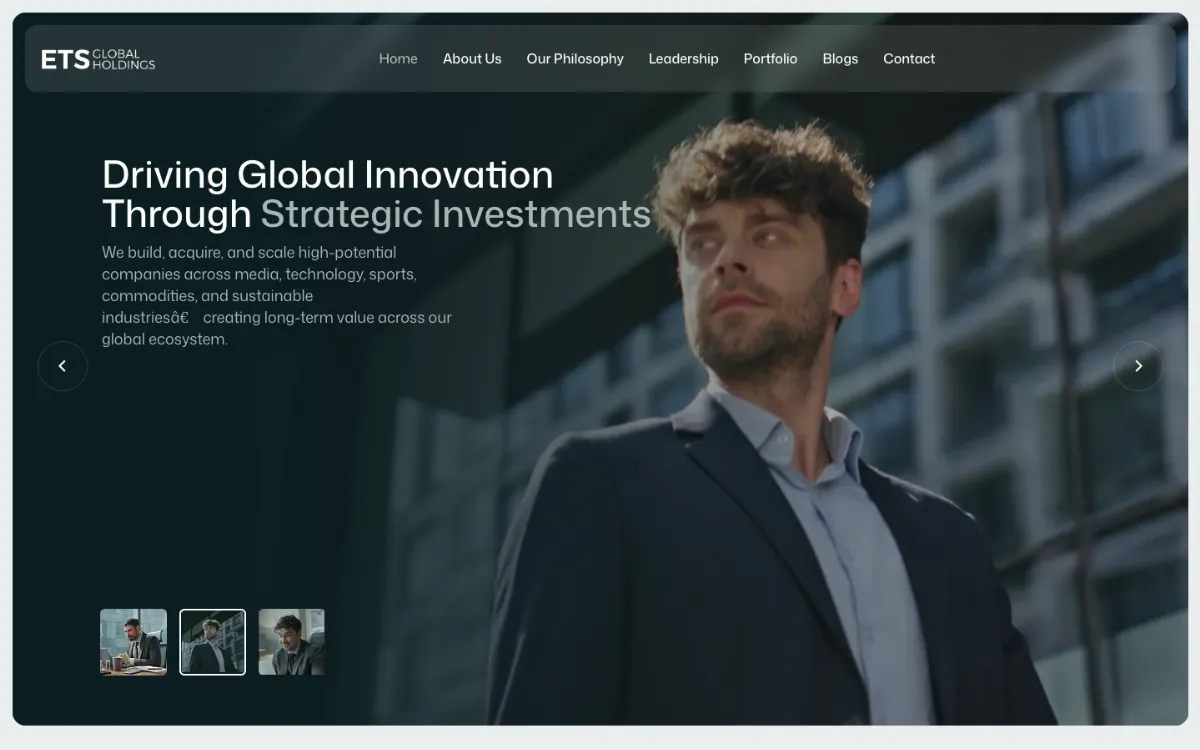

Multi-Brand Group
ETS Group
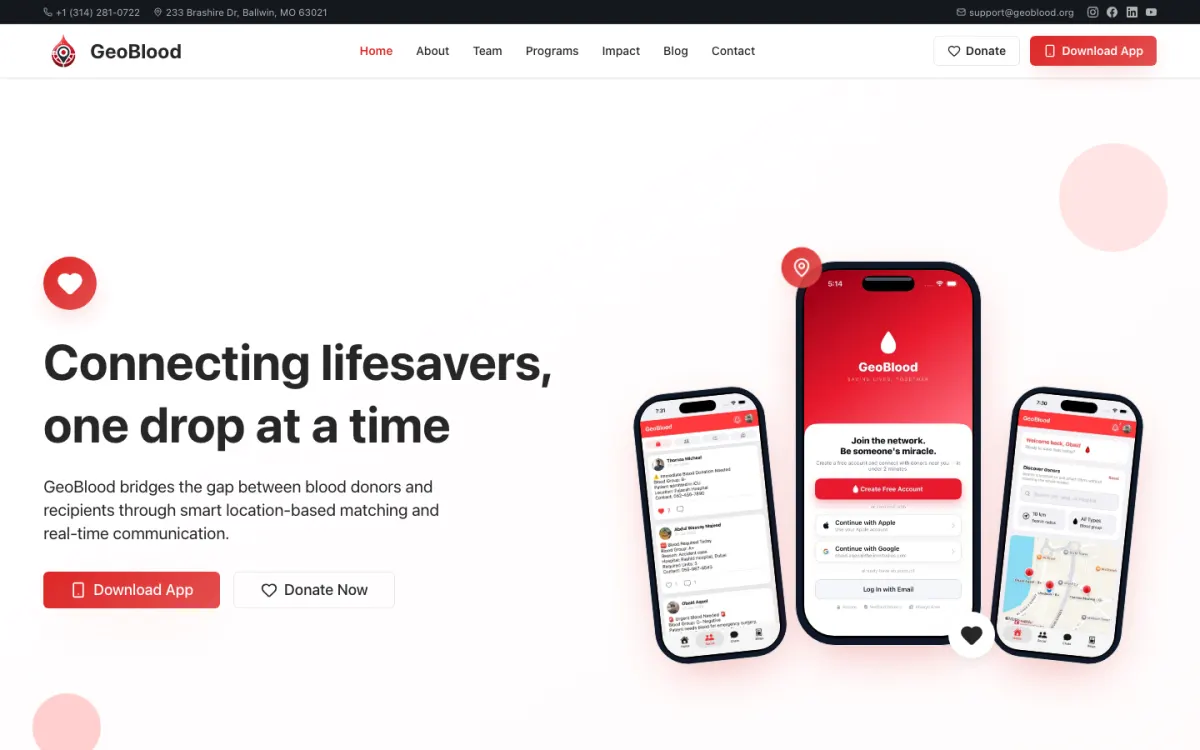

Health Platform
GeoBlood
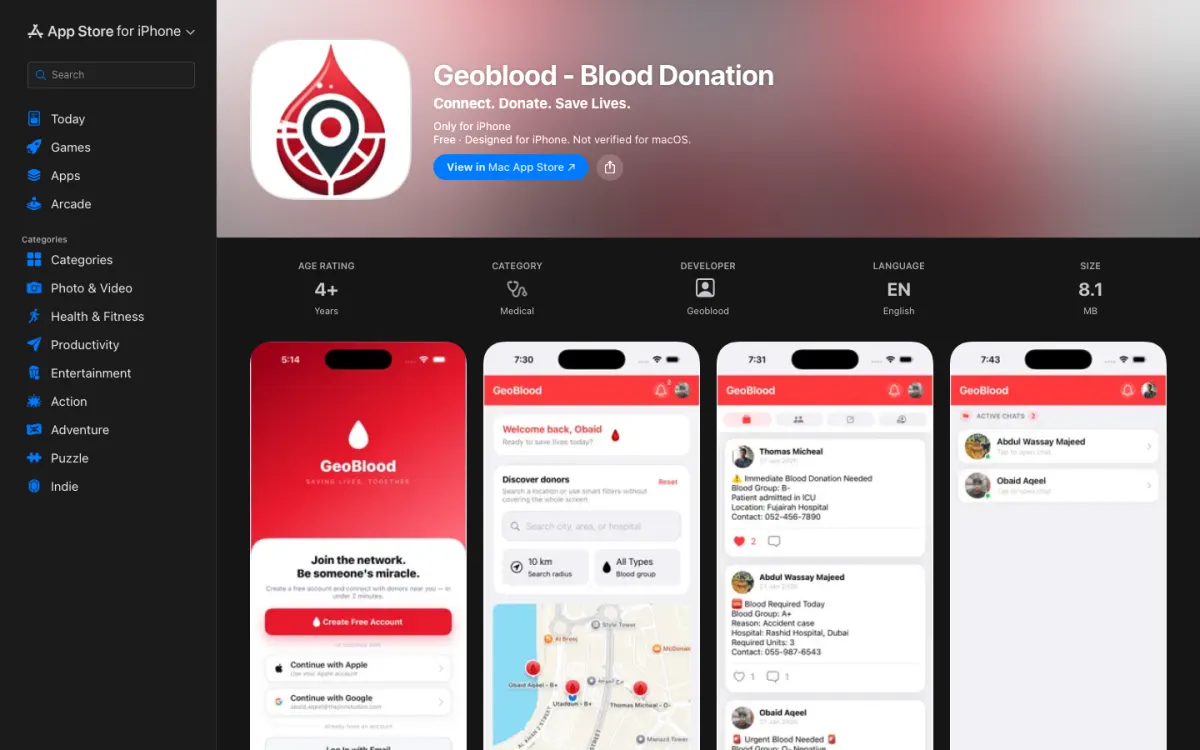
Mobile Product
GeoBlood App
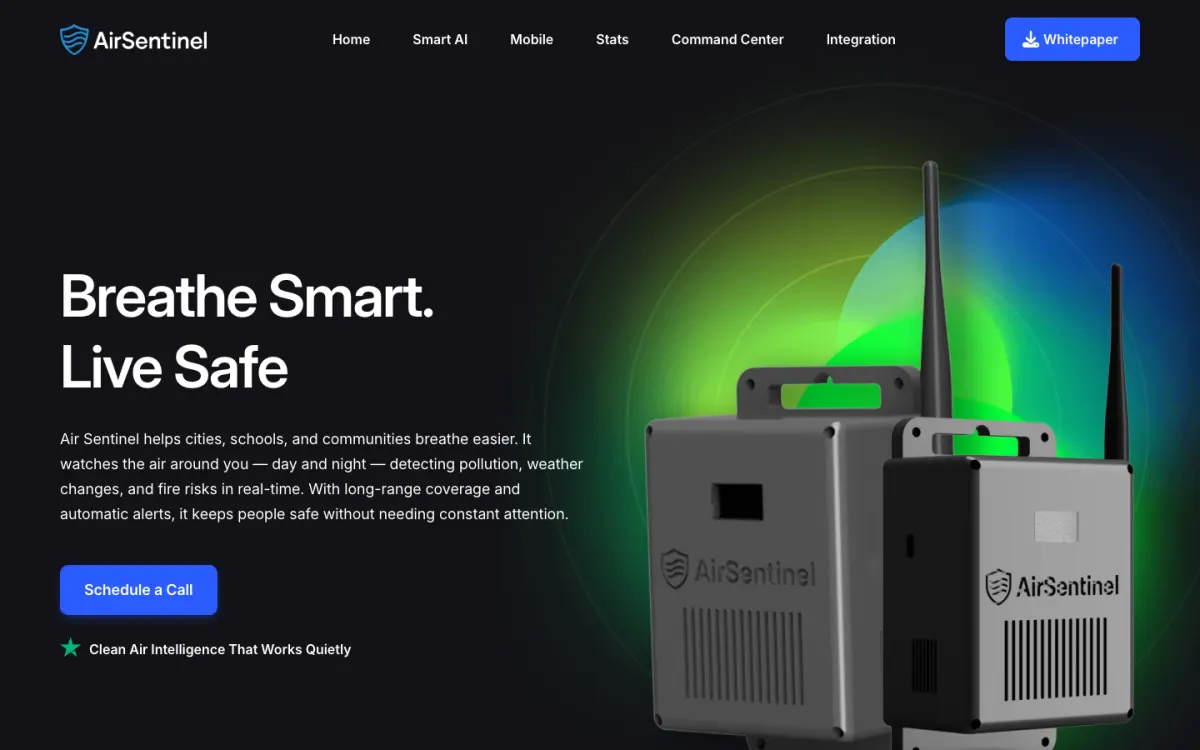

Air Monitoring
AirSentinel
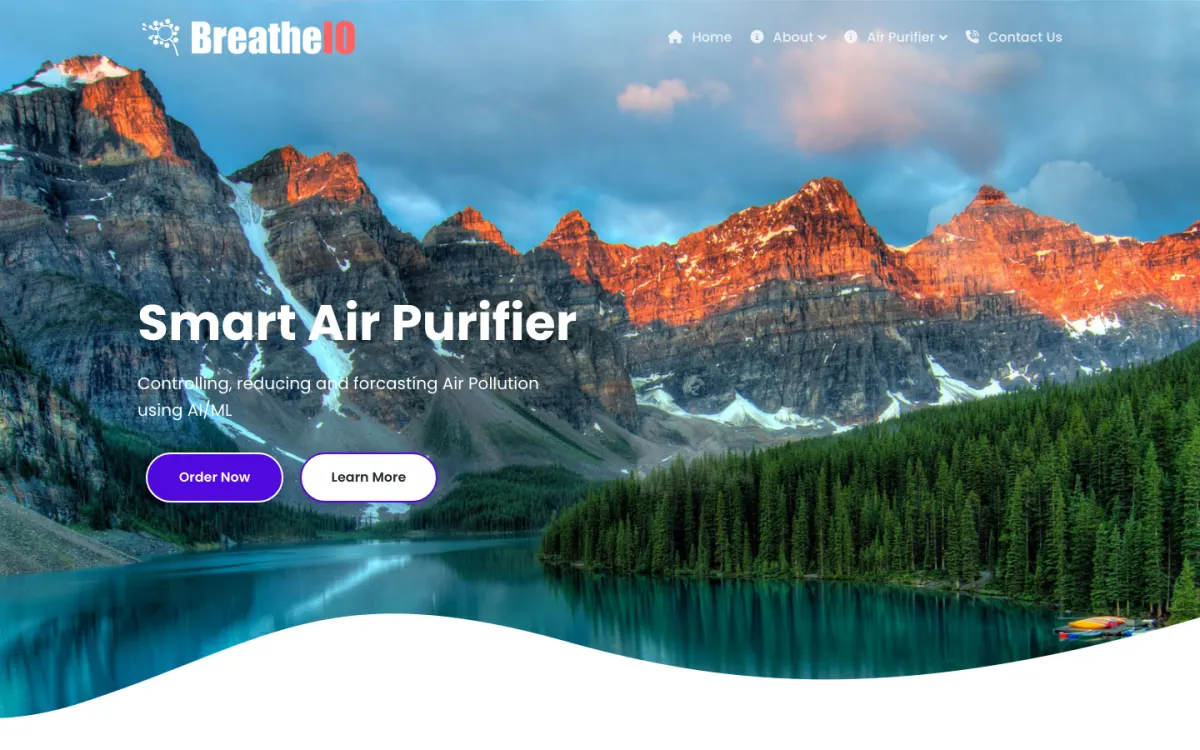

Environmental Tech
BreatheIO
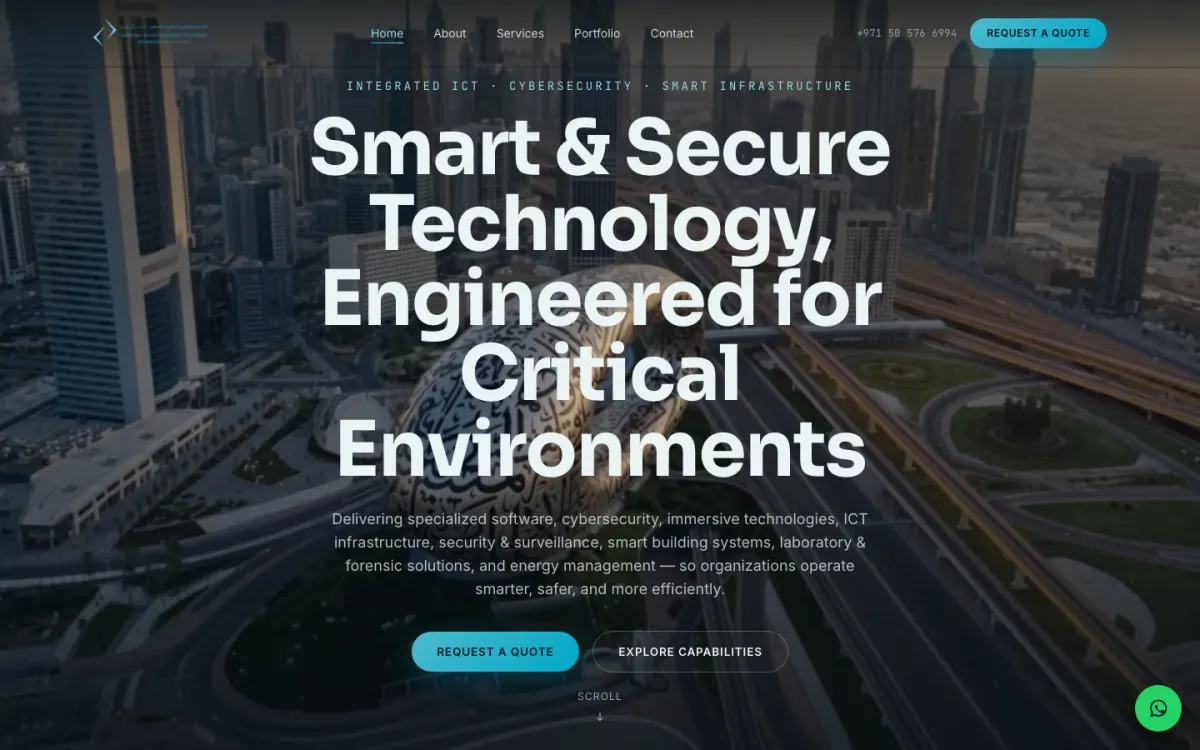

ICT / Security / Systems
Alebdaat
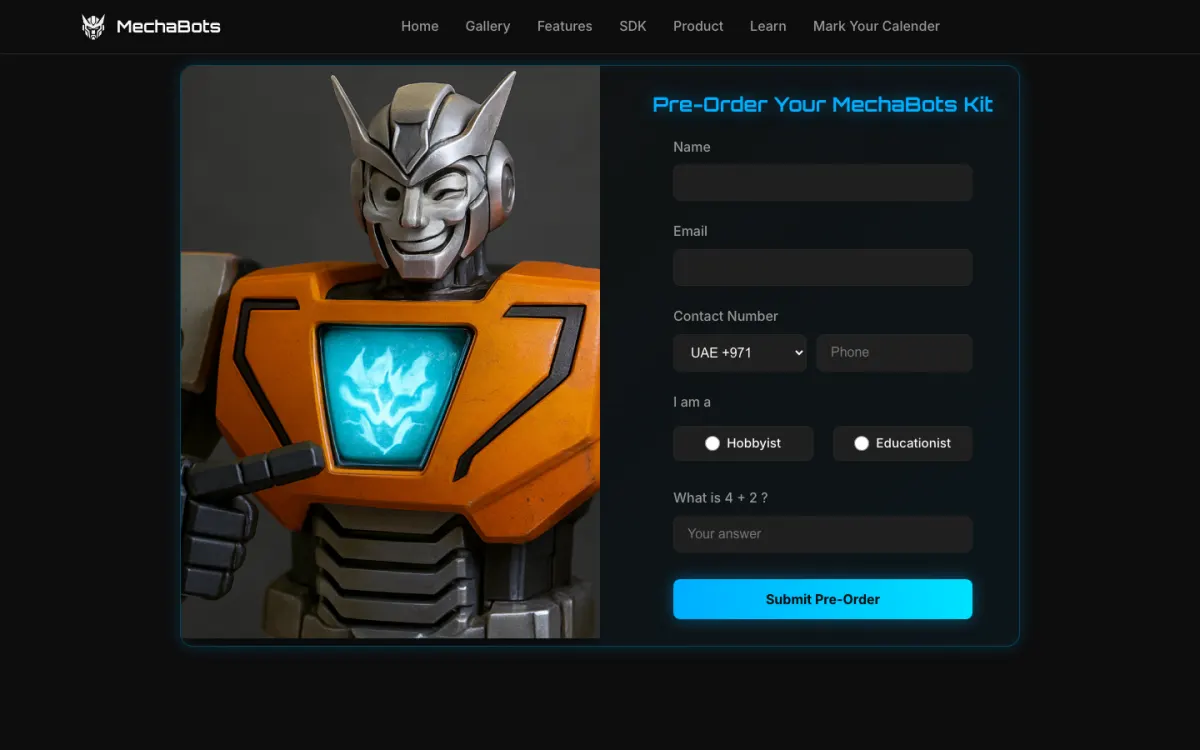

Robotics
MechaBots
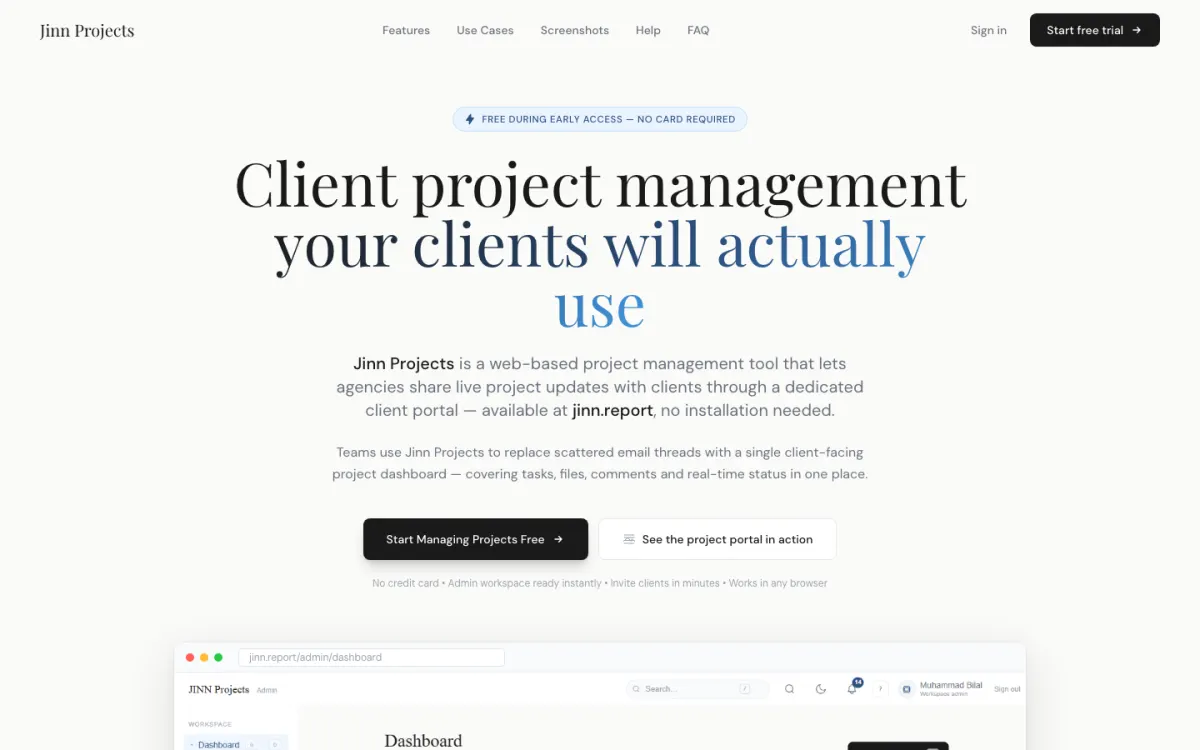

Client Project Workspace
Jinn Reports
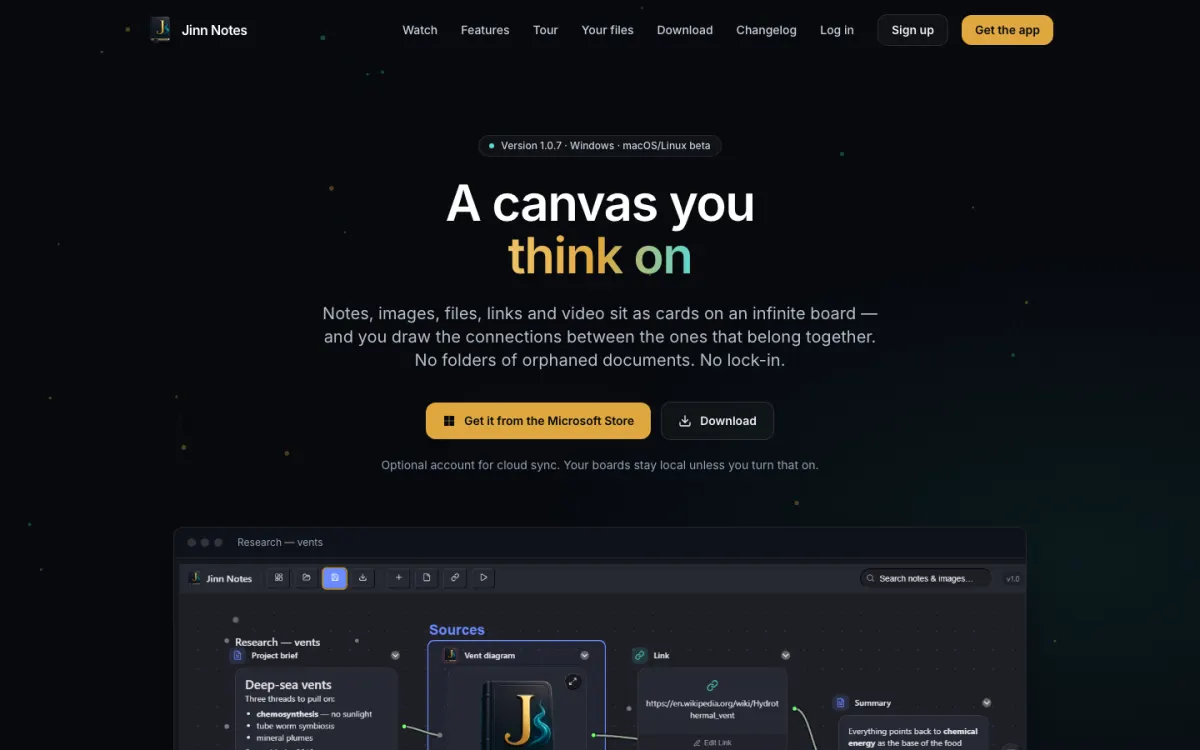

Visual Note-Taking
Jinn Notes
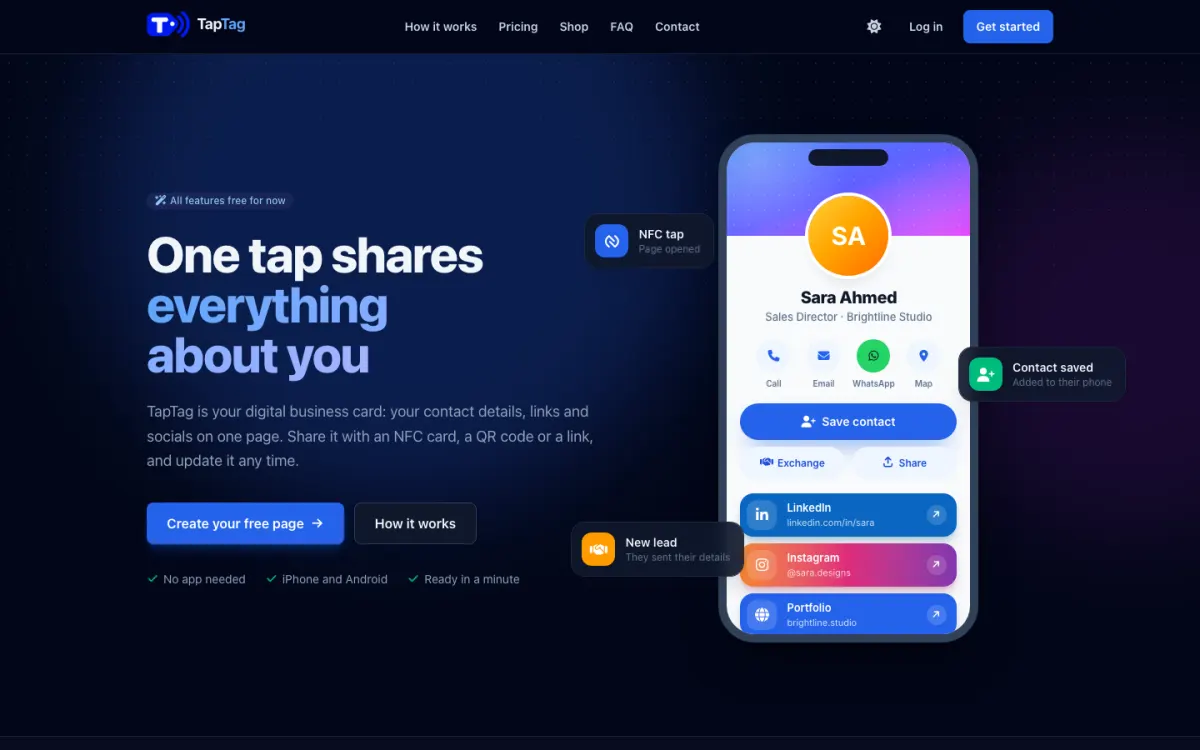

Digital Business Cards
TapTag
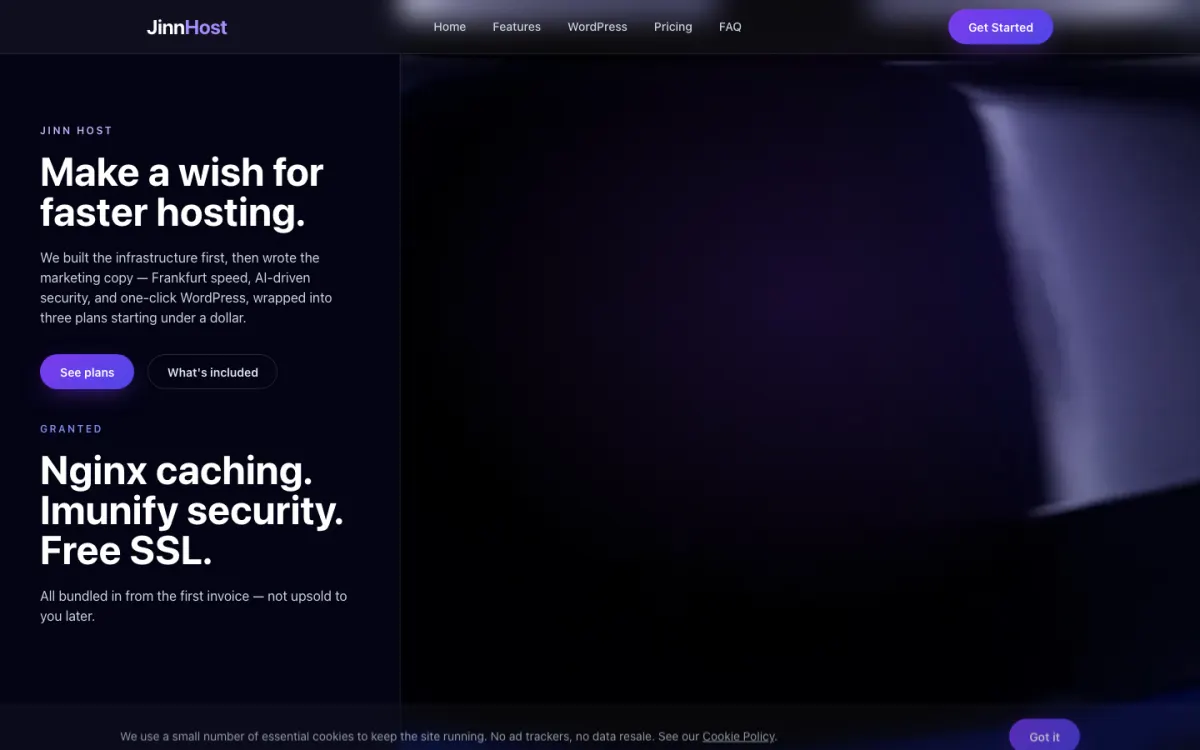

Hosting Infrastructure
JinnHost
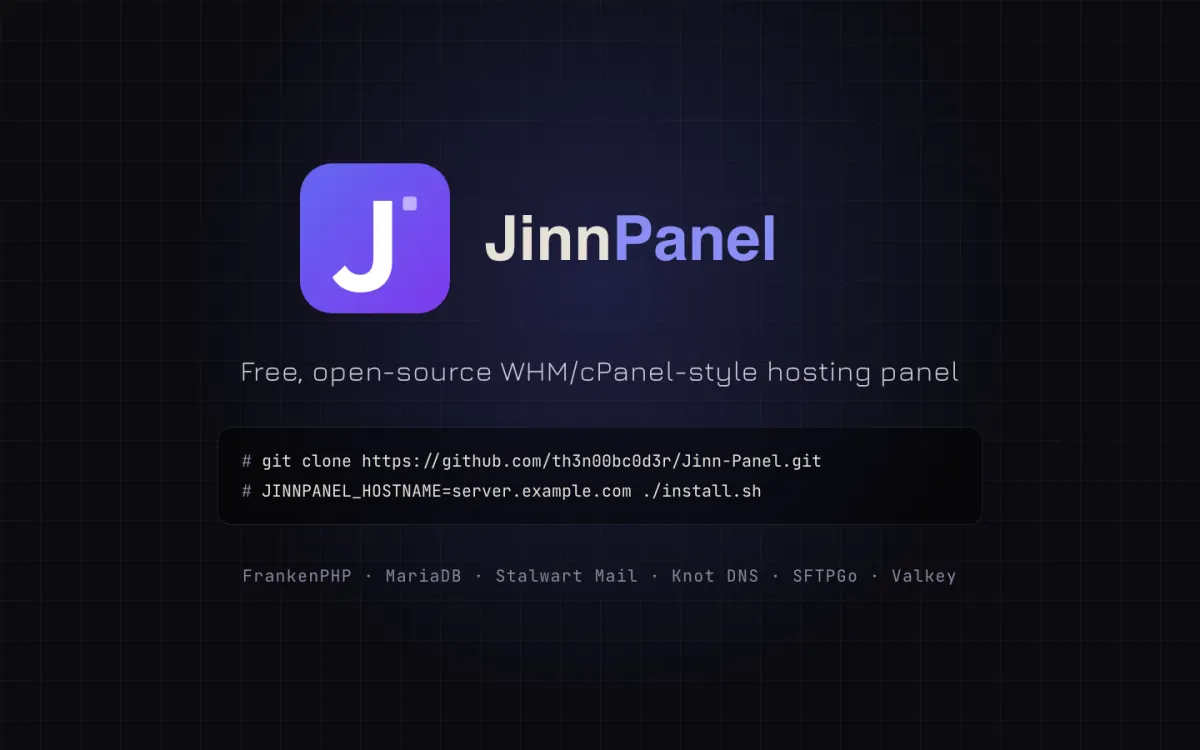
Open-Source Control Panel
Jinn Panel
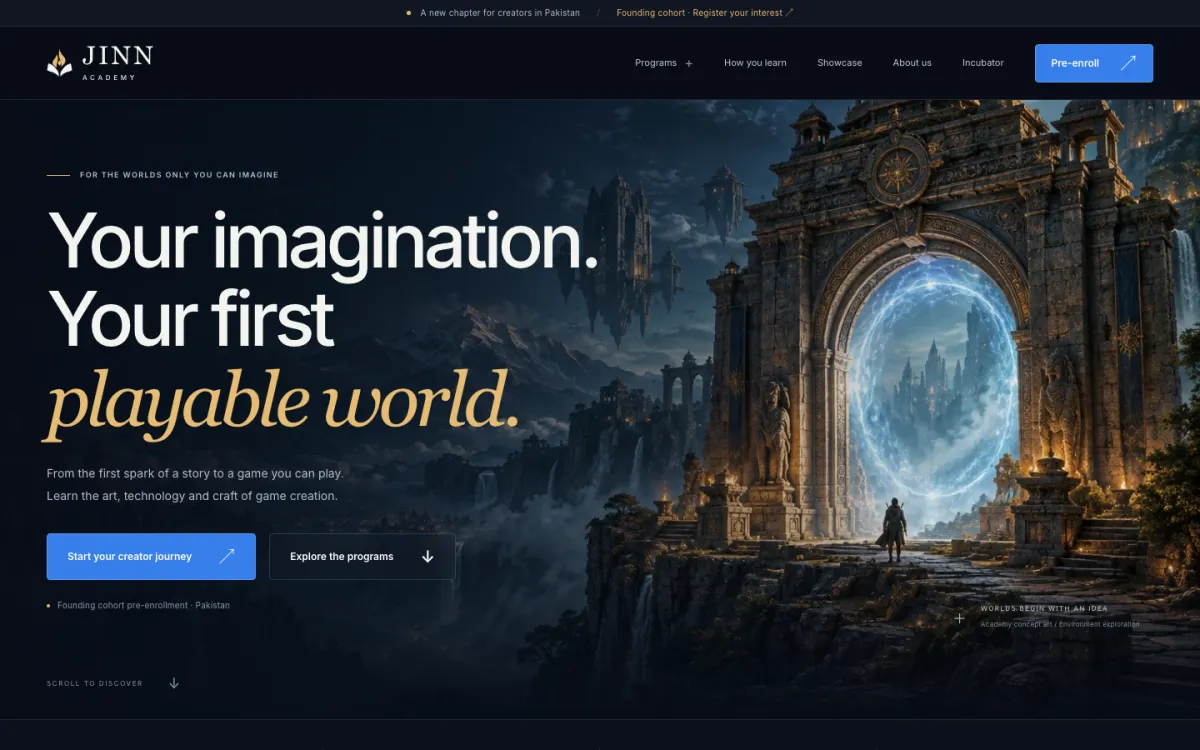

Game Development Academy
Jinn Academy
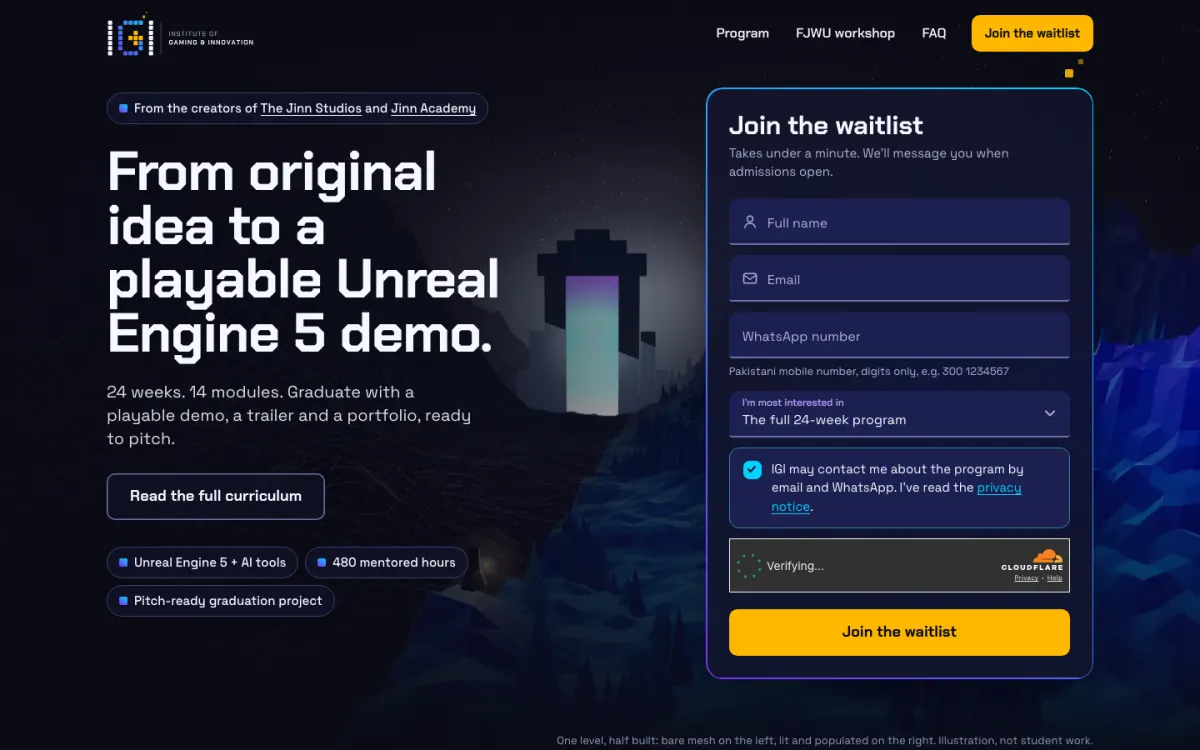

Unreal Engine 5 Program
IGI
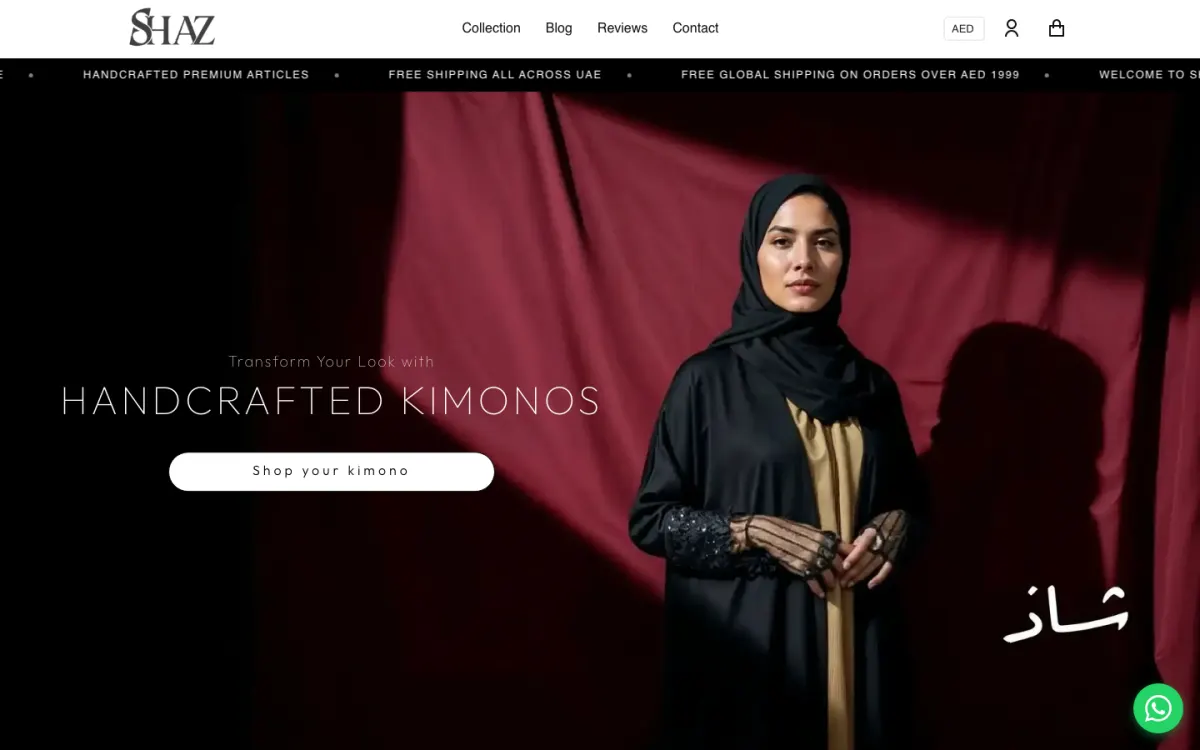

Luxury Commerce
SHAZ
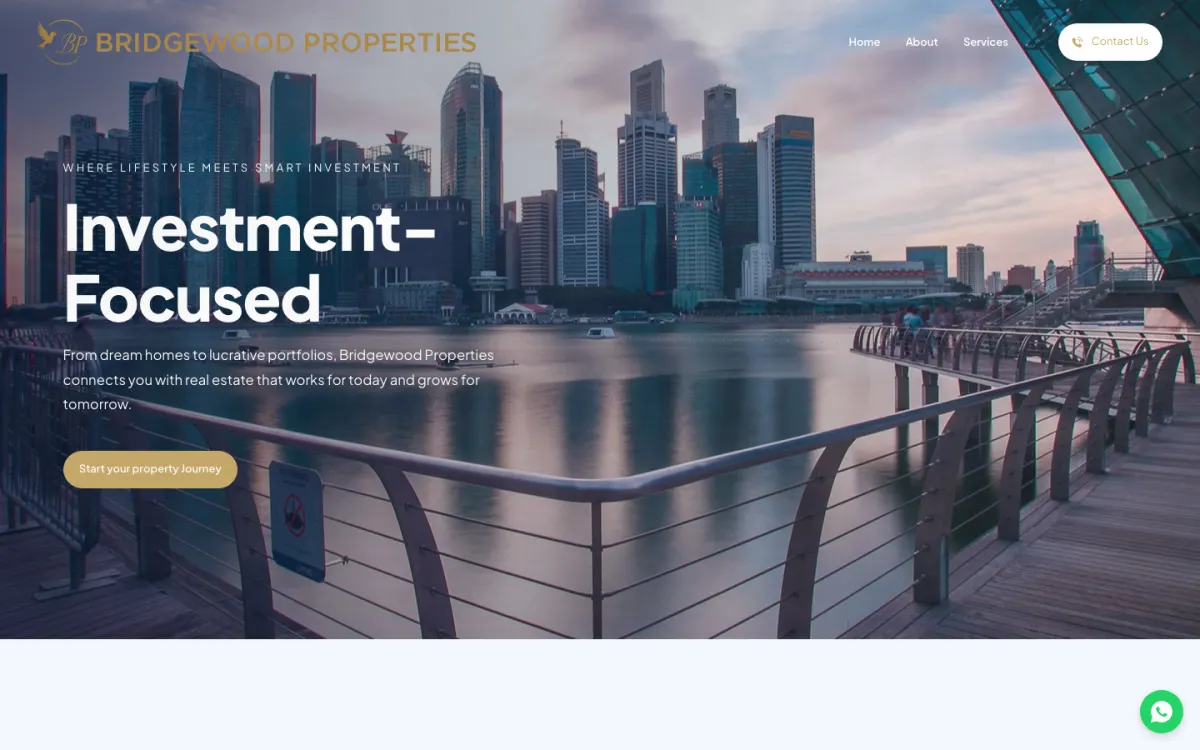

Property
Bridgewood
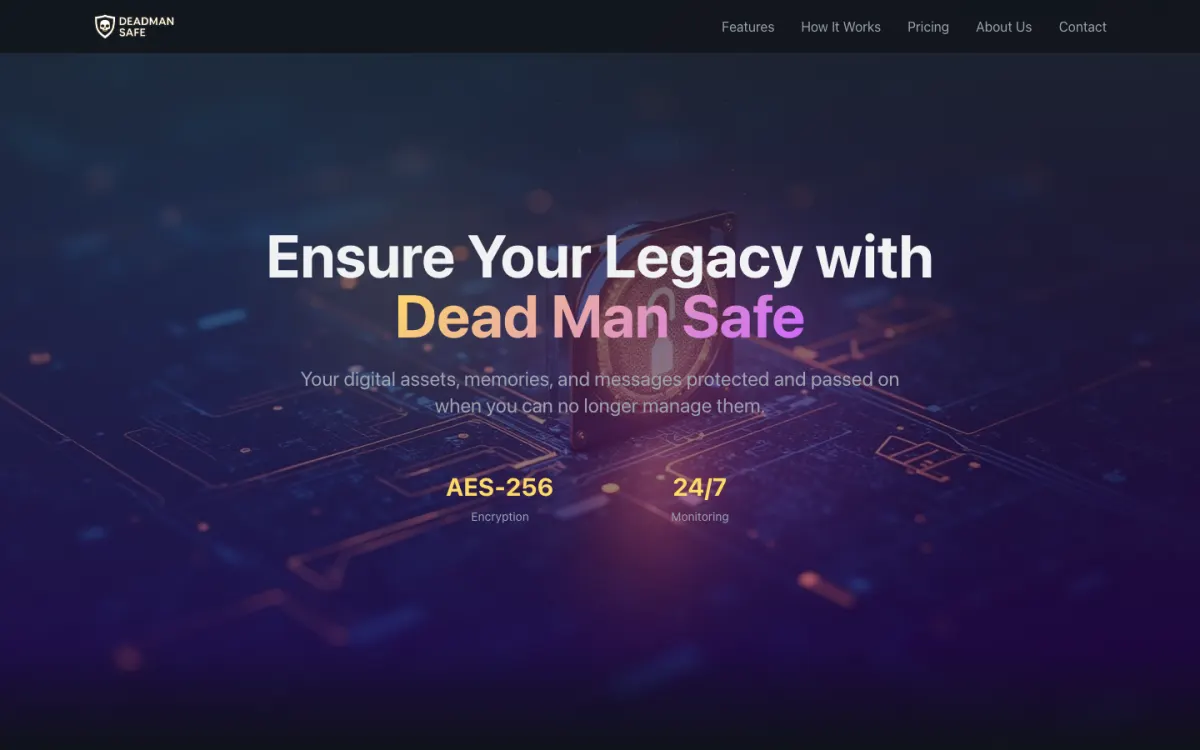

Digital Legacy
Dead Man Safe
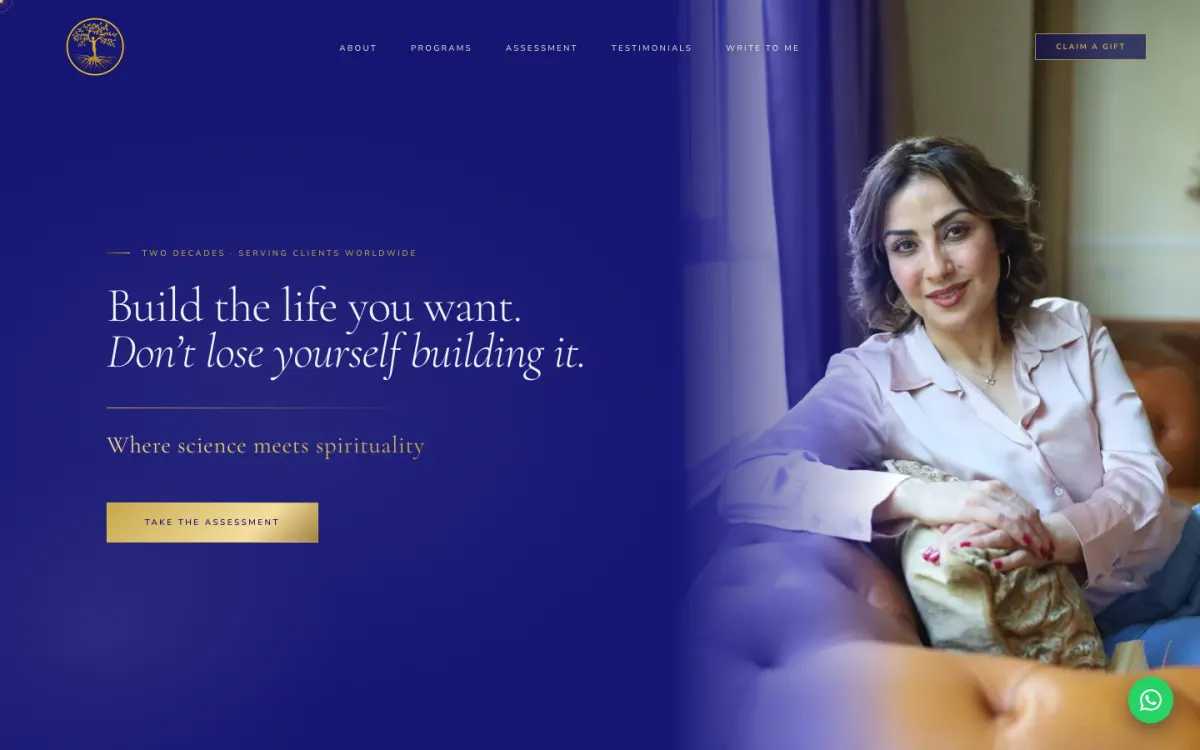

Personal Brand
Shorouk Al Abdallah
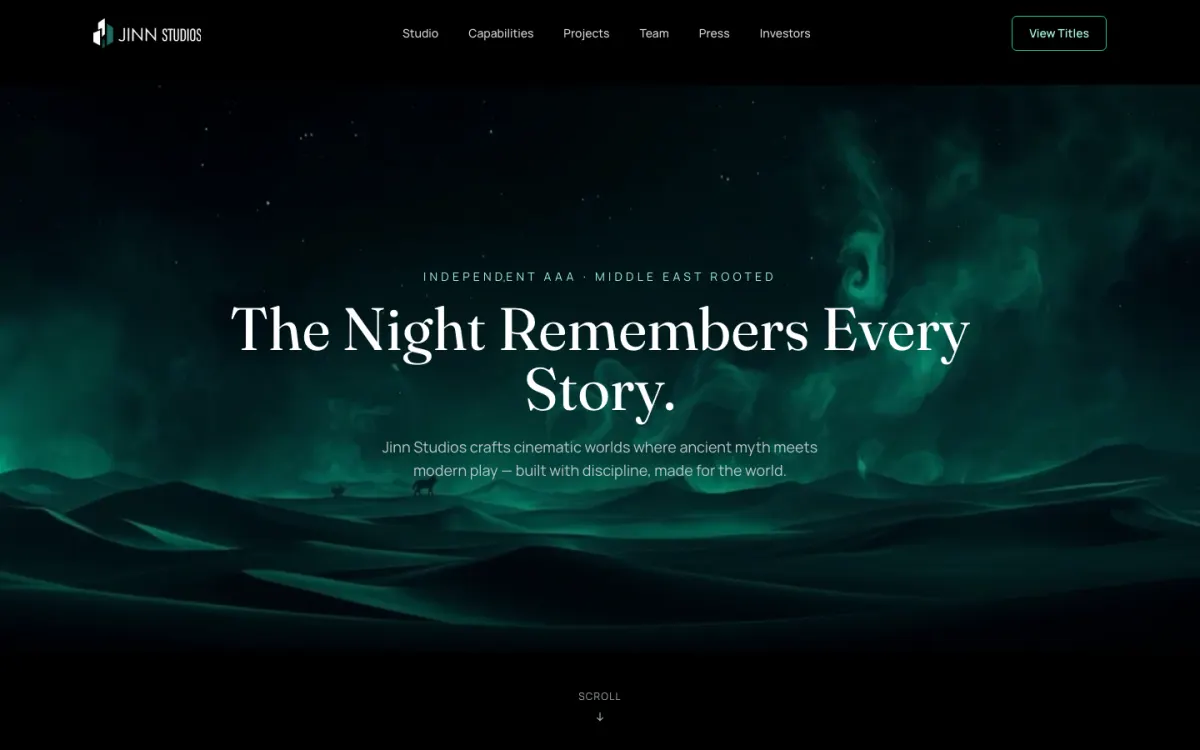

Studio
Jinn Studios
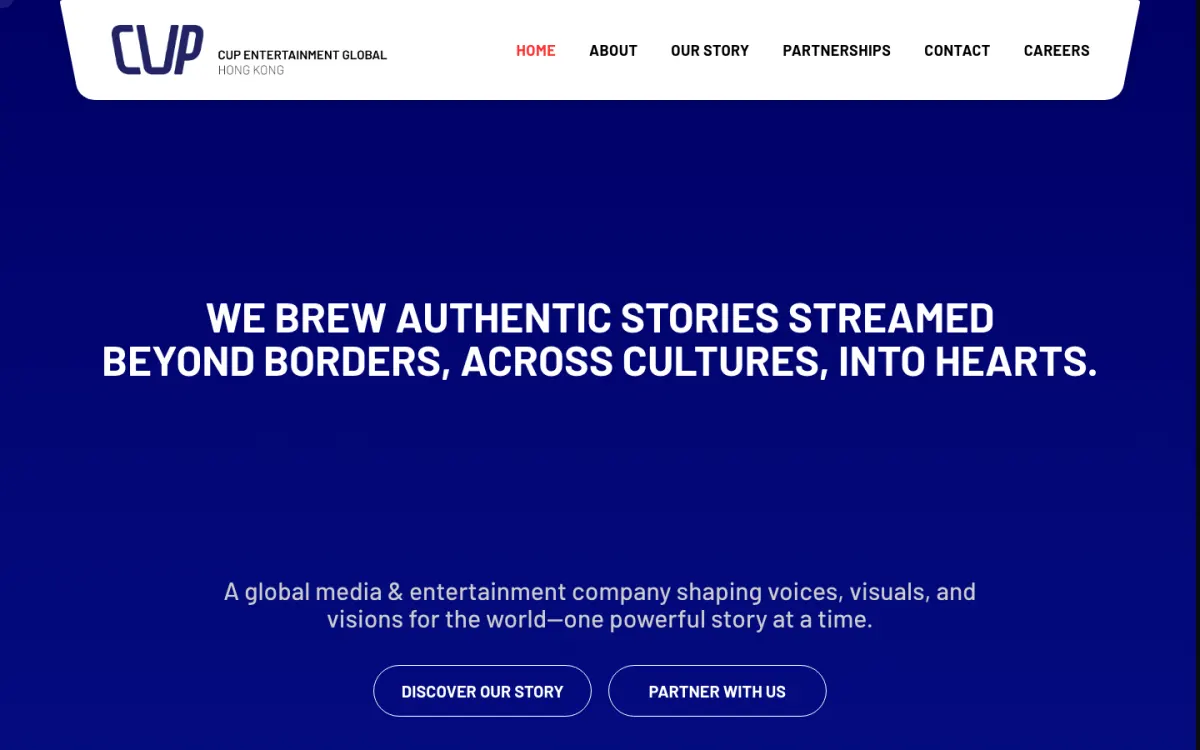

Entertainment
Cup Entertainment
Start a conversation
Ready to build a web application
that actually scales?
Tell us what you are building. We will tell you how we would approach it, what risks we see, and whether we are the right fit. No pitch, no pressure.
After you reach out
We respond within one business day with an initial read on your request and proposed next steps.
Discovery call
A 45-minute call to understand the system requirements, the constraints, and what good looks like for this project.
Proposal
A written proposal covering scope, architecture approach, timeline, and investment. No vague estimates.