Product & Platform · Jinn Systems
SaaS Development
Company
Building scalable SaaS platforms designed for growth is a system design problem, not a development one. Most SaaS products fail because the architecture was decided after the code was written.
Jinn Systems is a SaaS development company that designs platforms from the data model outward. Multi-tenancy, subscription infrastructure, and scaling strategy are decided before the first sprint starts.
Platform foundations
- Multi-tenant architecture designed before development begins
- Subscription and billing systems built into the core product
- Scaling strategy defined by architecture, not resolved by incident
Services · Product & Platform · SaaS Development
Why most SaaS products fail
Wrong architecture, not wrong execution.
The failure patterns in SaaS are predictable. One team builds a product with a single-tenant data model, gains traction, and then discovers that adding a second customer requires rewriting the core. Another team over-engineers a multi-region distributed system for a product with 50 users. Both are architecture failures, not development failures.
Overbuilding creates complexity you spend months maintaining instead of shipping. Underbuilding creates ceilings you hit at exactly the wrong moment — when you have customers waiting and no architectural headroom to move quickly.
SaaS product development is a system design problem first. The right architecture for a SaaS platform is not the same as the right architecture for a custom business application. The distinction is in the data model, the tenant isolation strategy, the subscription layer, and the assumptions built into every API endpoint.
The insight that changes everything
Build the platform, not just the product.
A SaaS platform is not a web application with a login page. It is a system that must serve many customers, manage their data in isolation, bill them correctly, and scale under their combined load — all while remaining maintainable enough for your team to ship new features without breaking what already works.
Our SaaS application development practice starts before the first line of code. We define the tenancy model, the billing architecture, the user and permission structure, and the API contract. These decisions shape every other choice in the build.
The product your customers see is the surface. The platform underneath is what determines whether it can grow.
90%
of SaaS scaling problems trace back to architectural decisions made in the first sprint
5–10x
cost to retrofit multi-tenancy into a single-tenant codebase after customers are live
01 — Tenancy first
Multi-tenancy is a data model decision, not a feature you add later. We define the isolation strategy before the schema is written.
02 — Billing is architecture
Subscription logic, usage tracking, and plan enforcement touch the entire stack. Building it as an afterthought creates technical debt on day one.
03 — Scale by design
We model your projected growth before choosing the stack. A platform built for 50 users and one built for 50,000 are structurally different from the start.
Who we work with
Built for founders who are building platforms.
Founders
Building a SaaS startup from a validated idea
You have a product concept that requires multi-user access, subscription billing, and a data model that can grow. You need it built correctly the first time, not rebuilt when you reach 500 customers.
MVP Development →Businesses
Launching an internal product as a commercial platform
You have a tool your business already uses and you want to open it to other companies as a SaaS product. The shift from single-tenant to multi-tenant is an architectural transformation, not a configuration change.
Architecture Design →Product Teams
Converting a legacy product into a modern SaaS platform
You have an existing product with a paying customer base and you need to modernise the architecture without losing what works. Incremental re-architecture done in the right order, not a full rewrite.
Software Consulting →Growth Stage
Scaling a SaaS product that has outgrown its foundation
You have users, you have revenue, and you have a codebase that was never designed for where you are now. Performance degrades, onboarding new enterprise clients is painful, and the team ships slowly. This is a solvable architecture problem.
Web Application Development →Scope of work
What we build.
SaaS Platforms
01Full SaaS platforms built for multiple customers: multi-tenant data architecture, user and organisation management, subscription tiers, onboarding flows, and the backend infrastructure to serve paying customers reliably at scale. Built to grow without a rewrite.
MVP SaaS Products
02First versions of SaaS products built to validate a market, not to be thrown away when you find it. We scope SaaS MVPs around the minimum architecture needed to serve real paying customers and extend cleanly into the full platform.
Scalable Backend Systems
03The backend is where SaaS platforms win or lose. We design the data layer, API contract, caching strategy, and infrastructure for SaaS systems that need to perform under growing concurrent load without becoming operationally expensive to maintain.
Custom SaaS Solutions
04SaaS platforms built around specific industry models: vertical SaaS for a single sector, workflow-heavy platforms with complex permission structures, or data-intensive products requiring purpose-built query and reporting layers. Not a template, a system.
The architecture layer
What makes SaaS architecturally different.
Multi-Tenancy
SaaS platforms serve multiple customers from the same infrastructure. Each customer's data must be isolated — logically or physically — while remaining on a shared application layer. The isolation model affects every query, every API endpoint, and every background job in the system. It cannot be added after the fact without restructuring the database and much of the application layer.
Subscription Systems
Subscription billing is not a payment form. It is a system that tracks plan entitlements, enforces feature access, manages trials and upgrades, handles failed payments, and generates accurate invoices across different billing periods. Every feature in the product needs to know whether the current tenant's plan includes it. This touches authentication, UI rendering, and backend logic simultaneously.
User Management
SaaS products do not have single users — they have organisations, each with multiple users, roles, and permission hierarchies. A user might be an admin in one tenant and a read-only member in another. Invitation flows, SSO integrations, audit logging, and session management must all understand the tenancy context. Standard authentication libraries do not provide this out of the box.
Scaling Complexity
A SaaS platform scales along two axes simultaneously: more tenants, and more activity per tenant. Database query patterns that perform well at 10 tenants often degrade significantly at 500 because the query planner behaves differently under combined data volume. Scaling a SaaS platform requires understanding both axes before choosing the indexing strategy, the caching layer, and the infrastructure topology.
Long-Term Architecture
SaaS platforms are long-lived systems. The decisions made at launch about data modeling, API versioning, and tenant structure are still present in the codebase three years later — either as solid foundations or as the source of every slowdown, every escalation, and every painful migration. The cost of early architectural decisions is amortised over the entire lifecycle of the product.
Operational Onboarding
Every new customer on a SaaS platform is an onboarding event that should require zero engineering work. Tenant provisioning, data initialisation, default configuration, and billing setup should all be automated. When they are not, the cost of onboarding each new customer grows with the business and becomes a constraint on growth rather than a sign of it.
System design
Core SaaS architecture decisions.
Single-Tenant vs Multi-Tenant
Single-tenant deploys a separate instance per customer: maximum isolation, simpler compliance, but high operational cost at scale. Multi-tenant shares one instance across customers: lower infrastructure cost, more complex data isolation, but the only viable model for SaaS products with many customers.
Within multi-tenancy, the choice between shared schema with row-level security, separate schema per tenant, and separate database per tenant each carries different tradeoffs in cost, query performance, compliance suitability, and migration complexity. The right answer depends on your customer profile, data volume, and compliance requirements.
Database Design
The SaaS data model is harder than the application model. Every table that holds tenant data needs a tenant identifier. Every query needs to filter by it. Indexes must account for combined tenant data, not just single-tenant volumes. Reporting queries that cross tenant boundaries (for platform analytics, not customer data) need their own access patterns.
We design the schema with tenancy, growth, and query patterns in mind simultaneously. That is the only way to avoid index rebuilds and schema migrations at the worst possible moment: when customers are waiting.
API Architecture
A SaaS platform API must be tenant-aware at every endpoint. Authentication tokens must carry tenant context. Rate limiting must operate at the tenant level, not just the user level. Webhook deliveries must be scoped correctly. API versioning must account for the fact that different enterprise customers may be on different contract versions of the product.
We define the API contract before the first sprint. Changes to this contract after customers have integrated against it are expensive. The design phase is the right time to make these decisions, not after the first enterprise customer signs.
Billing Systems
Billing in SaaS is a domain of its own. Subscription management, plan enforcement, usage-based billing, trial periods, proration on plan upgrades, invoice generation, failed payment recovery, and refund handling all interact with each other and with the rest of the product in non-obvious ways.
We integrate proven billing infrastructure (Stripe, Paddle) correctly — not by wrapping the API but by building the billing domain properly in your product, with the subscription state driving feature access across the entire application rather than being a siloed checkout flow.
Scaling Strategy
We model the projected growth curve before designing the infrastructure topology. A SaaS platform expecting 1,000 tenants at 50 concurrent users each has very different database and caching requirements than one expecting 50 tenants at 5,000 concurrent users each — even if the total request volume is similar.
Horizontal scaling, read replicas, connection pooling, query caching, and background job isolation are all tools with costs. The right combination is determined by the load profile, not by applying all of them to every project regardless of need.
Want the architecture reviewed before you build?
We offer architecture review engagements for SaaS products in planning or in early development. A structured review of the tenancy model, data design, and API contract before the first sprint can prevent the architectural decisions that cause the most pain at scale.
Software Consulting Services →From the field
SaaS platforms we have built and scaled.
Case Study 01
GeoBlood
Real-time donor matching platform
The situation
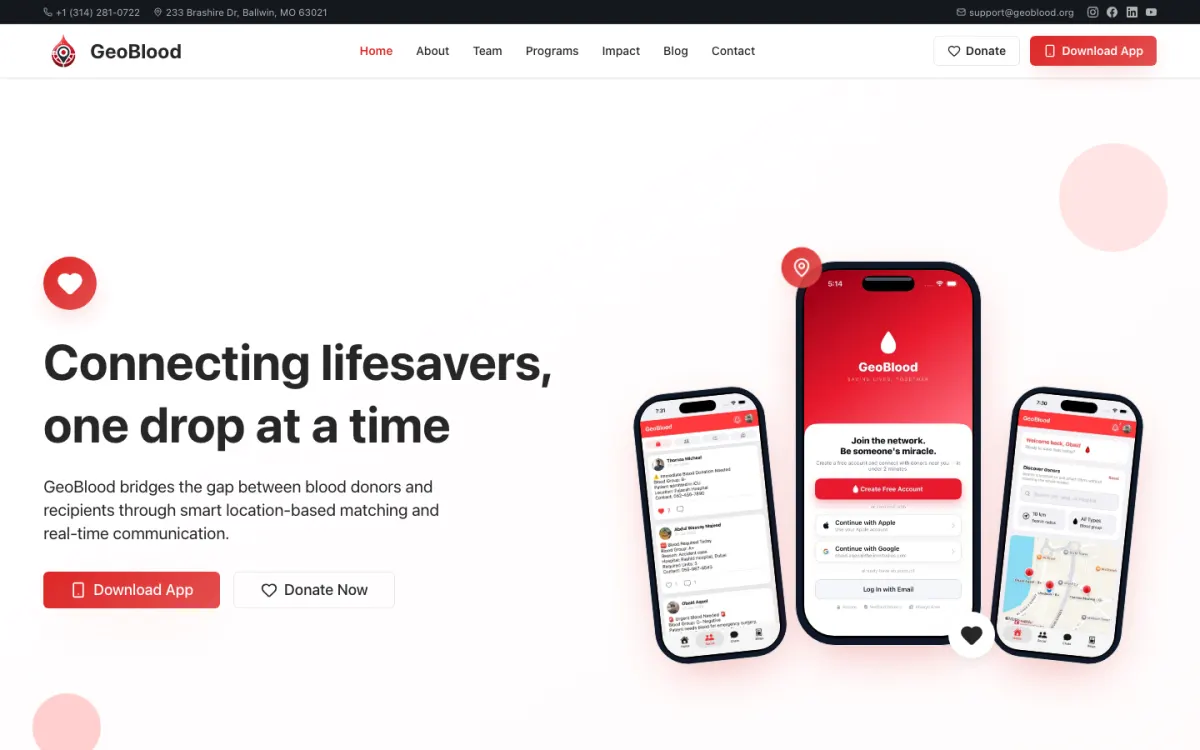
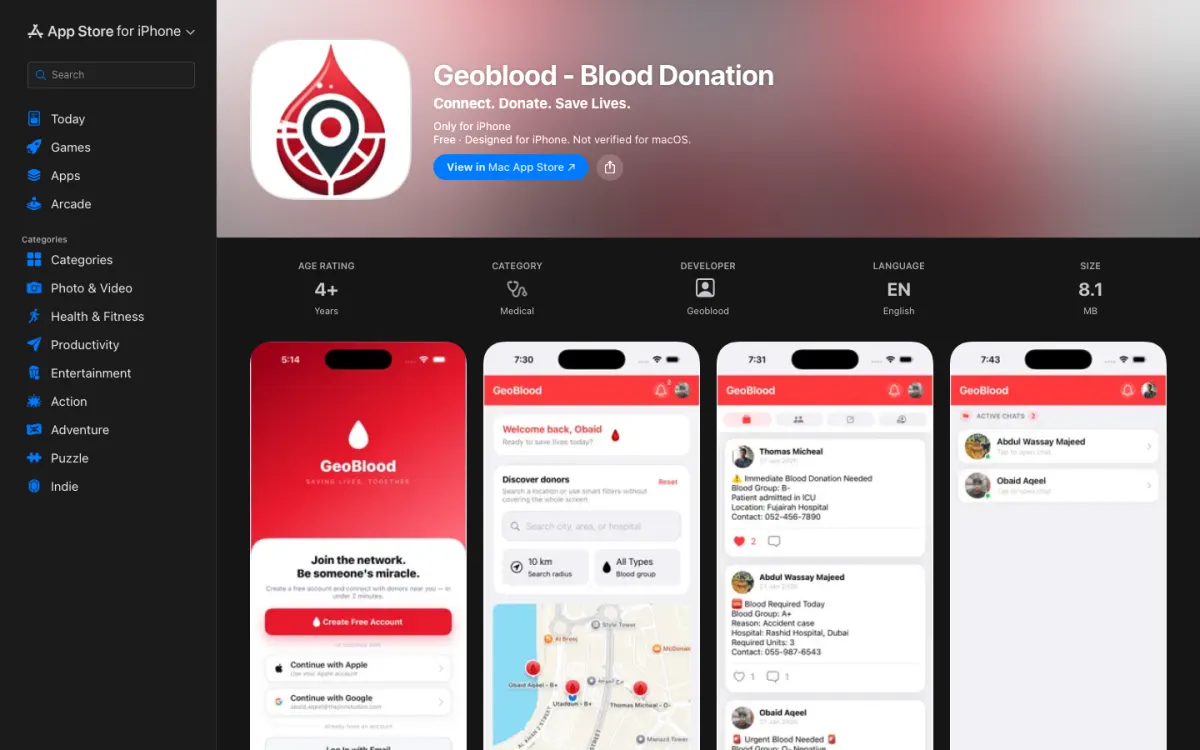
GeoBlood is a real-time blood donor matching platform that connects donors to patients based on blood type and geographic proximity. The core requirement was sub-second query performance across a growing donor registry, with the system needing to handle concurrent matching requests during high-demand periods — emergencies do not queue.
Architectural approach
We designed a location-indexed data structure using geospatial query patterns, implemented an event-driven matching pipeline that processes donor requests asynchronously, and added a caching layer at the query level for high-frequency blood type and proximity combinations. The matching algorithm was separated from the request layer so it could scale independently under load.
Outcomes
Matching query response time below 2 seconds for 95% of requests. The platform architecture handles concurrent load spikes without degradation. The registry structure is designed for horizontal scaling as the donor base expands across regions, with no schema changes required to add new geographic coverage.
<2s
Match query response
95%
Requests within target
0
Schema changes to scale
Case Study 02
PropFlow SaaS
Real estate operations platform
The situation
PropFlow was originally built as a single-tenant internal tool for one real estate agency. When the team decided to open it to multiple agencies as a SaaS product, data isolation was embedded in every query. The migration path to multi-tenancy required rethinking the entire data model, not just adding a tenant ID column.
Architectural approach
We designed a tenant-scoped data architecture using row-level security, introduced an organisation model that wrapped all existing entities, and migrated the production dataset in phases without service interruption. The subscription and billing layer was added in parallel with the tenancy migration, not after.
3
Agencies onboarded in 6 wks
12
Orgs on same architecture
0
Downtime during migration
Case Study 03
MediSync SaaS
Healthcare operations platform
The situation
MediSync was running on a single-database architecture that could not meet the data isolation requirements of different hospital networks. Each new enterprise client required 3 or more days of manual data segregation work before they could go live. The compliance requirements were tightening as the customer profile moved upmarket.
Architectural approach
We re-architected to a schema-per-tenant model with fully automated provisioning, added an audit logging layer meeting healthcare compliance standards, and rebuilt the API contract with versioned endpoints. Each new tenant is provisioned by an automated pipeline that requires no engineering intervention.
3 days
to 4 hrs — onboarding time
2
Enterprise hospital networks
0
Migration incidents
Our process
How we build SaaS products.
01
Product Validation
Before architecture, we validate the product assumptions. Who are the tenants, what do they need, what is the pricing model, and what does the data need to look like? Building on unvalidated assumptions is how good architecture ends up serving the wrong product.
Consulting Services →02
Architecture Design
We define the tenancy model, data schema, API contract, billing system design, and infrastructure topology. Every architectural decision that is hard to change later is made here, in writing, before development begins.
Architecture Design →03
MVP Development
The MVP is scoped to the minimum set of features that can serve real paying customers on the platform we have designed. Not the minimum possible code, but the minimum viable commercial product. The architecture supports the full platform from day one.
MVP Development →04
Full Development
Iterative development against the architecture document. Feature additions follow the established patterns. API contracts are maintained. The schema evolves through managed migrations. The codebase stays navigable for the team that will maintain it after we are done.
05
Scaling
When the platform grows, the scaling work is planned, not reactive. We monitor the load patterns that were anticipated in the architecture phase, and we execute the scaling measures that were already designed — read replicas, caching layers, background job isolation — at the right time, not in an incident.
Location
SaaS development
in the UAE.
SaaS adoption in the UAE is accelerating. Businesses across real estate, logistics, healthcare, fintech, and government services are moving away from on-premise software and legacy ERPs toward cloud-based platforms with subscription access. The market is real, the opportunity is significant, and the technical standards required to serve it are not being met by most development companies in the region.
The most common mistake UAE-based SaaS founders make is treating the build phase as a web development project rather than a platform engineering project. A team that builds websites does not have the architectural vocabulary for multi-tenant data isolation, subscription lifecycle management, or SaaS-specific scaling concerns. The result is a product that works in demos and falls apart under real conditions.
Jinn Systems is headquartered in Sharjah and has built SaaS platforms for UAE-based businesses with requirements specific to the region: Arabic language support, UAE payment gateway integrations, compliance with local data residency regulations, and integration with government digital service APIs.
Headquarters
Sharjah, UAE
UTC+4 (GST)
Regional expertise
UAE compliance & integrations
Payment gateways, data residency
Languages
English & Arabic
RTL SaaS UI support
Clients
UAE & global founders
Remote-first delivery
Platform evolution
From SaaS product to scaled platform.
SaaS platforms do not stay the same. The product that launches with 10 customers is not the product that serves 500. The features that differentiate at MVP are table stakes at scale. The data model that made sense for a single market vertical starts to strain when you expand into three.
Every SaaS platform follows a recognisable evolution: MVP validates the model, early growth proves it, product-market fit demands faster shipping, enterprise traction requires compliance and SSO, and international expansion requires multi-region infrastructure. Each stage creates pressure on decisions made in the one before it.
The difference between platforms that scale cleanly and ones that accumulate years of technical debt is whether the early architecture was built with the evolution in mind. Not over-engineered for every possible future, but designed with the structural flexibility to grow without rebuilding from scratch at each stage.
When we build a SaaS product, we design the architecture to support the first three stages of growth without structural changes. The data model accommodates the tenant volume you expect to reach. The API is versioned from the start. The billing system supports the plan structure you will need at the enterprise tier, not just the tier you are launching with.
When an existing SaaS platform needs to evolve — whether that means adding enterprise features, migrating to multi-tenancy, or redesigning the API layer for a mobile product — we approach it as a series of incremental architectural upgrades. Each change is planned, tested, and deployed without disrupting the customers already on the platform.
Building the right SaaS product is a starting point. Building a platform that your business can grow on for the next five years requires a different kind of thinking from the first commit.
Stage 01
MVP
Core tenancy model, basic subscription tier, the minimum feature set to serve paying customers. Architecture supports growth; product scope does not.
Stage 02
Product-Market Fit
Feature expansion on established architecture. Performance tuning as load grows. Billing complexity increases with customer requests for plan variations.
Stage 03
Enterprise
SSO, audit logs, data export, SLAs, and compliance requirements. The API contract matters now — enterprise customers have integrated against it.
Stage 04
Scale
Multi-region deployment, high availability infrastructure, database sharding decisions, and platform APIs for ecosystem integrations. Built on the foundation laid at Stage 01.
Recent work
Systems we have shipped


Multi-Brand Group
ETS Group

Health Platform
GeoBlood
Mobile Product
GeoBlood App

Air Monitoring
AirSentinel
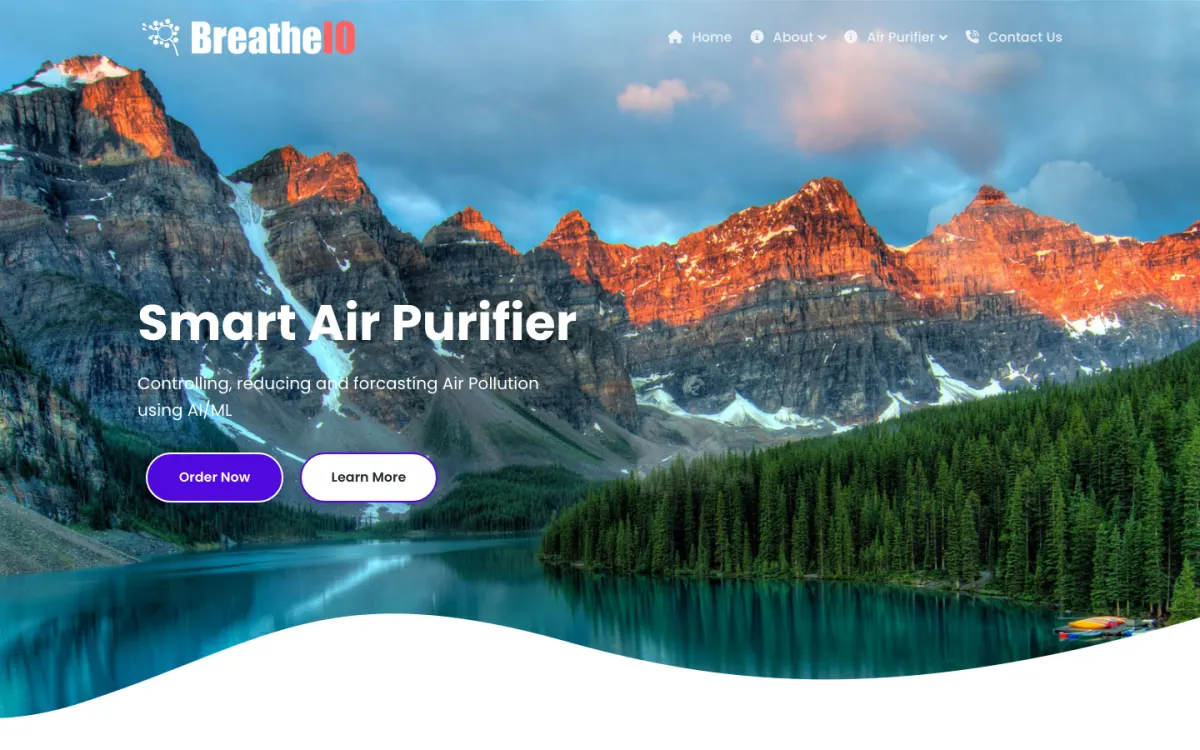

Environmental Tech
BreatheIO
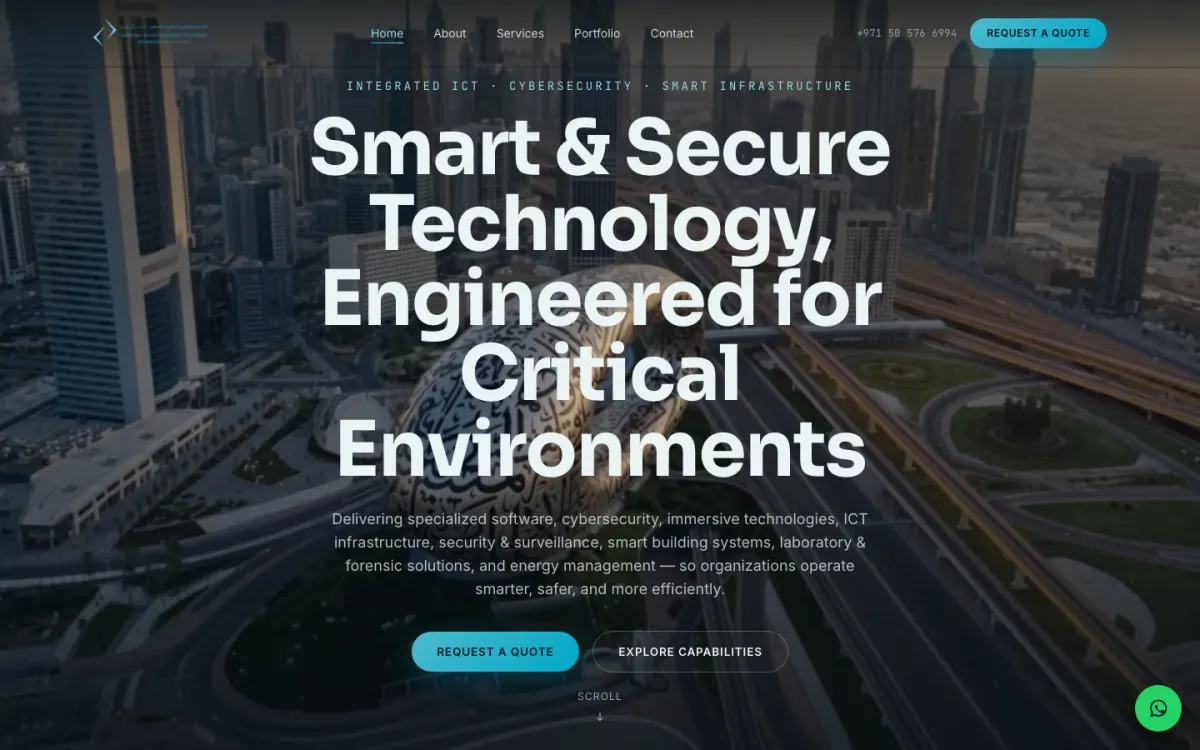

ICT / Security / Systems
Alebdaat
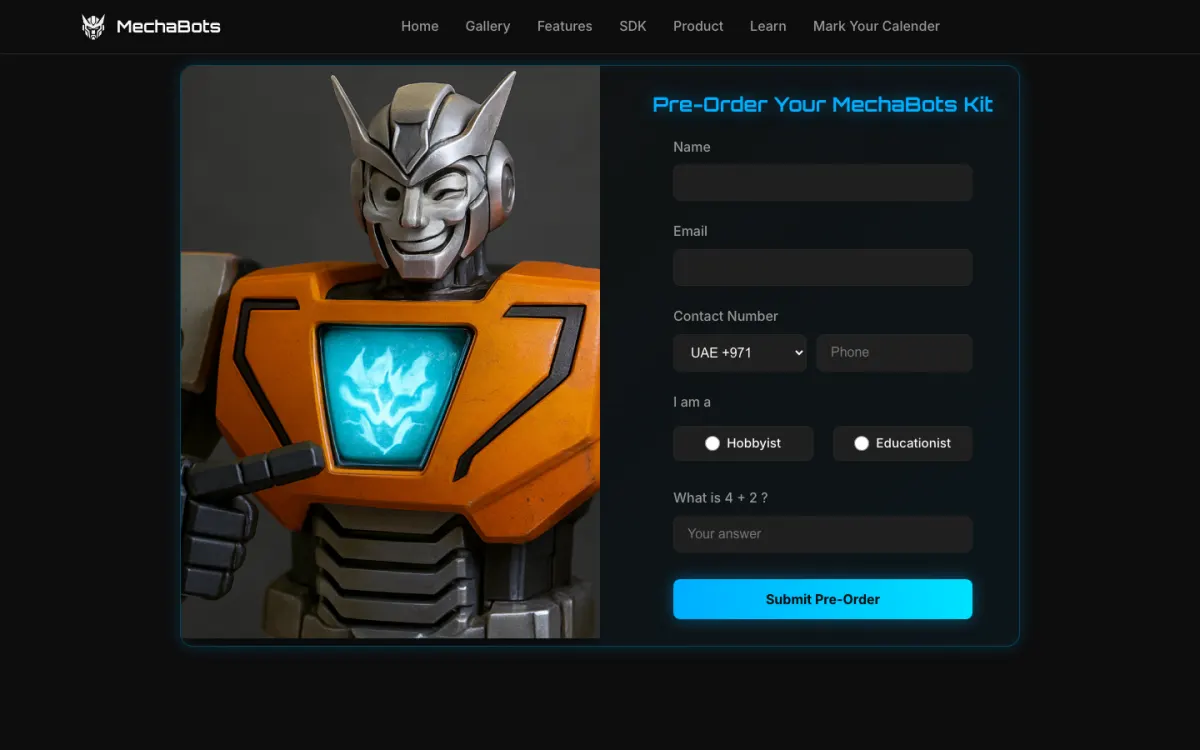

Robotics
MechaBots
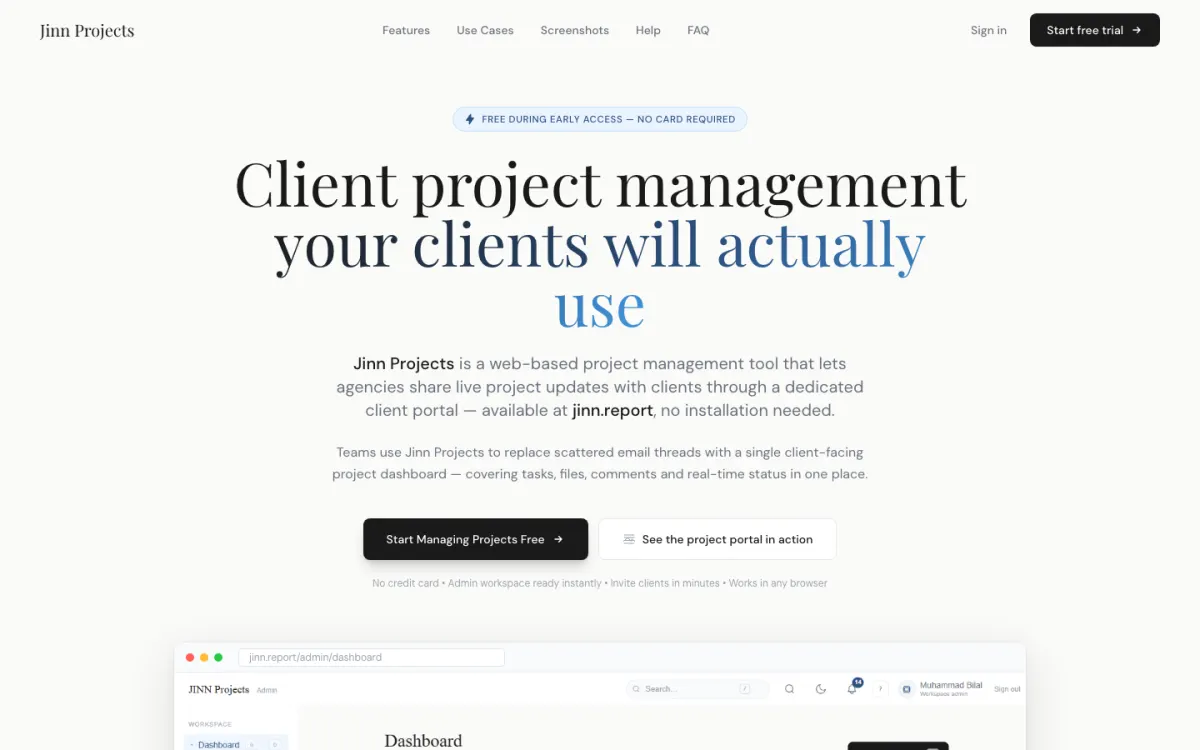

Client Project Workspace
Jinn Reports
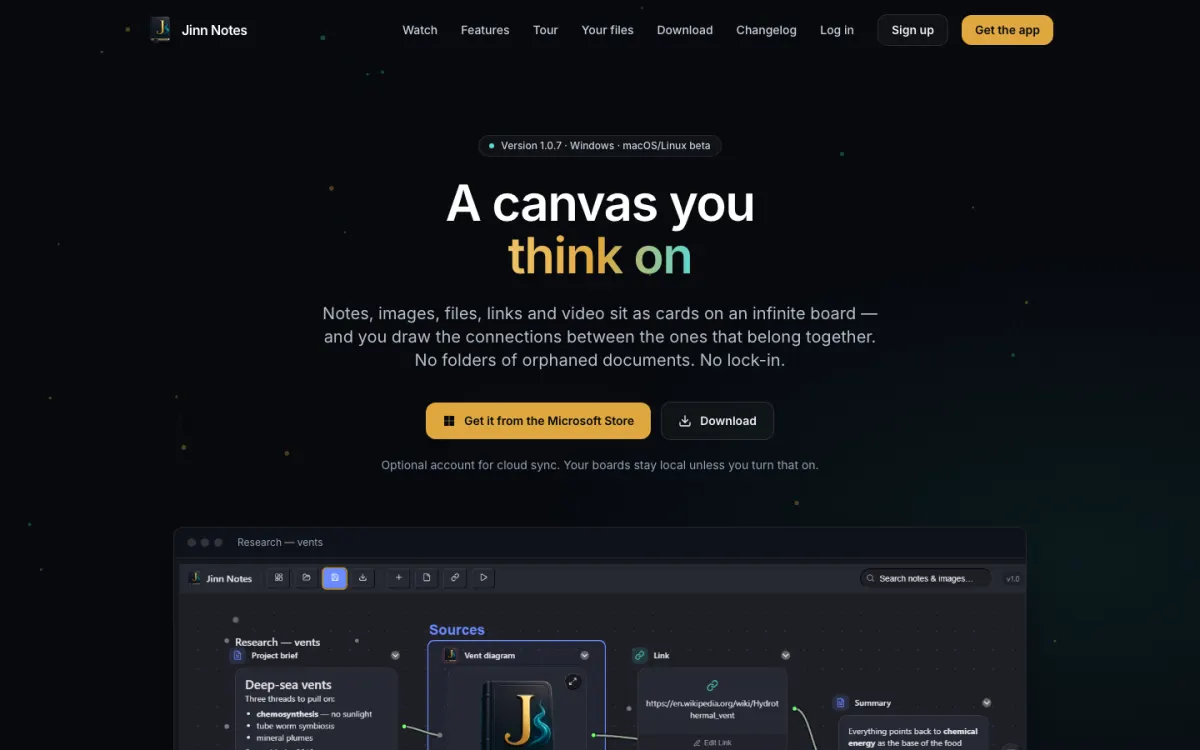

Visual Note-Taking
Jinn Notes
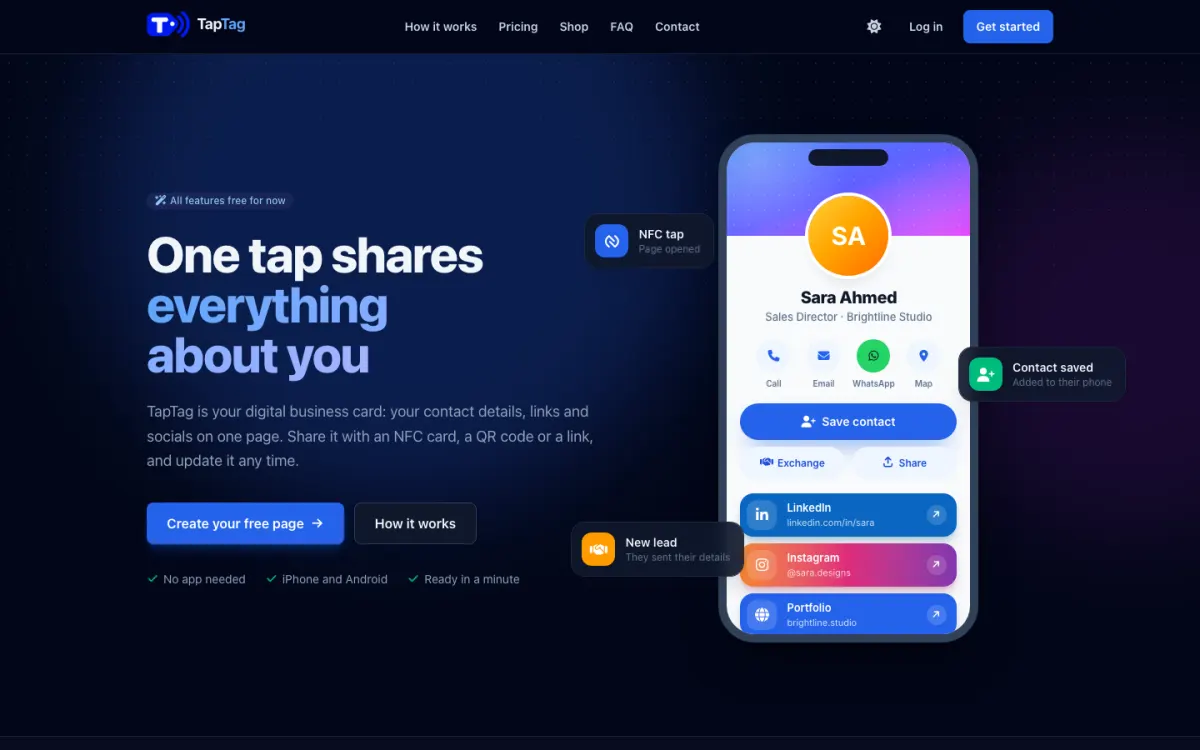

Digital Business Cards
TapTag

Hosting Infrastructure
JinnHost
Open-Source Control Panel
Jinn Panel


Game Development Academy
Jinn Academy
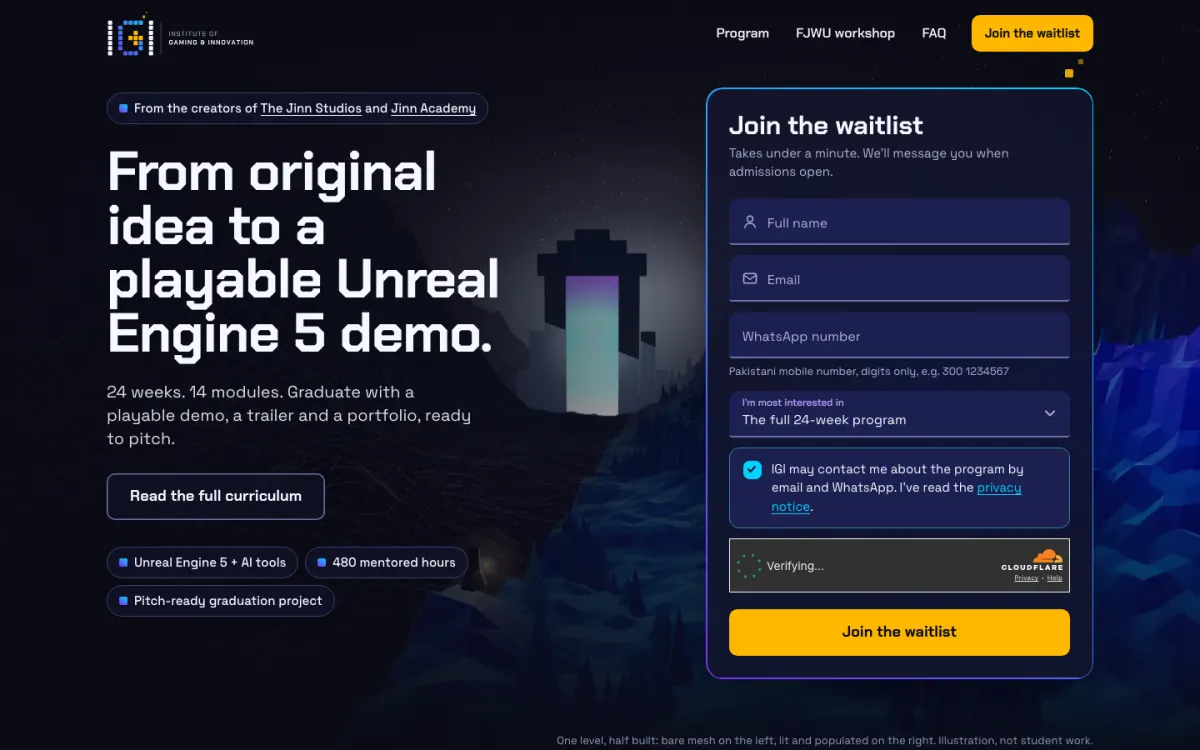

Unreal Engine 5 Program
IGI


Luxury Commerce
SHAZ
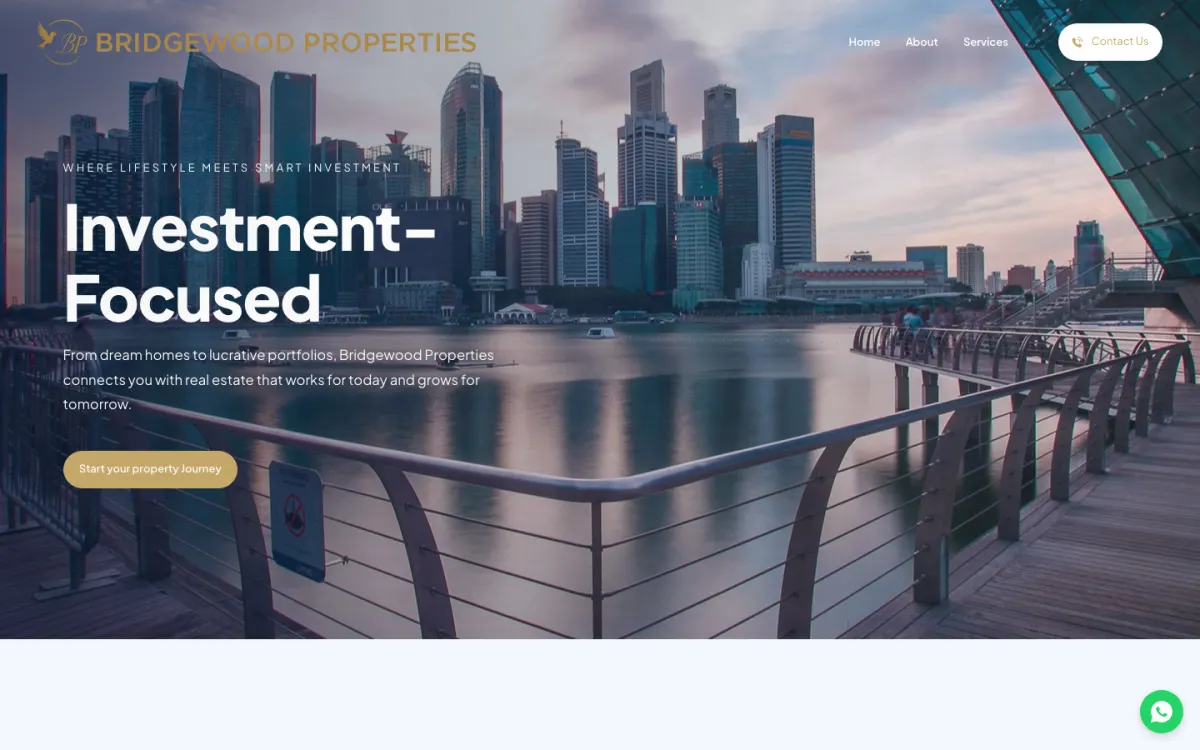

Property
Bridgewood
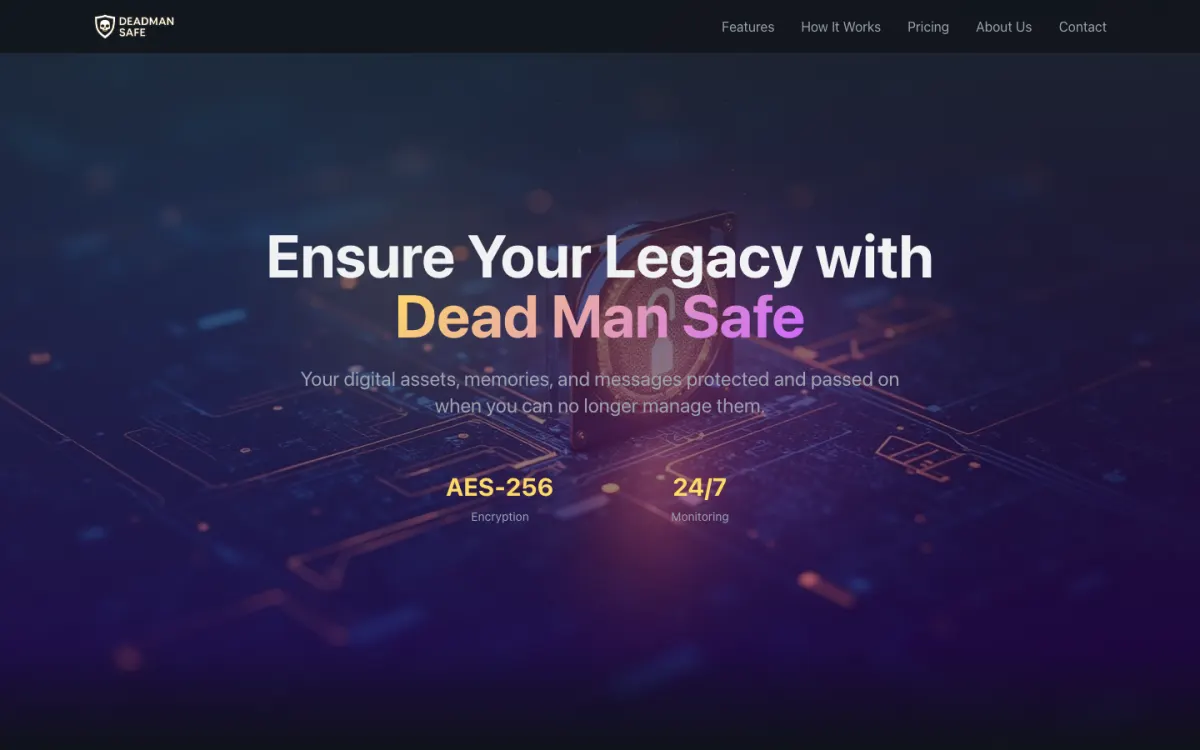

Digital Legacy
Dead Man Safe


Personal Brand
Shorouk Al Abdallah
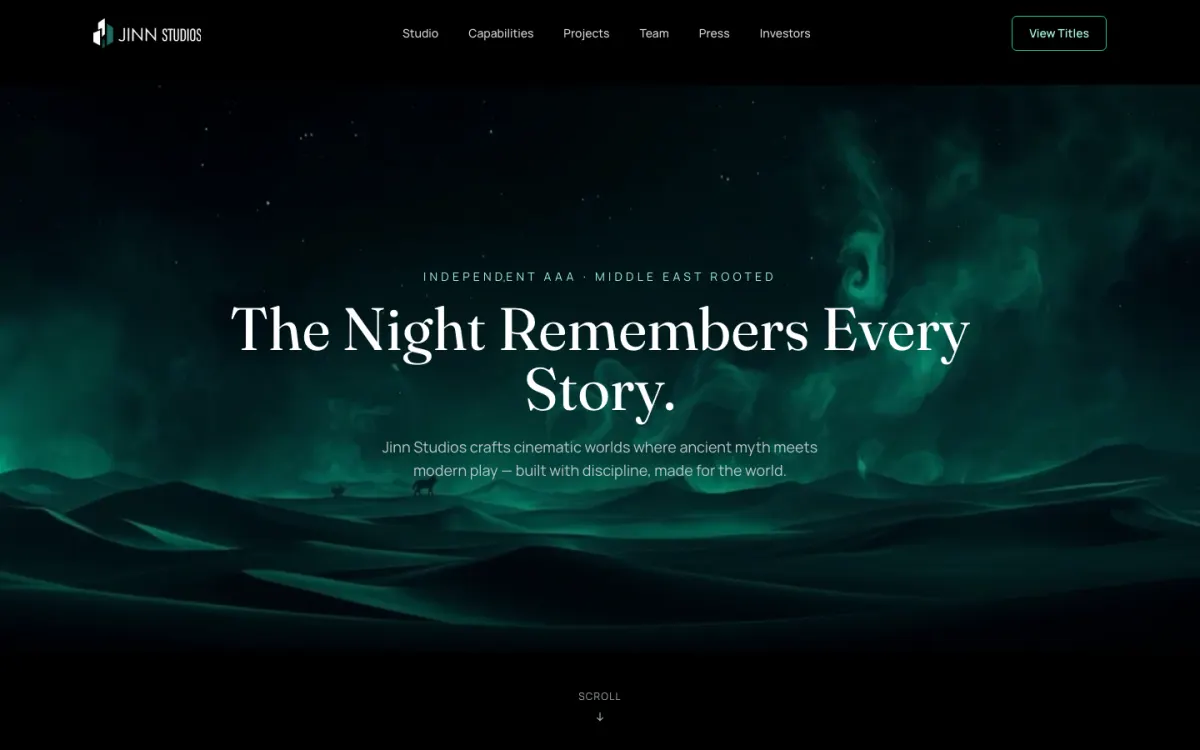

Studio
Jinn Studios


Entertainment
Cup Entertainment
Start a conversation
Ready to build your
SaaS product?
Tell us what you are building. We will review the architecture requirements, identify the decisions that matter most at this stage, and tell you honestly whether we are the right team for it.
After you reach out
We respond within one business day with an initial read on your product concept and the architectural questions we would want to explore.
Strategy session
A 60-minute call to review the product requirements, tenancy model, billing approach, and technical constraints. We come prepared, not scripted.
Architecture proposal
A written proposal covering the platform architecture, development phases, timeline, and investment. Including the decisions we think matter and why.