Custom Development · Jinn Systems
Custom Software
Development
Most software problems are not solved by finding the right product. They are solved by building a system designed around the way the business actually works.
Jinn Systems delivers custom software development for businesses with processes too complex, data models too specific, or integration requirements too precise for generic tools. We start with the architecture, not the feature list.
What we define first
- Business logic and data model before any technology choices
- Integration architecture across existing systems and third-party APIs
- Ownership model: code, infrastructure, and documentation you control
Services · Custom Development · Jinn Systems UAE
Why generic software stops working
The tool was not built for your business.
Off-the-shelf software is built around the average business. It assumes standard workflows, common data structures, and predictable integration needs. That works well until the business grows beyond what was average when the product was designed.
When processes become more complex, the workarounds multiply. Spreadsheets appear alongside the system. People maintain parallel records. Data lives in three places. Reporting requires manual consolidation every week. None of this is a people problem. It is a fit problem.
The more the business grows around generic software, the more the software limits the business. Custom software development is not about preference. It is the practical answer to a structural mismatch between how the business works and what the available tools allow.
The case for building it right
Software designed around your requirements.
Custom software development starts with a requirements process that maps the business logic before any code is written. The data model reflects how the business actually organises information. The workflow layer reflects what people actually do. The integration layer connects the systems the business already relies on.
The result is a system where the software fits the business, rather than the business adapting to fit the software. Processes run faster because they are not being mapped to a tool that was designed for a different context.
More importantly, the system is owned. The code, the architecture, the data, and the documentation belong to the business. There are no seat limits, no feature gates, and no dependency on a vendor's roadmap for the capabilities the business needs.
70%
of growing businesses report that off-the-shelf software constrains their operations within three years
3–4x
productivity gain typical when complex operational processes move from generic tools into purpose-built systems
01 — Requirements first
We map the business logic before we choose a technology stack. The architecture is derived from requirements, not the other way around.
02 — Ownership by design
Every system we deliver is fully owned by the client. Code, infrastructure, documentation, and data are yours from the first line of the build.
03 — Phased, not big bang
Delivery is structured in phases. The core system ships first, runs in production, and subsequent phases add modules once the foundation is validated.
Who we build for
Built for businesses that have outgrown the defaults.
Operations-Heavy Businesses
Processes too complex for available tools
Your operations involve multi-stage workflows, conditional logic, approvals across departments, and data relationships that no off-the-shelf product handles without years of workarounds. The solution is a system built around your process, not the reverse.
Architecture Design →Founders Building Products
A product concept that requires custom logic
You are building a product to sell, not a tool for internal use. The business model, the user interaction model, and the data architecture are all specific to your concept. Custom development is the only option when the product itself is the differentiation.
MVP Development →Enterprises Replacing Legacy Systems
Systems that no longer serve the business
You have a system that has been in use for years. It was the right choice when it was built, and now it is a bottleneck. The data model, the integration layer, and the technology stack all need to be rebuilt without disrupting the operations running on top of it.
Software Consulting →Multi-System Environments
Data scattered across disconnected tools
Operations depend on five tools that do not talk to each other. Data is exported manually between systems. Reporting is a quarterly exercise. A central custom system — or a purpose-built integration layer — eliminates the fragmentation without requiring you to replace everything at once.
ERP Development →Scope of work
What we build.
Business Applications
01Custom operational software built around the specific workflows, data models, and reporting requirements of a business. Inventory systems, order management platforms, field operations tools, client portals, and internal workflow engines. Systems that replace spreadsheets and generic tools with something purpose-built.
SaaS & Commercial Products
02Custom software built to sell, not just to use. Multi-tenant SaaS platforms, vertical software products, and commercial applications built with the architecture to serve paying customers at scale. The business model, the tenancy structure, and the billing layer are all custom designed.
Enterprise Systems
03Custom ERP, CRM, and enterprise platform development for businesses that have grown beyond the scope of commercial systems. Built module by module, integrated with existing infrastructure, and designed to handle the data volume and user concurrency of a real enterprise environment.
Integration Platforms
04Custom integration layers that connect existing systems, automate data flows between tools that were not designed to talk to each other, and create a unified operational view from fragmented sources. API gateways, ETL pipelines, event-driven integration architectures, and custom middleware for legacy system connectivity.
The architecture layer
What custom development actually involves.
Business Logic Layer
The rules, conditions, and processes that make the software specific to the business. Approval hierarchies, pricing calculations, eligibility logic, state machines for complex entity lifecycles. This is the layer that generic software cannot replicate and that makes custom development worth the investment. The architecture must capture this logic accurately before a line of code is written.
Data Architecture
Custom software requires a data model that reflects the actual entities in the business: their relationships, their state, and the history of how they change over time. The database schema determines how fast queries run at scale, whether reporting is real-time or batch, and whether the system can be extended without migrating data across structural changes. Data architecture decisions made at the start are present in production for years.
Integration Design
Custom systems do not exist in isolation. They connect to payment processors, government APIs, accounting platforms, communication tools, and legacy databases. Integration architecture determines how data flows between systems, how failures are handled, and whether the custom system becomes the authoritative source of record or just another endpoint in a fragmented stack. API design and event architecture are first-class concerns, not afterthoughts.
Security & Compliance
Custom software that handles business data carries direct responsibility for how that data is protected. Authentication, authorisation, encryption at rest and in transit, audit logging, and role-based access control must be designed into the system, not bolted on after delivery. For UAE-based systems, this includes alignment with UAE data protection requirements, VAT record-keeping obligations, and sector-specific compliance mandates.
Scalability Planning
The system built for 20 users today must handle 500 users in 18 months without a rewrite. Scalability is an architecture concern, not a deployment concern. Database indexing strategies, caching layers, background job queues, and infrastructure topology need to be chosen based on the projected load profile, not optimised reactively when the system starts degrading under real traffic.
Operational Overhead
Custom software must be maintainable by the team that will own it. That means clear documentation, observable systems with proper logging and alerting, and a deployment pipeline that allows updates without downtime. The best custom systems are built for the team that will run them, not just for the requirements they solve on day one. Operational simplicity is a design requirement, not a delivery bonus.
How we approach it
Four decisions that shape every build.
Requirements Before Technology
Technology choices follow requirements, not the other way around. We do not have a preferred stack that we apply to every project. The data model, the processing requirements, the integration constraints, and the team's long-term maintenance context all influence which technologies are the right ones for this specific system.
The most expensive mistake in custom software development is choosing a technology first and then discovering that the requirements do not fit its assumptions. We avoid it by treating requirements as the primary design input.
Architecture Before Code
Every project begins with a written architecture document: the data model, the system boundaries, the API contract, the integration points, and the infrastructure topology. This document is reviewed and agreed before development begins.
Architecture documents are not specifications that collect dust. They are the reference point against which every development decision is evaluated. When a question arises during the build, the architecture answers it without a meeting.
Phased Delivery
Custom software projects are delivered in phases. The first phase establishes the core architecture and the highest-value functionality. It ships, runs in production, and the business begins using it. Subsequent phases add modules, integrations, and features in a sequence planned from the start.
This approach reduces project risk, produces value faster, and allows the requirements for later phases to be refined based on real operational feedback from Phase 1.
Full Ownership Transfer
At delivery, the client owns everything. Source code, infrastructure configuration, database schemas, API documentation, deployment pipelines, and operational runbooks. There is no ongoing dependency on Jinn Systems to keep the system running.
Ongoing engagement — support, enhancements, additional phases — happens by choice, not by necessity. Clients who stay do so because the work produces value, not because the alternative is losing access to their own system.
From the field
Custom systems built for specific problems.
PropFlow
Real estate operations platform replacing four tools with one
PropFlow managed properties across multiple developers using a combination of spreadsheets, a CRM not built for real estate, a separate maintenance ticketing tool, and manually assembled financial reports. Each tool held a different version of the same data.
We built a unified property management platform with a data model designed around the actual entities in real estate operations: properties, units, tenancies, lease events, maintenance jobs, and financial transactions. Every workflow was mapped before any schema was written.
The result was a single operational system that replaced all four tools. Cross-departmental reporting went from a two-day monthly process to a real-time dashboard. Zero maintenance requests were lost after launch. The system was delivered in phased modules over 20 weeks with no operational disruption during the transition.
4→1
tools consolidated into one platform
Real-time
reporting replacing 2-day monthly assembly
0
operational disruption during phased migration
GridSense
Energy asset management system for distributed infrastructure
GridSense operated a distributed network of energy monitoring assets across multiple sites. Field data was collected manually, job assignments were tracked in spreadsheets, and compliance reporting required days of consolidation from disconnected sources.
The custom system we built connected directly to asset telemetry, automated job dispatch to field teams, tracked every compliance event against the relevant asset, and generated regulatory reports from live data. The integration layer pulled from existing field devices without requiring hardware changes.
Field data availability moved from days to minutes. Compliance report generation went from three days to four hours. Billing accuracy improved because every completed job was now captured in the system at the point of completion, not recovered from handwritten field notes the following week.
Days→min
field data availability after system launch
3d→4h
compliance report generation time
0
uncharged completed jobs post-launch
How a project runs
From first conversation to production.
Step 01
Discovery & Requirements Mapping
Structured sessions to map business processes, data entities, user roles, and integration requirements. We document what the system must do before considering how it will do it. Duration: 1 to 2 weeks depending on scope.
Step 02
Architecture Design
A written architecture document covering the data model, system boundaries, API contract, integration design, infrastructure approach, and phased delivery plan. Reviewed and agreed before development begins. This document governs the build.
Step 03
Phase 1 Development
Core architecture and highest-value functionality built first. Weekly delivery of working software against the agreed architecture. The first phase ends when the core system is running in production and the business is using it.
Step 04
Integration & Testing
External integrations are connected, end-to-end tests validate all critical paths, and performance is verified against the expected load profile. Integration testing with live sandbox environments before production deployment.
Step 05
Delivery & Handover
Full ownership transfer: source code, infrastructure configuration, documentation, and operational runbooks. Team walkthrough of the architecture and deployment process. The system is yours to operate, maintain, and extend independently.
Step 06
Subsequent Phases
Additional modules, integrations, and features developed on the established architecture. Each phase is scoped, priced, and delivered independently. Subsequent phases benefit from real operational feedback and the production experience of Phase 1.
Custom software in the UAE
Built in the UAE.
For UAE businesses.
Jinn Systems delivers custom software development in Dubai, Abu Dhabi, Sharjah, and across the UAE. Our work is informed by the specific operational, regulatory, and commercial context of businesses operating in this market.
UAE-specific requirements we build for regularly include VAT system integration aligned with Federal Tax Authority requirements, connectivity with UAE banking APIs and payment processors, e-Government service integrations for permit and compliance workflows, and Arabic-language interface support for bilingual platforms used by staff and customers across the region.
The industries we serve most in the UAE include real estate and property management, healthcare and clinic operations, energy and infrastructure, logistics and supply chain, professional services, and financial services. Each sector has specific data, compliance, and operational requirements that shape the architecture of the systems we build.
Headquarters
Sharjah, UAE
UTC+4 (GST)
Regional expertise
UAE compliance & integrations
VAT, banking APIs, e-Gov
Languages
English & Arabic
RTL interface support
Clients
UAE & global founders
Remote-first delivery
Common questions
Custom software, answered.
What is the difference between custom software and off-the-shelf software?
Off-the-shelf software is built for a general market and requires businesses to adapt their processes to the product's assumptions. Custom software is designed specifically for one business's processes, data model, and integration requirements. The tradeoff is cost and time: off-the-shelf is faster and cheaper to start; custom is more expensive initially but eliminates the ongoing cost of workarounds, manual data management, and operational compromises.
How do you scope a custom software project?
Scoping starts with a discovery process: structured sessions that map the business processes, data entities, user roles, and integration requirements. From this, we produce an architecture document and a phased delivery plan with effort estimates. We do not produce fixed-price quotes from a brief. Accurate scope requires understanding the requirements, and understanding the requirements takes time that is accounted for in the engagement.
Can custom software be built to integrate with our existing tools?
Yes. Integration with existing tools is one of the most common requirements in custom software projects. We design the integration architecture as part of the initial system design, not as an afterthought. This includes REST and GraphQL API integrations, webhooks, database-level integrations for legacy systems, and event-driven connections for real-time data flows. Integration points are documented as first-class system boundaries.
Who owns the code after the project is delivered?
You do. Jinn Systems transfers full ownership of all source code, infrastructure configuration, documentation, and deployment tooling at project delivery. There is no licensing, no vendor lock-in, and no ongoing dependency on us to keep the system running. You can take the codebase to any team for future development. We do not retain any rights to the software we build for clients.
Recent work
Systems we have shipped


Multi-Brand Group
ETS Group
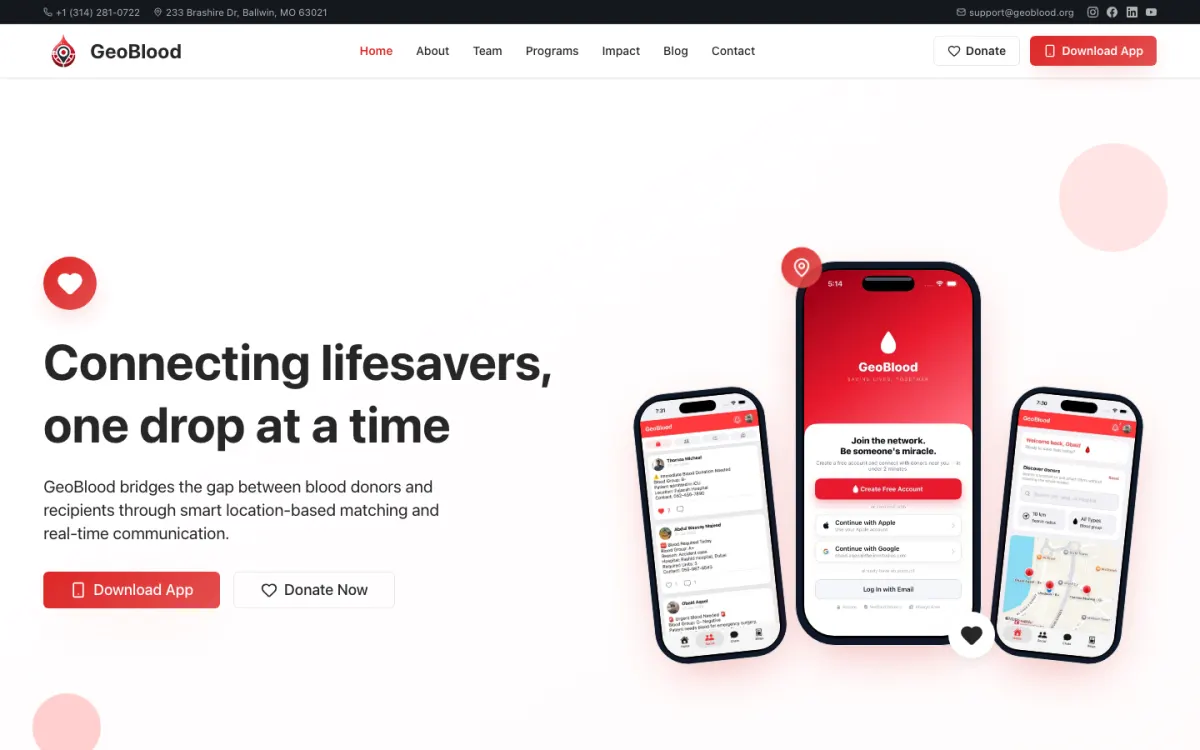

Health Platform
GeoBlood
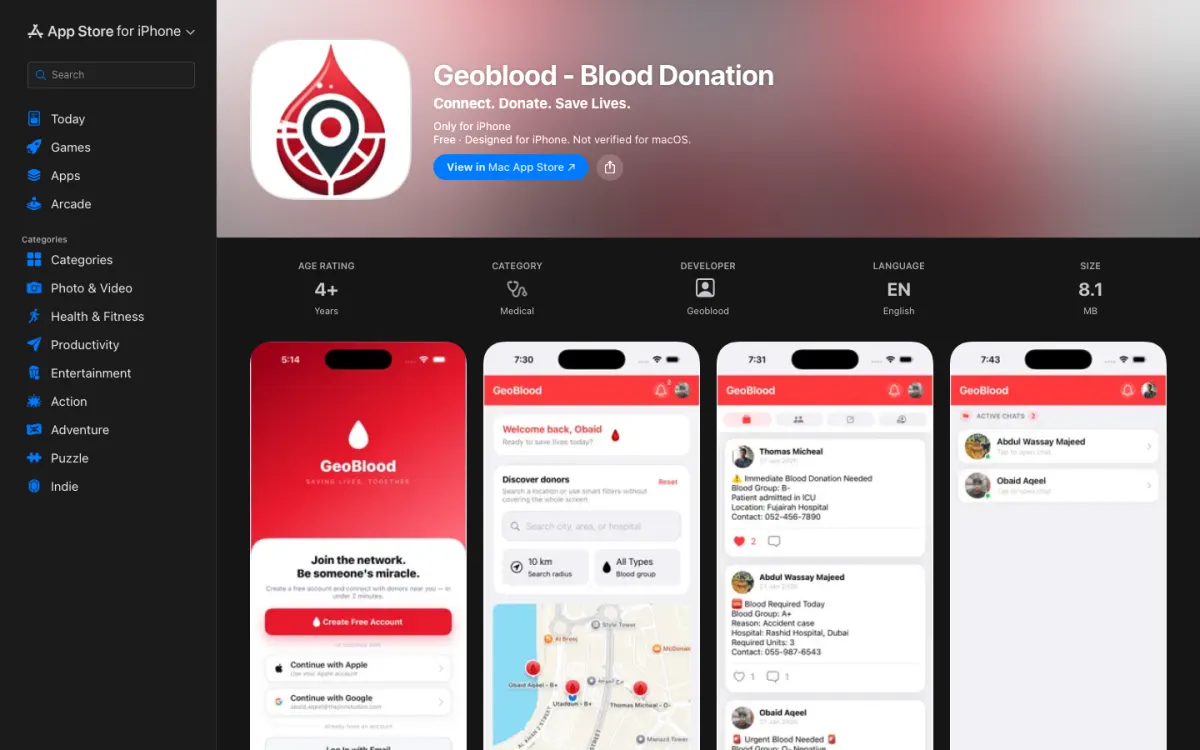
Mobile Product
GeoBlood App
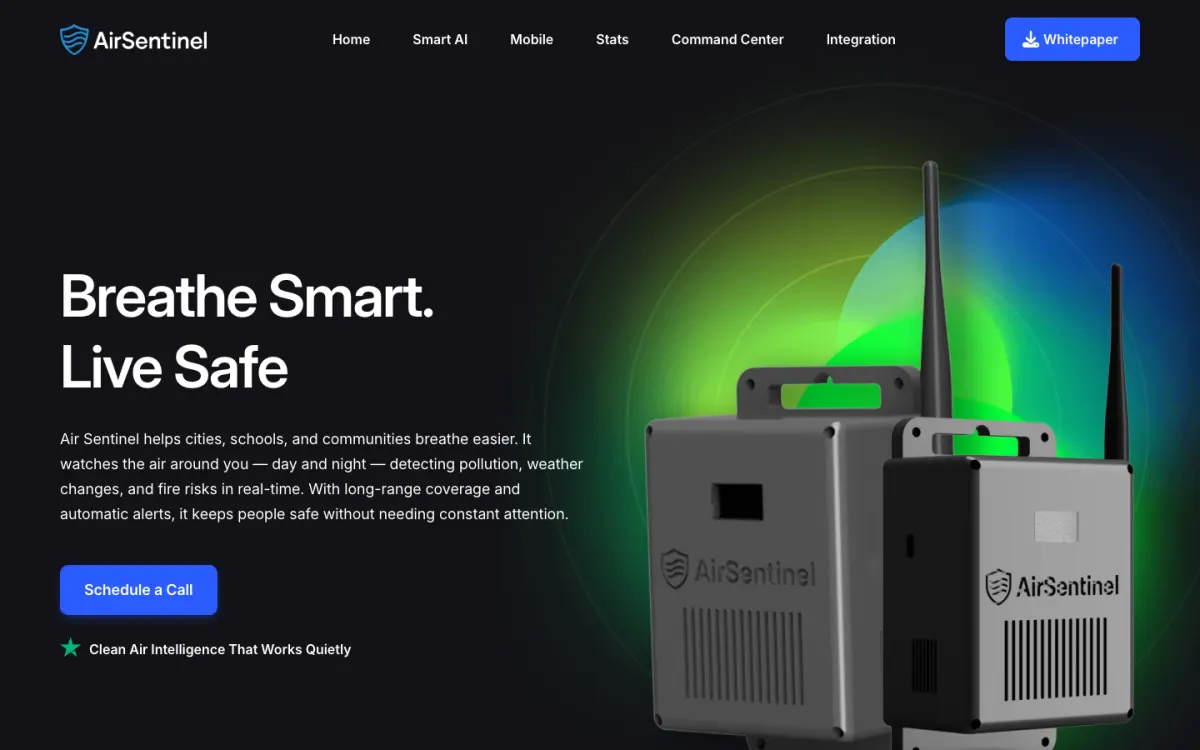

Air Monitoring
AirSentinel

Environmental Tech
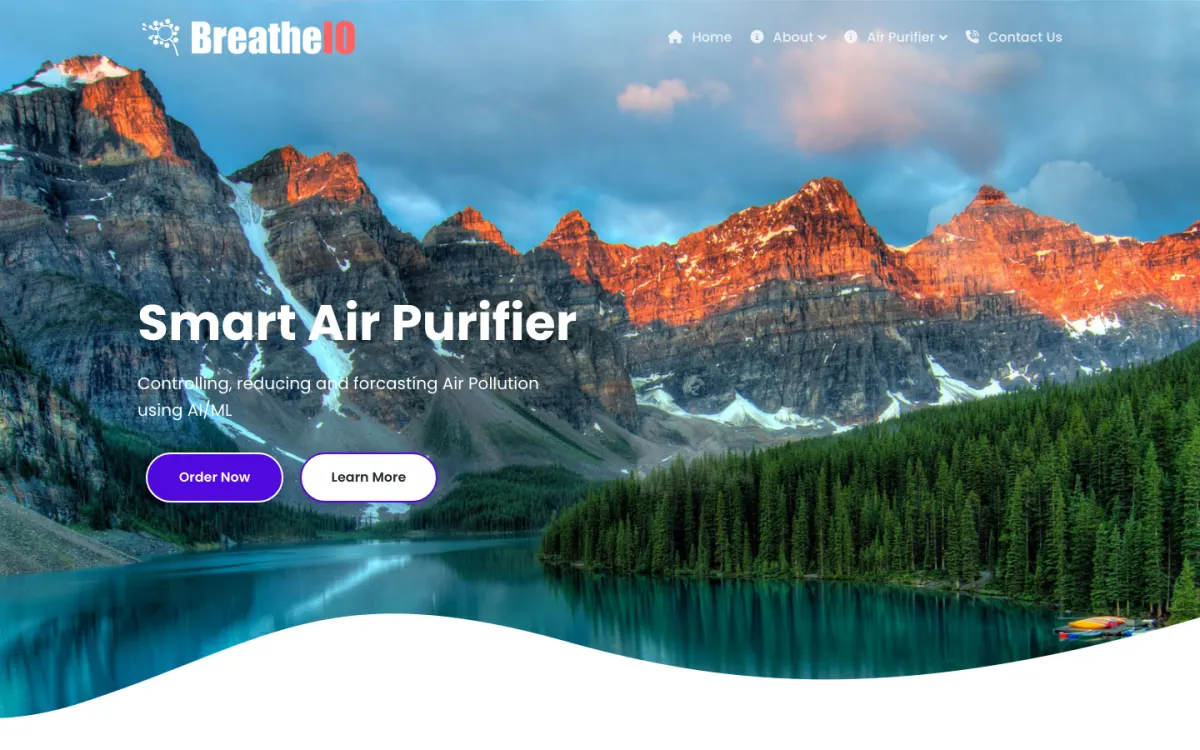
BreatheIO

ICT / Security / Systems
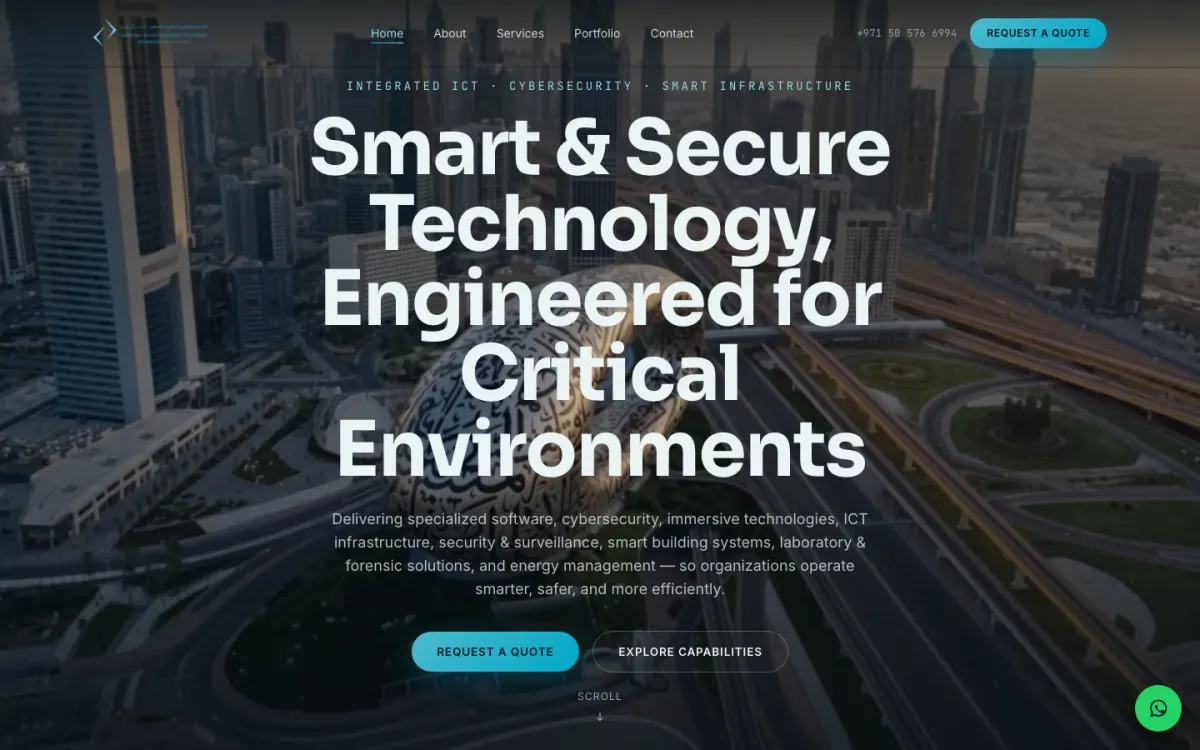
Alebdaat

Robotics
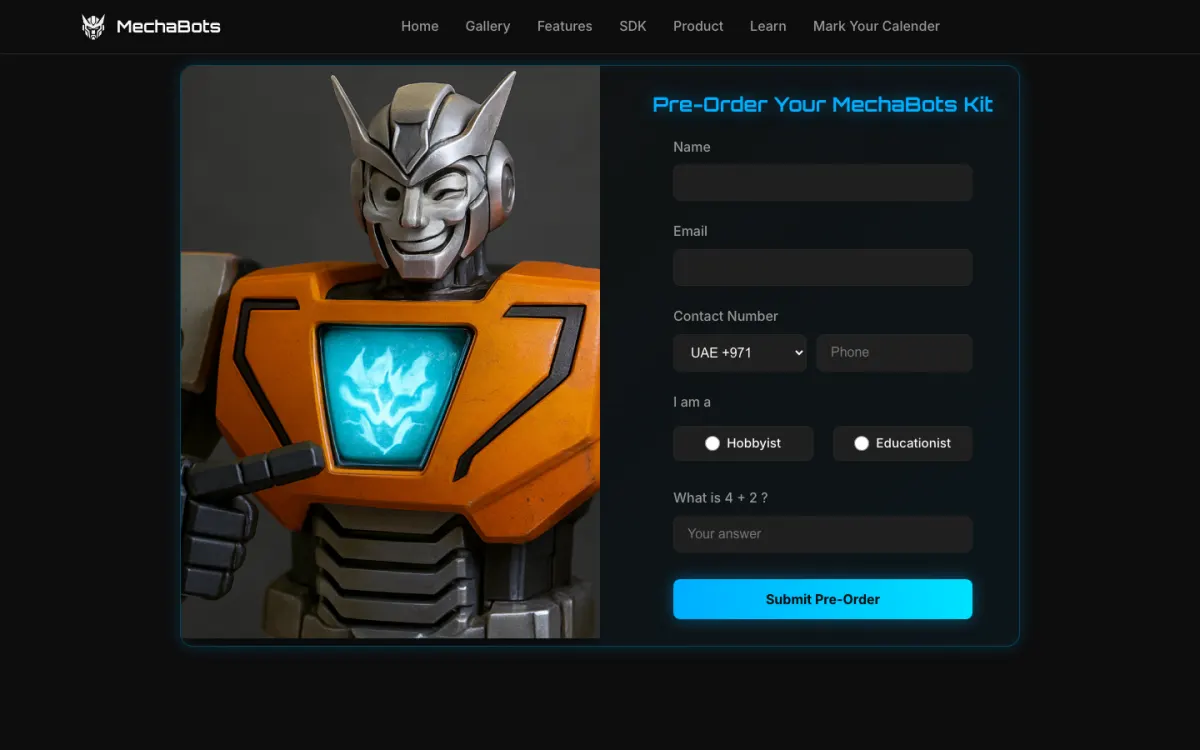
MechaBots

Client Project Workspace
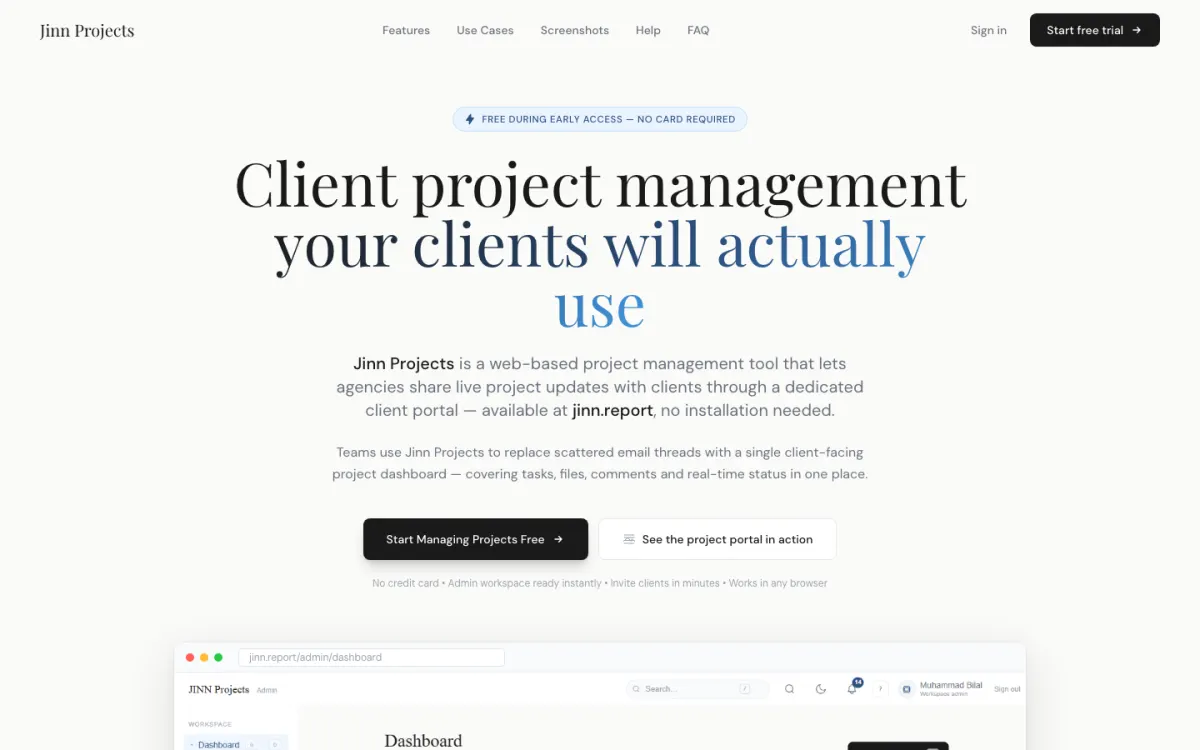
Jinn Reports
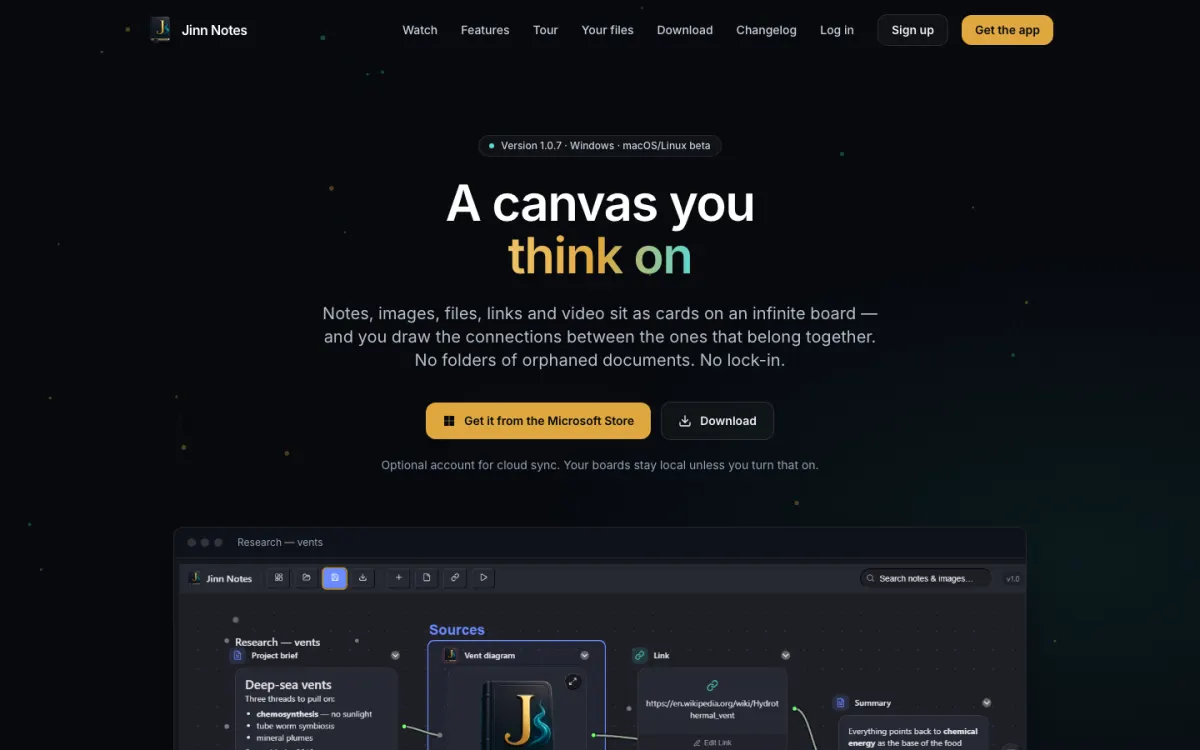

Visual Note-Taking
Jinn Notes
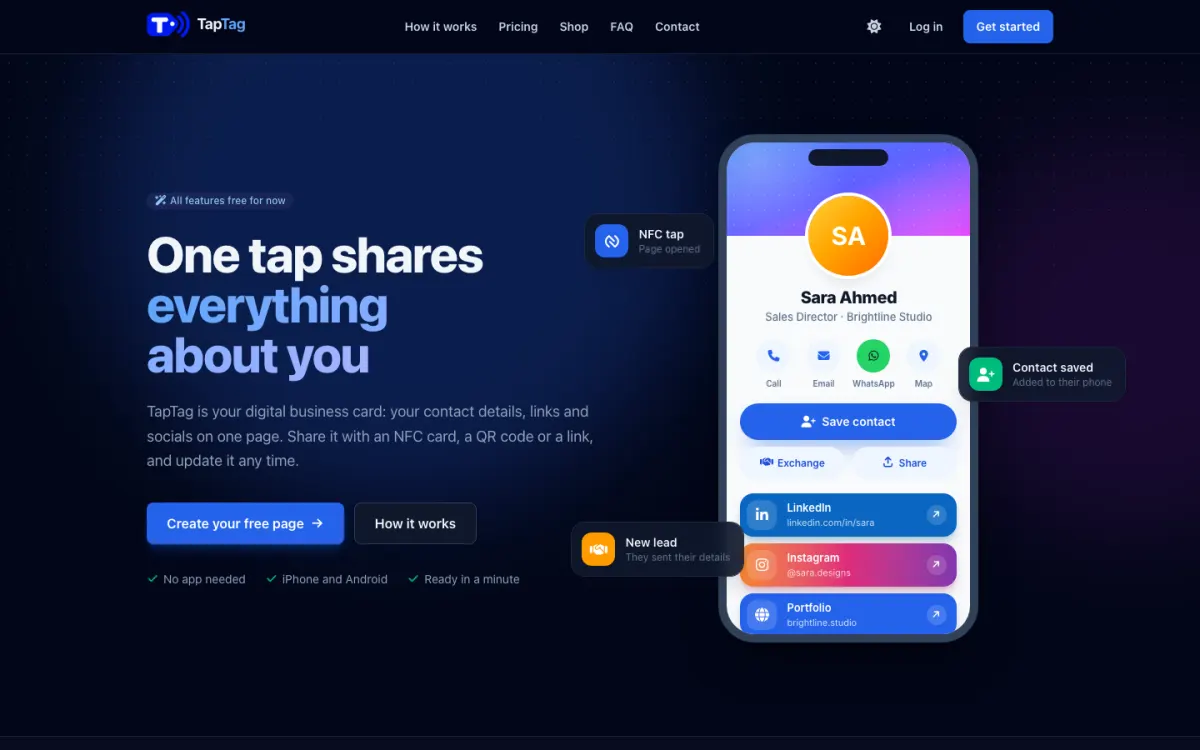

Digital Business Cards
TapTag
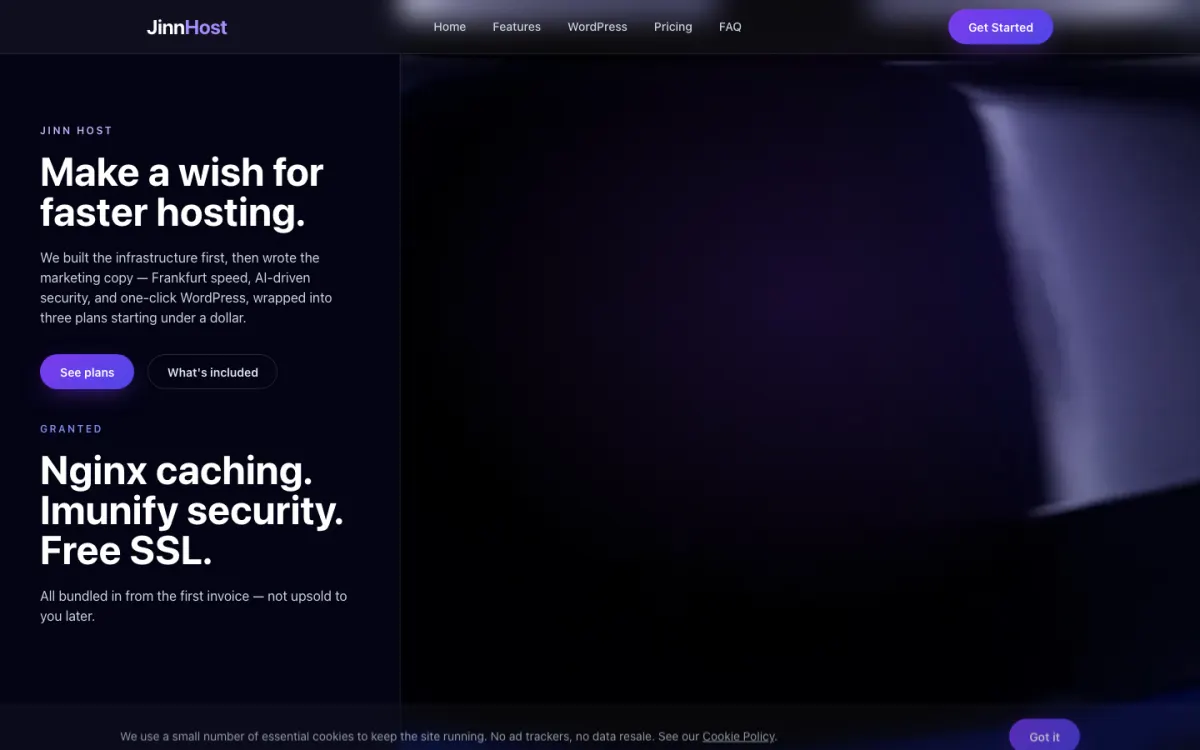

Hosting Infrastructure
JinnHost
Open-Source Control Panel
Jinn Panel
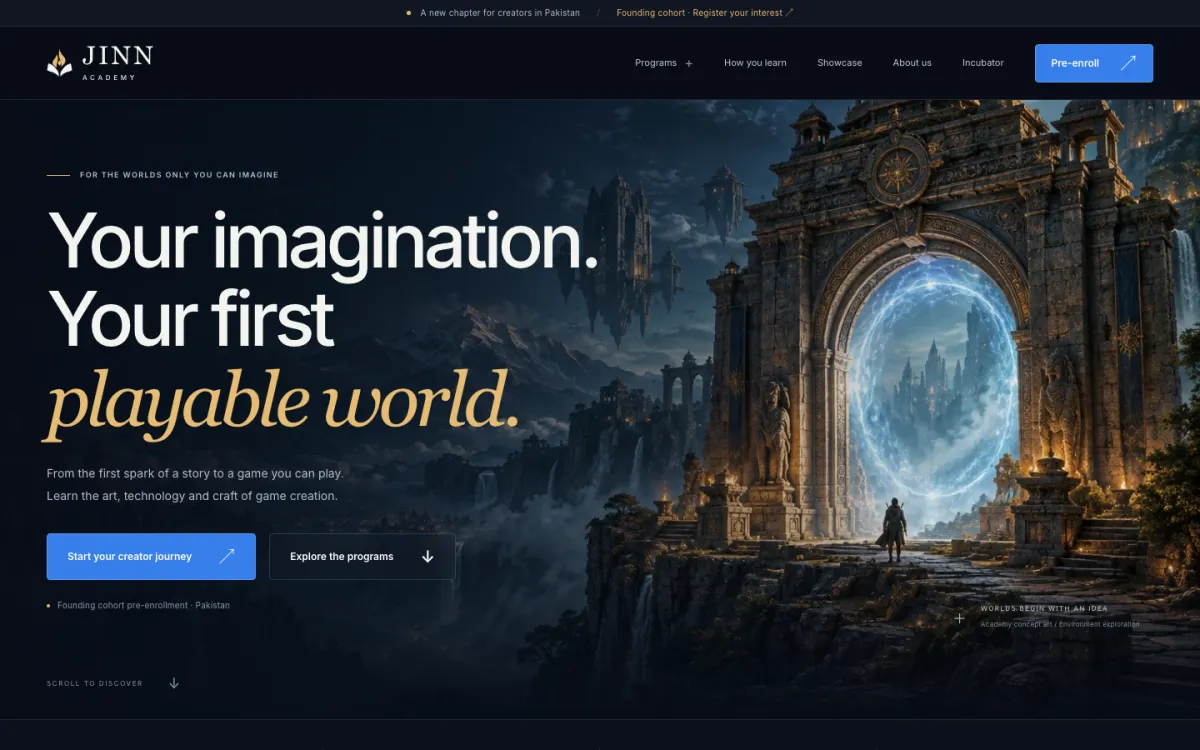

Game Development Academy
Jinn Academy
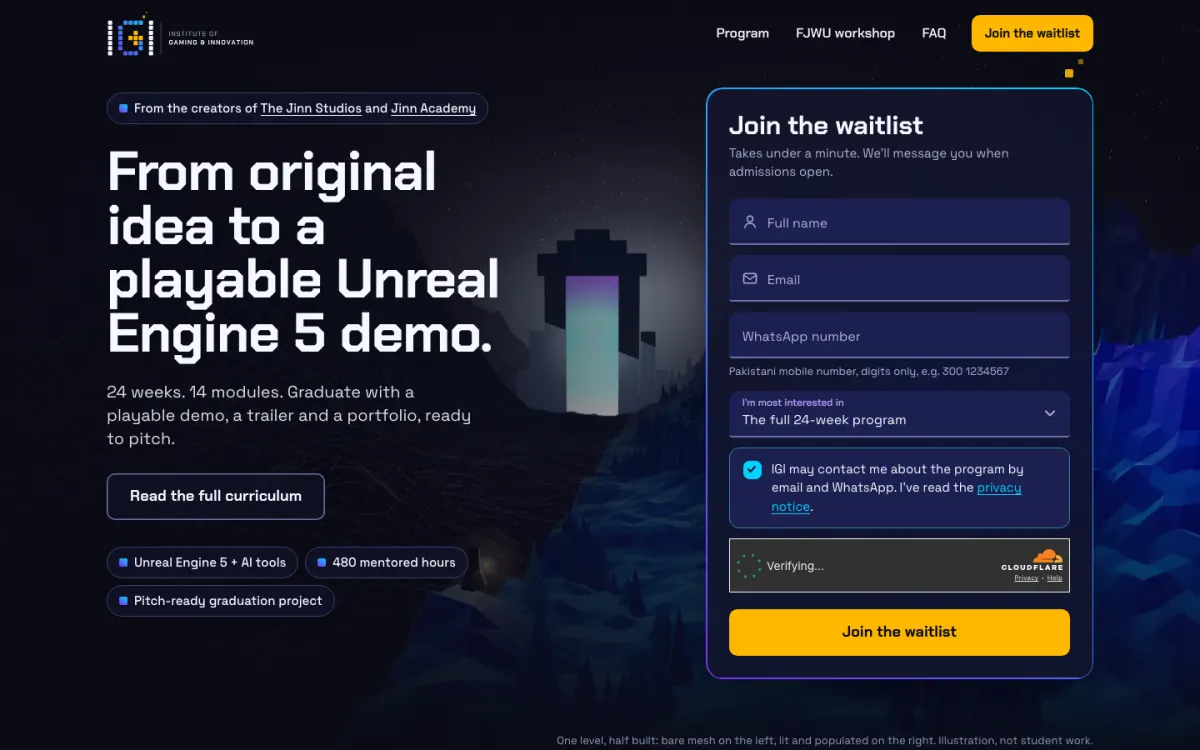

Unreal Engine 5 Program
IGI


Luxury Commerce
SHAZ
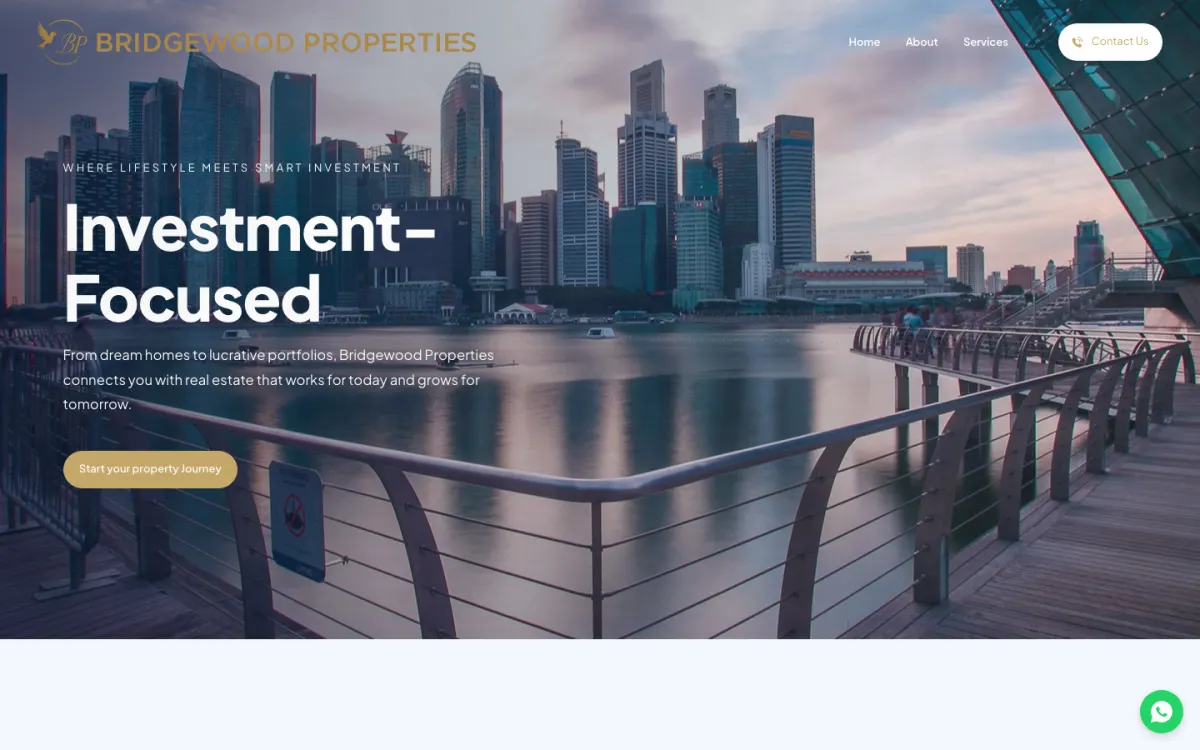

Property
Bridgewood
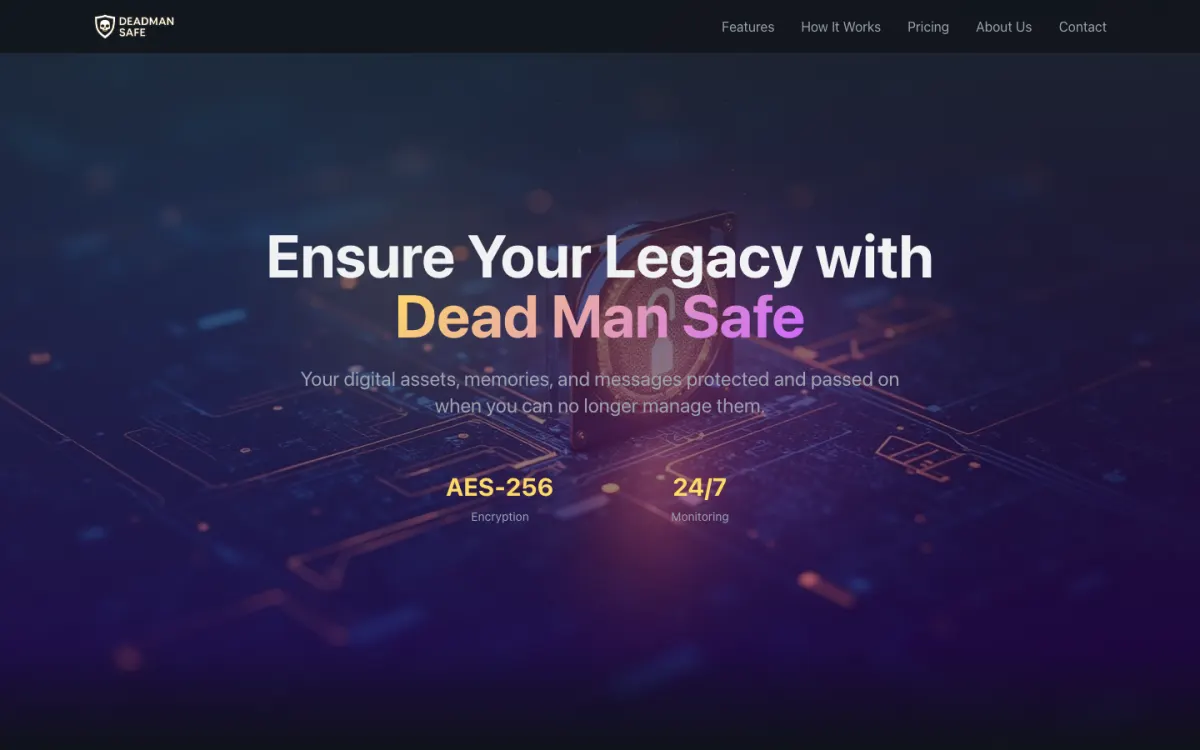

Digital Legacy
Dead Man Safe
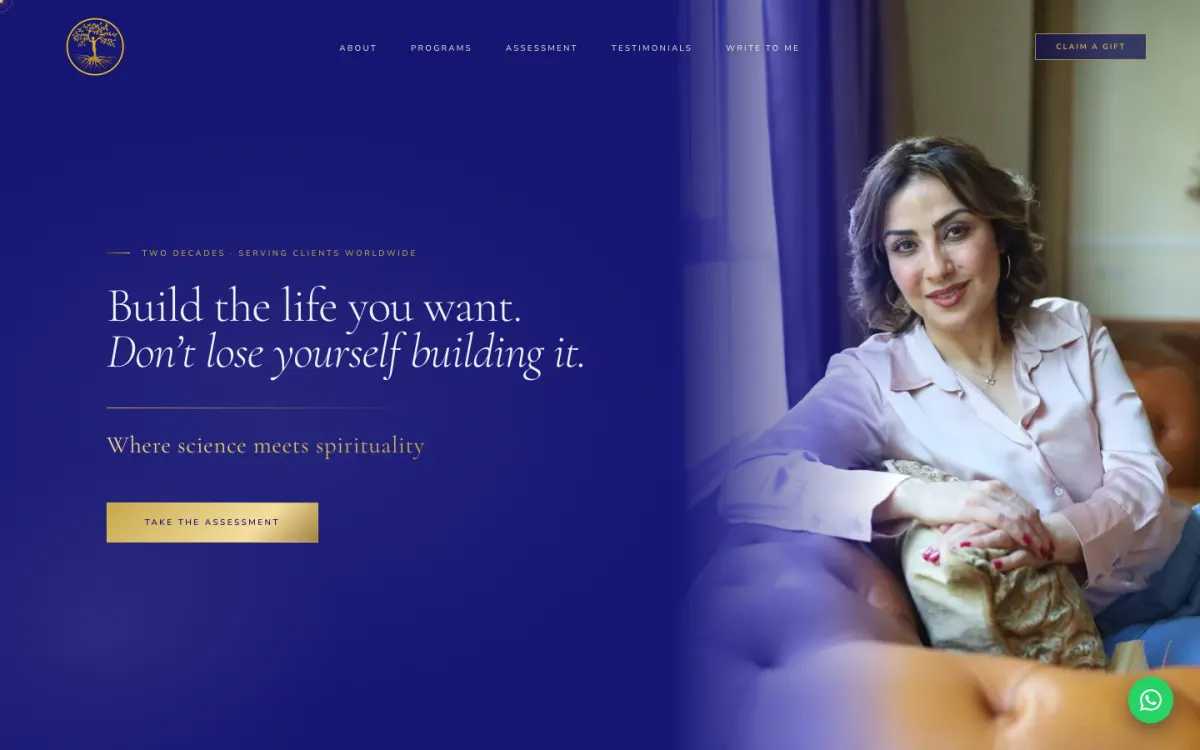

Personal Brand
Shorouk Al Abdallah
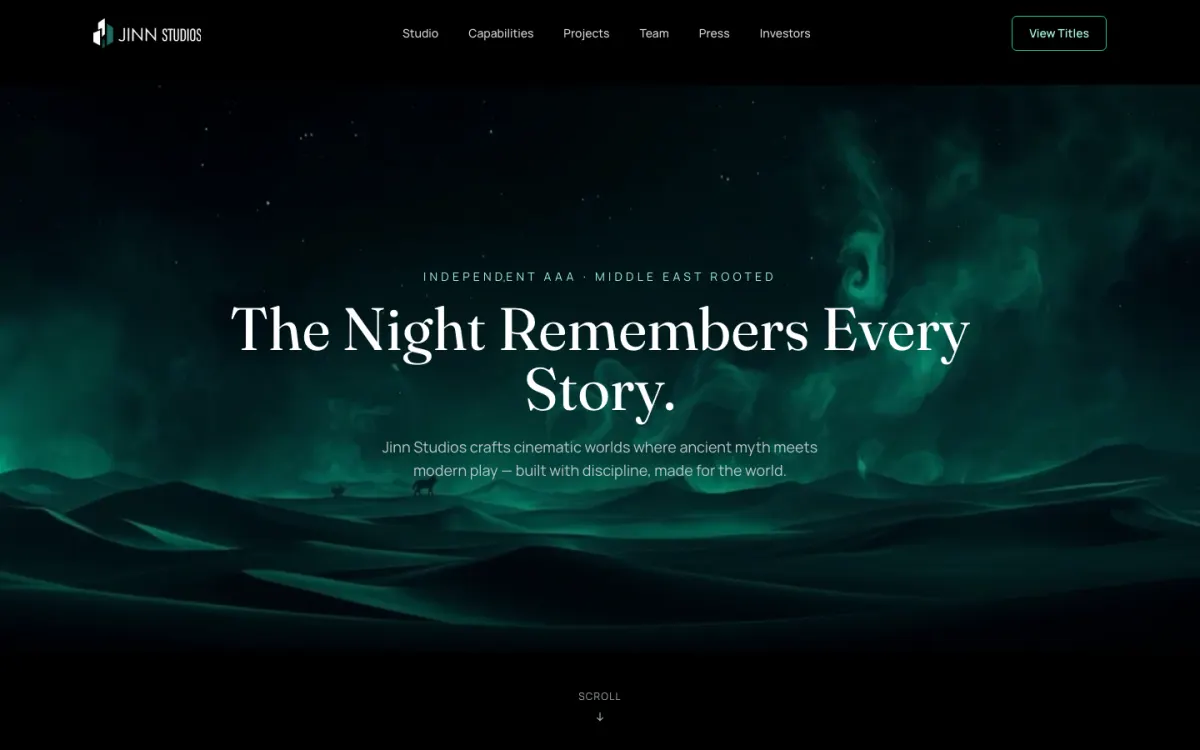

Studio
Jinn Studios
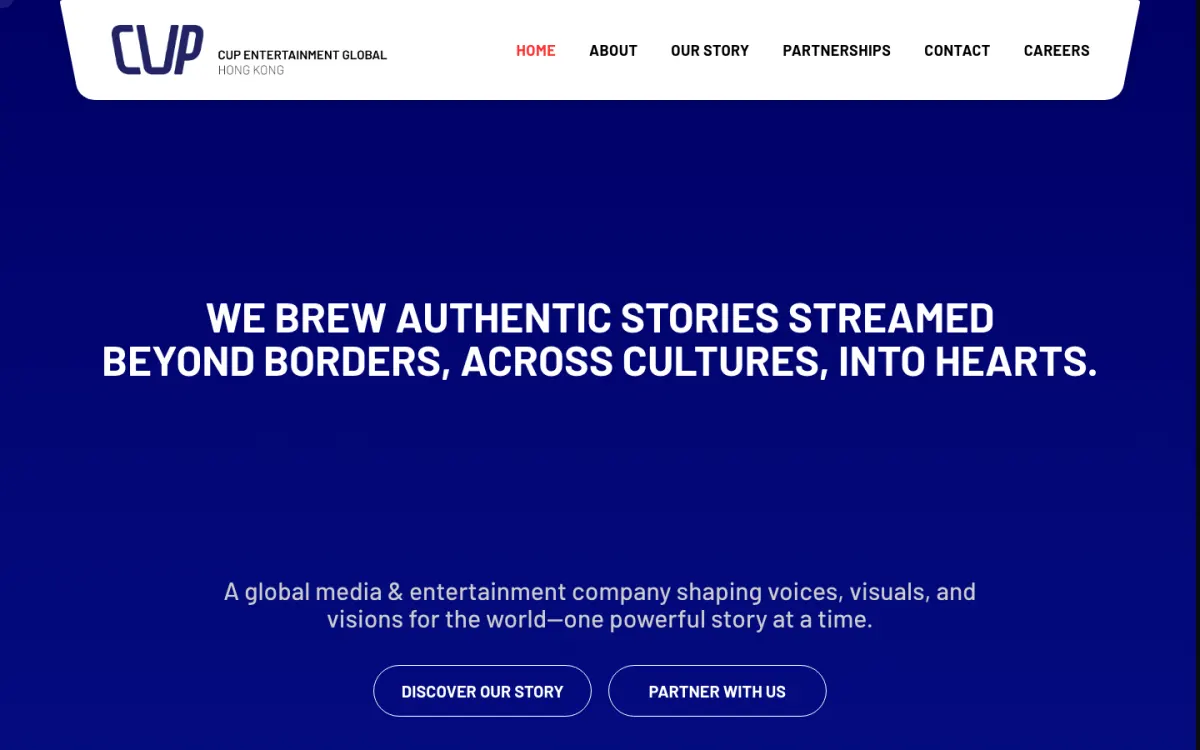

Entertainment
Cup Entertainment
Start a conversation
Ready to build software
that fits your business?
Tell us what you are trying to build and what the current system cannot do. We will review the requirements, identify the architectural questions that matter most, and tell you honestly whether custom development is the right answer.
After you reach out
We respond within one business day with an initial read on your requirements and the questions we would want to explore before scoping the project.
Discovery session
A structured session to map the business processes, data requirements, and integration constraints. We come prepared to ask the right questions, not to present a proposal.
Architecture proposal
A written proposal covering the system architecture, phased delivery plan, timeline, and investment. Specific enough to be a real commitment, not a range designed to avoid accountability.