
AI Systems · Jinn Systems
AI Development
Company
Building AI systems that solve real business problems requires more than a model. It requires the data infrastructure, system architecture, and integration work to make that model useful in production.
Jinn Systems is an AI development company that builds applied AI into real products and business workflows. Not demos. Not prototypes. Systems that run at production scale and produce measurable outcomes.
Applied AI practice
- Problem definition and data evaluation before model selection
- AI integrated into the system architecture, not added on top
- Deployed with monitoring, feedback loops, and defined retraining cycles
Services · AI Systems · AI Development
Why most AI projects fail
Poor integration, not poor models.
Most AI projects do not fail because the model is wrong. They fail because the model was never properly connected to the system it was supposed to improve. The data pipeline was not built. The outputs were not integrated into the user workflow. The model was trained on data that does not reflect the production environment. The latency requirements of the system were incompatible with the model's inference time.
AI is not a standalone feature you add to a product. It is a component that must be designed into the system from the start, with the same rigor applied to any other architectural decision. What data feeds it, how the outputs are consumed, how it degrades gracefully when confidence is low, how it is monitored after deployment: these are system design questions, not model questions.
The 85% AI project failure rate cited across the industry is not a mystery. Most projects are initiated as "add AI to this" rather than "solve this specific problem using AI as one of the tools." The difference in outcome is predictable.
The right way to think about it
AI is a system-level decision.
Successful AI software development starts with three questions, in order. What is the specific decision or task the AI needs to improve? Do you have the data, in the right quality and quantity, to train or use a model for that task? And does the architecture of your system support the integration of an AI component in that position?
If you cannot answer all three clearly, the project is not ready for model development. Any AI work done before these questions are answered will either need to be redone or will produce a system that technically works but does not improve the business outcome it was supposed to address.
Our artificial intelligence development services begin with problem definition and data evaluation. The model is selected after the requirements are understood, not before.
85%
of enterprise AI projects fail to reach production deployment
3x
more likely to succeed when AI is defined as a system requirement, not a feature request
01 — Problem first
We do not begin with a model or a technology. We begin with a precise definition of the problem, the decision it supports, and the data available to address it.
02 — Data before model
The data evaluation phase determines whether a useful model can be built with what exists. No amount of model sophistication compensates for insufficient or poorly structured training data.
03 — Integration as design
The AI component is designed as part of the system architecture. How it receives inputs, produces outputs, handles uncertainty, and degrades gracefully are all architectural requirements.
Who we work with
Built for teams implementing AI seriously.
Businesses
Implementing AI into existing operations
You have workflows — customer service, operations, logistics, finance — where manual decisions are slow or inconsistent. You need AI integrated into the process, not a report about AI possibilities.
Software Development →SaaS Companies
Adding AI features to an existing product
You have a working SaaS product and customers are asking for AI capabilities: recommendations, automation, intelligent search, or predictive features. The challenge is integrating AI without disrupting what already works.
SaaS Development →Startups
Building a product where AI is the core mechanism
The product you are building is not AI-assisted — AI is the primary mechanism that makes it work. You need the AI component designed into the product architecture from the first sprint, not retrofitted after the fact.
Web Application Development →Enterprises
Optimising workflows with targeted AI automation
You have complex, high-volume workflows where targeted automation or intelligent decision support would produce measurable efficiency gains. You need the implementation done correctly, not the consulting engagement that tells you what is possible.
Software Consulting →Scope of work
What we build.
AI-Powered Applications
01Web applications with AI components integrated at the system level: intelligent search, recommendation logic, automated classification, predictive scoring, or natural language processing. The AI runs within the application's data and infrastructure, not as an external call to a third-party service that cannot be customised or monitored.
SaaS Platforms with AI Features
02Multi-tenant SaaS platforms where AI is a product feature, not an experiment. Per-tenant model training or fine-tuning, AI feature gating by subscription plan, inference infrastructure that scales with tenant load. The AI layer is designed with the same tenancy awareness as the rest of the platform.
Custom AI Systems
03Purpose-built AI systems for specific business problems: document processing pipelines, automated triage and prioritisation systems, pattern detection across large datasets, intelligent matching systems. Built around the problem and the data, not around a general-purpose AI framework applied indiscriminately.
AI-Integrated Business Tools
04Internal business tools with AI built into the workflow: CRM systems with predictive lead scoring, operations platforms with automated scheduling, reporting systems with intelligent anomaly detection. The AI component works inside the tool your team already uses, not in a separate dashboard they need to check.
System types
Types of AI systems we implement.
Recommendation Systems
Systems that rank or suggest items based on user behaviour, contextual signals, or similarity to known-good matches. Used in product discovery, content surfacing, candidate matching, and personalised user experiences. The output is a ranked list; the implementation spans data collection, feature engineering, model training, and serving infrastructure.
Automation Systems
AI systems that replace or reduce human intervention in repetitive, rule-governed tasks: document classification, form data extraction, routing decisions, compliance checks, invoice processing. The goal is not to eliminate human judgment but to remove the volume of low-complexity decisions that should not require it.
Data-Driven Decision Tools
Systems that analyse historical data to produce predictions, scores, or forecasts that inform a human decision. Credit scoring, churn prediction, demand forecasting, maintenance scheduling. The model provides a probability or a ranking; the human or downstream system acts on it with full visibility into the confidence level.
AI-Assisted Platforms
Platforms where AI augments user actions rather than replacing them. Writing assistance, intelligent form completion, smart search with semantic understanding, context-aware suggestions. The AI is a layer on top of the user's work, improving speed and quality without removing control. Integration must match the response time expectations of interactive use.
Workflow Optimisation Systems
Systems that analyse workflow data to identify bottlenecks, reorder queues, allocate resources more efficiently, or predict where delays will occur before they happen. The inputs are event logs and operational data; the outputs are scheduling recommendations or automated reallocation decisions within defined parameters.
Anomaly Detection Systems
Systems that monitor data streams and flag observations that deviate significantly from expected patterns. Used in fraud detection, infrastructure monitoring, quality control, and security event analysis. The critical design challenge is calibrating sensitivity: too low misses real anomalies, too high produces alert fatigue that causes operators to ignore the system.
Implementation reality
Where AI projects actually go wrong.
01 — Poor Data Quality
AI models learn from data. When the data is incomplete, inconsistent, mislabelled, or not representative of the real-world distribution the model will encounter in production, the model's predictions will be unreliable regardless of how sophisticated the architecture is.
Data evaluation is not a preliminary step that happens once. It is an ongoing process. The distribution of data in the training set needs to match the distribution of data in production, and that distribution changes as the system is used and the business evolves.
How we address it
Data audit before model selection. Feature engineering designed around available data quality. Monitoring in production to detect distribution drift before it degrades performance.
02 — Unclear Use Cases
The most common failure mode in AI projects is beginning with a technology rather than a problem. "We need AI" is not a specification. A useful AI system solves a specific, well-defined problem where the inputs are known, the expected outputs are defined, and there is a clear way to measure whether the model is producing better outcomes than the current approach.
When the use case is vague, scope grows continuously. The model becomes responsible for solving problems it was not designed to solve, and the integration work multiplies accordingly.
How we address it
Problem definition workshop before any model work begins. Explicit success criteria agreed in writing. Scope bounded to the defined use case, with additional use cases treated as separate projects.
03 — Overengineering
Not every problem requires a large language model. Not every classification task requires a neural network. A logistic regression model trained on clean features often outperforms a complex deep learning model trained on messy data. The tendency to choose the most sophisticated available tool, rather than the most appropriate one, consistently produces systems that are expensive to run, difficult to maintain, and no more accurate than a simpler approach would have been.
Model complexity should match problem complexity. The evaluation criterion is prediction accuracy for the defined task, not impressiveness of the architecture.
How we address it
Baseline model evaluated first. Complexity added only where it produces a measurable improvement in the metric that matters. Inference cost and maintenance complexity treated as constraints, not afterthoughts.
04 — Lack of System Integration
An AI model that is not properly integrated into the surrounding system does not produce value. Integration means the model receives inputs in the correct format and at the correct frequency, produces outputs that the consuming system can act on, operates within the latency requirements of the workflow it supports, and fails gracefully when confidence is below the threshold where its output can be trusted.
A model that works in isolation but fails under the conditions of the production system is not a working model. The integration layer is as important as the model itself.
How we address it
System integration designed before model development begins. Serving infrastructure specified with latency and reliability requirements. Fallback behaviour defined and tested as a first-class requirement.
From the field
AI systems we have built and integrated.
Case Study 01
GeoBlood AI
Intelligent matching layer for real-time donor matching platform
The situation
The original GeoBlood matching system used rule-based filtering: blood type compatibility plus proximity radius. As the donor registry grew, match quality deteriorated. The closest donor was not always the most likely to respond. The system had no mechanism to learn from historical match outcomes, and high-urgency requests were handled identically to low-urgency ones.
What we implemented
A multi-factor scoring model that weights blood type compatibility, geographic proximity, donor availability history, and historical response rate. Urgency level adjusts the weighting dynamically. The model runs as a scoring layer over the existing matching pipeline — the data infrastructure was preserved, the ranking logic was replaced. The model retrains periodically on new outcome data without manual intervention.
Outcomes
Match acceptance rate improved significantly — donors ranked first are more likely to respond because the scoring model accounts for behaviour, not just proximity. The AI layer operates within the existing latency budget. No new infrastructure was required. The system handles high-urgency requests with a distinct priority path that the original rule-based system could not differentiate.
Higher
Match acceptance rate
0
New infrastructure needed
Live
Retraining pipeline
Case Study 02
GridSense AI
Anomaly detection for energy analytics platform
The situation
GridSense was processing 50,000 sensor events per minute through static threshold alerts. Anomalies were only detected after they caused visible degradation. Pattern recognition across multiple concurrent sensor streams required manual analyst review. The alert volume was high enough that genuine issues were regularly lost in the noise.
What we implemented
An anomaly detection model trained on historical sensor patterns. A feature extraction pipeline transforms raw sensor streams into model-ready inputs in real time. The model runs asynchronously against the event stream, writing scored predictions to a separate alert store without affecting the primary pipeline latency. Alert severity is ranked by the model, not by threshold proximity.
4 min
Earlier anomaly detection
~40%
Fewer false positives
0ms
Added pipeline latency
Case Study 03
MediSync AI
AI-assisted triage for healthcare operations platform
The situation
Care coordinators spent 2 to 3 hours per day manually reviewing patient records to identify which cases required follow-up scheduling within specific time windows. The review process was inconsistent across coordinators and the case volume was growing beyond what manual prioritisation could support reliably.
What we implemented
A prioritisation scoring system that evaluates patient records against clinical priority factors and generates a ranked daily case list for each coordinator. The model does not make clinical decisions: it ranks cases for human review using consistent criteria. Integrated into the existing workflow without requiring UI changes on the coordinator side.
2 hrs
to under 30 min daily
60%
More cases reviewed per day
0
UI changes required
Our process
How we build AI systems.
01
Problem Definition
We define the exact decision or task the AI must improve, the inputs available, the expected output format, and the metric that will determine whether the system is working. This document governs all subsequent work.
02
Data Evaluation
We audit the available data: volume, quality, labelling status, representativeness of the production distribution, and gaps that need to be filled before model training can produce reliable results. This phase often changes the scope of what is feasible.
03
Architecture Design
The AI component is designed as part of the system, not after it. Data pipeline, model serving infrastructure, fallback behaviour, monitoring hooks, and integration points are all defined before model development starts.
Architecture Design →04
Model Integration
Model development and integration happen in parallel. The model is trained and evaluated against the defined success criteria. Integration connects the model to the surrounding system through the serving layer designed in the architecture phase.
05
System Deployment
Deployed with production monitoring, performance tracking against the defined success metric, and alerting when the model's output distribution shifts in ways that suggest degrading accuracy. The system is not handed over as a black box.
06
Scaling
As the system grows, model serving scales horizontally. Retraining pipelines are automated. New feature inputs are added through the data pipeline designed in step two. The architecture supports growth without redesigning the integration.
System design
AI must be part of the architecture, not an addition to it.
The most expensive AI projects are the ones where the model was developed first and the integration was designed second. When the surrounding system was not designed with an AI component in mind, the integration work frequently requires modifying parts of the backend that were never intended to support a model serving layer.
A system designed for AI integration from the start looks different at the backend layer. The data pipeline produces model-ready features. The API layer includes inference endpoints alongside business logic endpoints. The caching and queuing infrastructure accounts for the asynchronous nature of model serving. The database schema captures the feedback signals needed to monitor and retrain the model.
These are not AI-specific requirements. They are system architecture requirements for a system that includes an AI component. Addressing them at the design phase costs a fraction of what they cost to retrofit after deployment.
Backend structure for AI
The backend must expose the data the model needs in the format it needs it. Feature stores, event logs, and feedback capture mechanisms are backend concerns, not model concerns. We design these as part of the application backend.
Scalability considerations
Model inference adds latency and compute cost. Serving architecture must account for both. Synchronous inference for low-latency paths, asynchronous batch scoring for non-interactive paths, cached predictions for high-traffic patterns with stable inputs. The right approach depends on the latency requirements of the consuming workflow.
Monitoring and feedback
A deployed model degrades over time as the data distribution it was trained on diverges from the distribution it encounters in production. Monitoring must capture prediction quality metrics, not just infrastructure metrics. Feedback loops that return ground-truth outcomes to the model retraining pipeline must be designed as part of the system from the start.
Location
AI development
in the UAE.
AI adoption in the UAE is accelerating across sectors: government services, real estate, logistics, healthcare, and financial services are all investing in AI implementation. The UAE's national AI strategy and significant public sector investment have created real demand for AI systems that work in production, not just in demonstrations.
The most common challenge UAE-based businesses face when implementing AI is the gap between what consultants recommend and what development teams can execute. Strategy documents are not sufficient. What most businesses need is a team that can define the use case precisely, evaluate the data honestly, design the integration correctly, and deploy a system that produces measurable outcomes.
Jinn Systems is based in Sharjah and works with UAE businesses on AI implementation projects where the requirement is a working system, not a report. We understand the data environments, the compliance landscape, and the Arabic-language requirements that international AI teams regularly underestimate.
We serve clients across
Headquarters
Sharjah, UAE
UTC+4 (GST)
AI compliance
UAE data regulations
Local data residency aware
Language support
Arabic NLP capable
Arabic text AI pipelines
Response
Same business day
For all UAE clients
System evolution
From AI integration to scaled intelligence.
AI systems do not remain static. The model that performed well at launch begins to drift as the data distribution changes. New use cases emerge as the business discovers what the system can do. The team gains confidence and wants to expand the AI's scope to adjacent problems. Infrastructure that handled 10,000 predictions per day is insufficient at 500,000.
Scaling AI follows the same pattern as scaling any other system component — the decisions made in the initial architecture determine how much the system can grow before structural changes are required. A model serving layer designed for a single use case, a data pipeline that cannot accommodate new feature inputs without redesign, and a monitoring setup that only tracks infrastructure metrics will all become constraints as the system matures.
The AI systems we build are designed with evolution in mind. The serving infrastructure scales horizontally. The data pipeline is modular enough to accept new feature sources without restructuring the existing ones. Retraining is automated and triggered by monitoring signals rather than scheduled arbitrarily. New AI use cases can be added as additional components without requiring changes to the base system.
When a business is ready to expand from a single AI integration to a more comprehensive intelligent system, the foundation built in the first project supports that growth. The alternative is rebuilding the data infrastructure and integration layer each time a new use case is added, which is how AI projects accumulate technical debt faster than engineering capacity can address it.
Recent work
Systems we have shipped


Multi-Brand Group
ETS Group
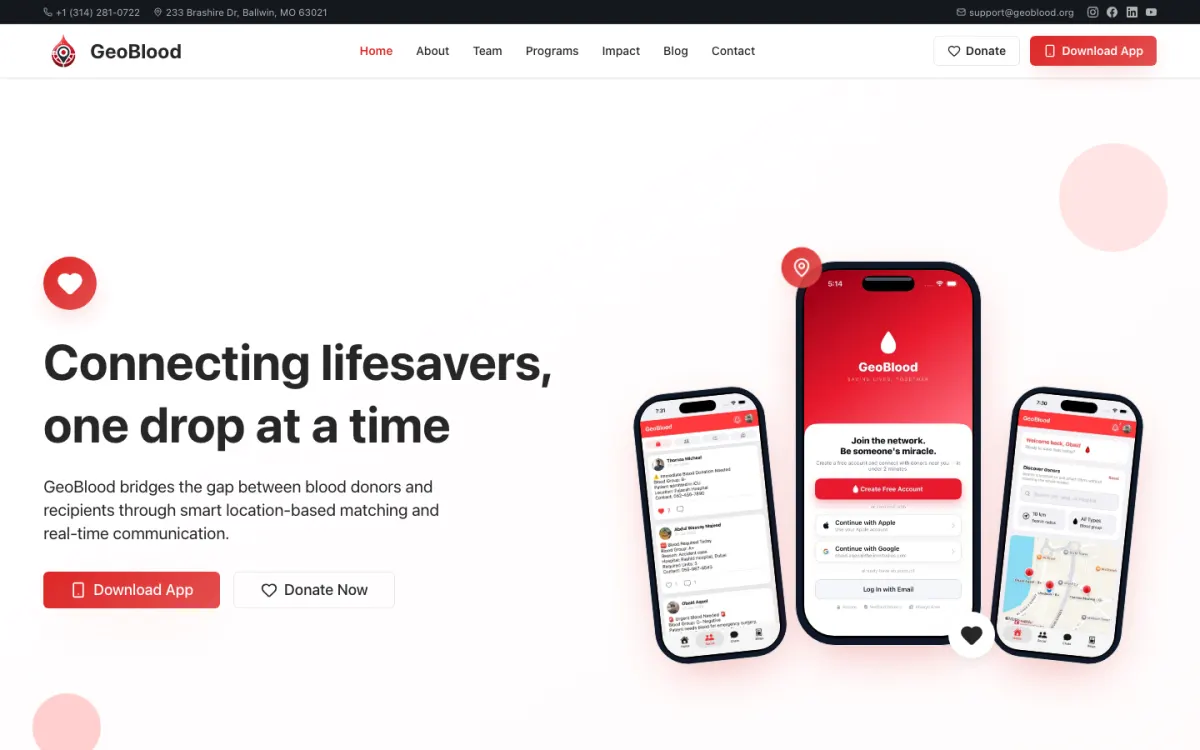

Health Platform
GeoBlood

Mobile Product
GeoBlood App
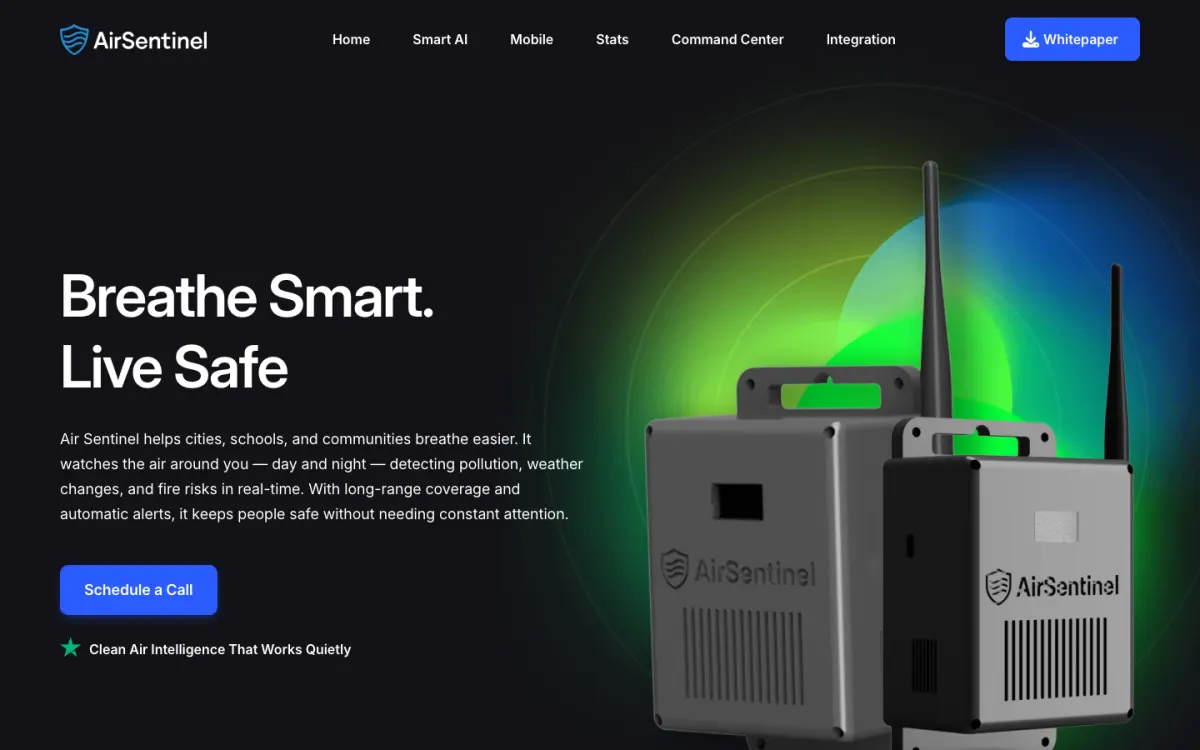

Air Monitoring
AirSentinel


Environmental Tech
BreatheIO


ICT / Security / Systems
Alebdaat


Robotics
MechaBots
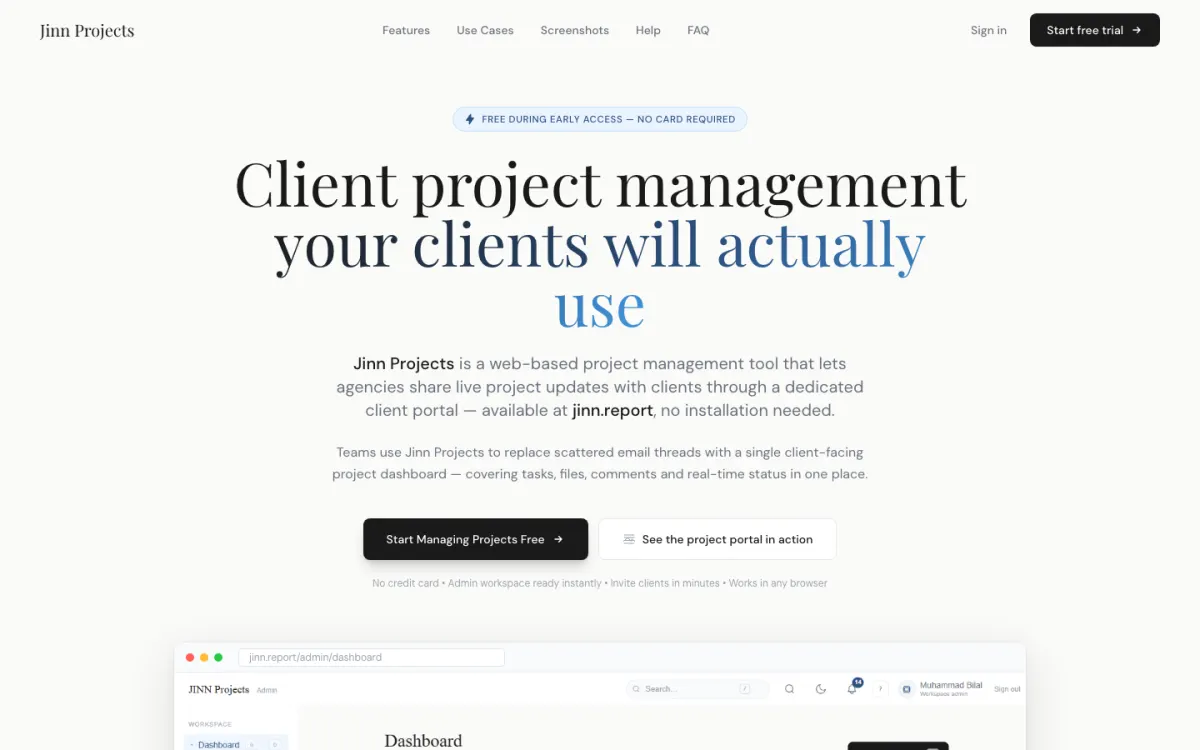

Client Project Workspace
Jinn Reports
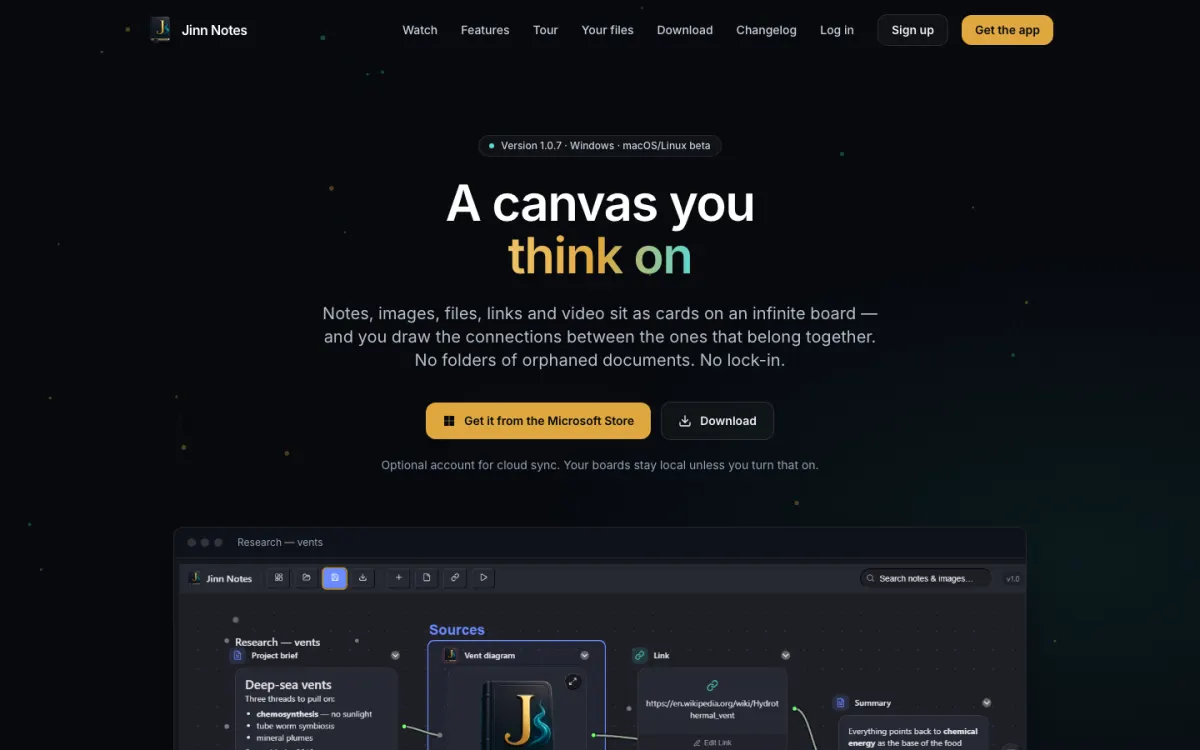

Visual Note-Taking
Jinn Notes


Digital Business Cards
TapTag
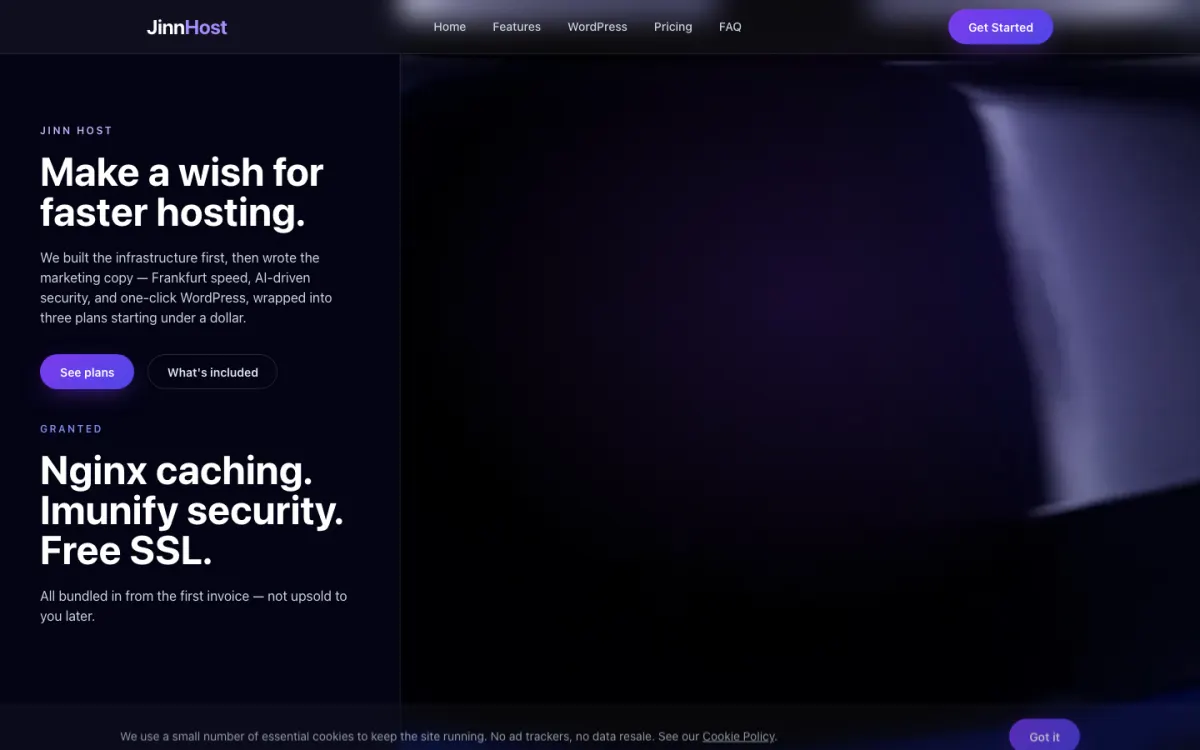

Hosting Infrastructure
JinnHost
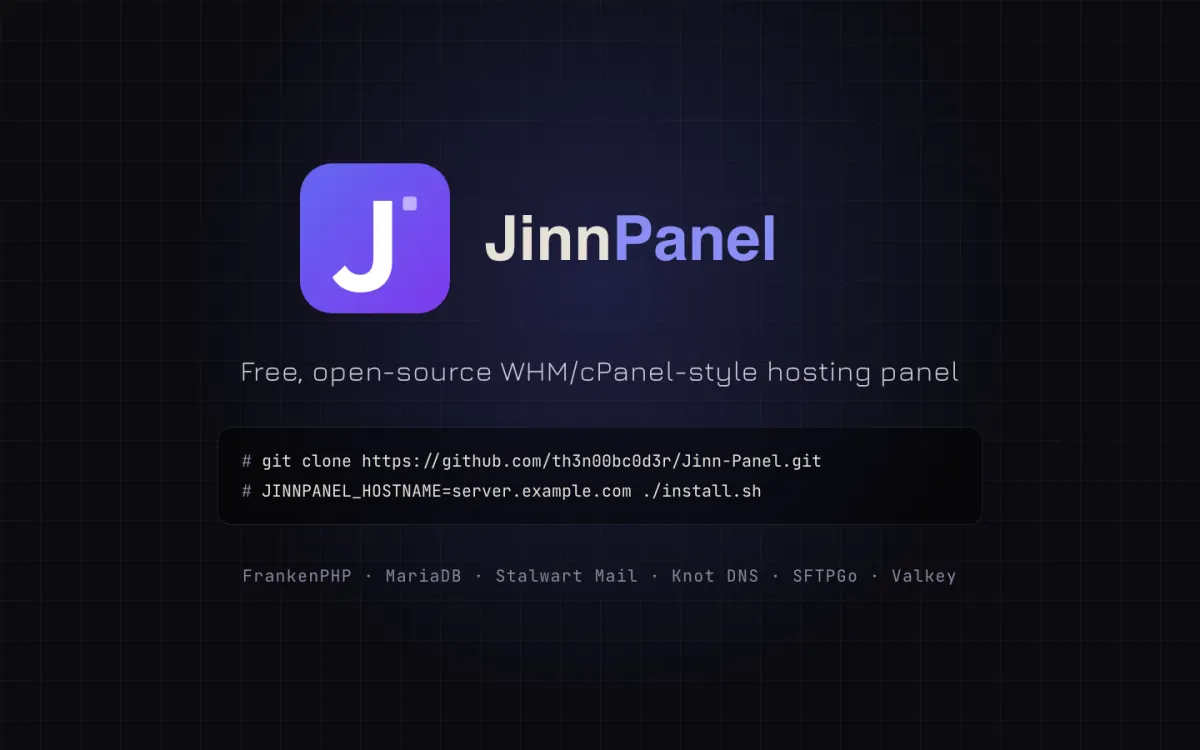
Open-Source Control Panel
Jinn Panel


Game Development Academy
Jinn Academy
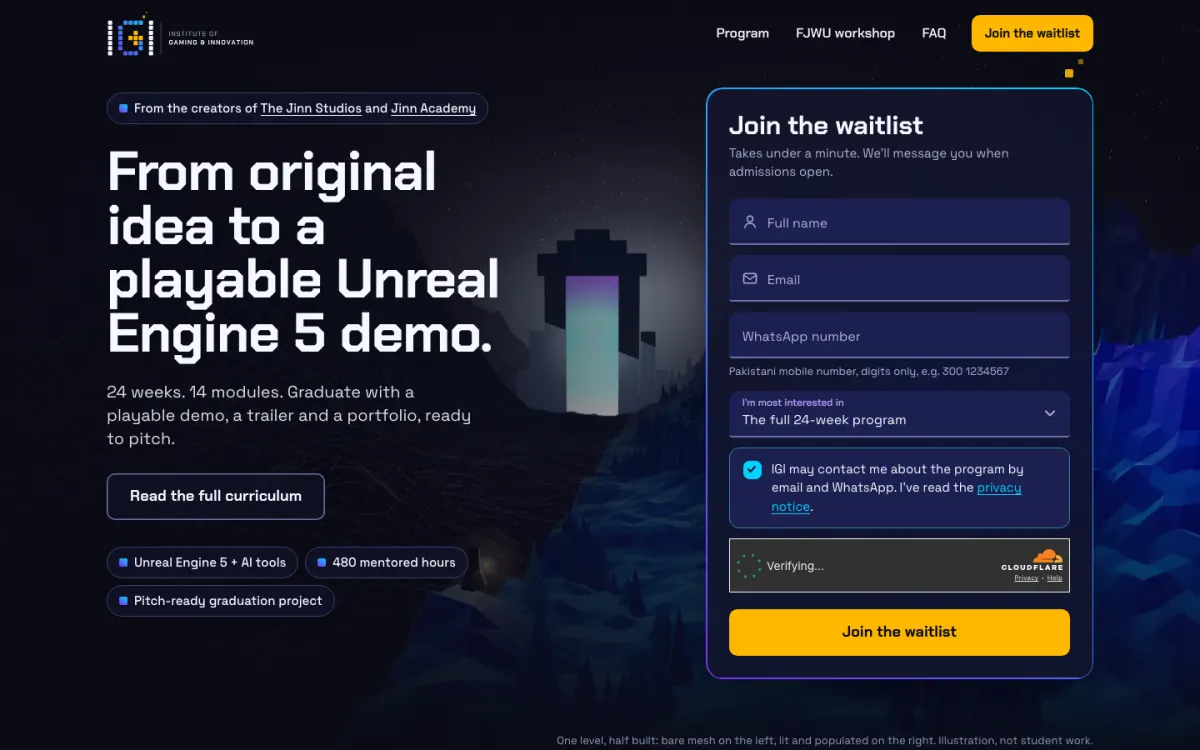

Unreal Engine 5 Program
IGI


Luxury Commerce
SHAZ


Property
Bridgewood
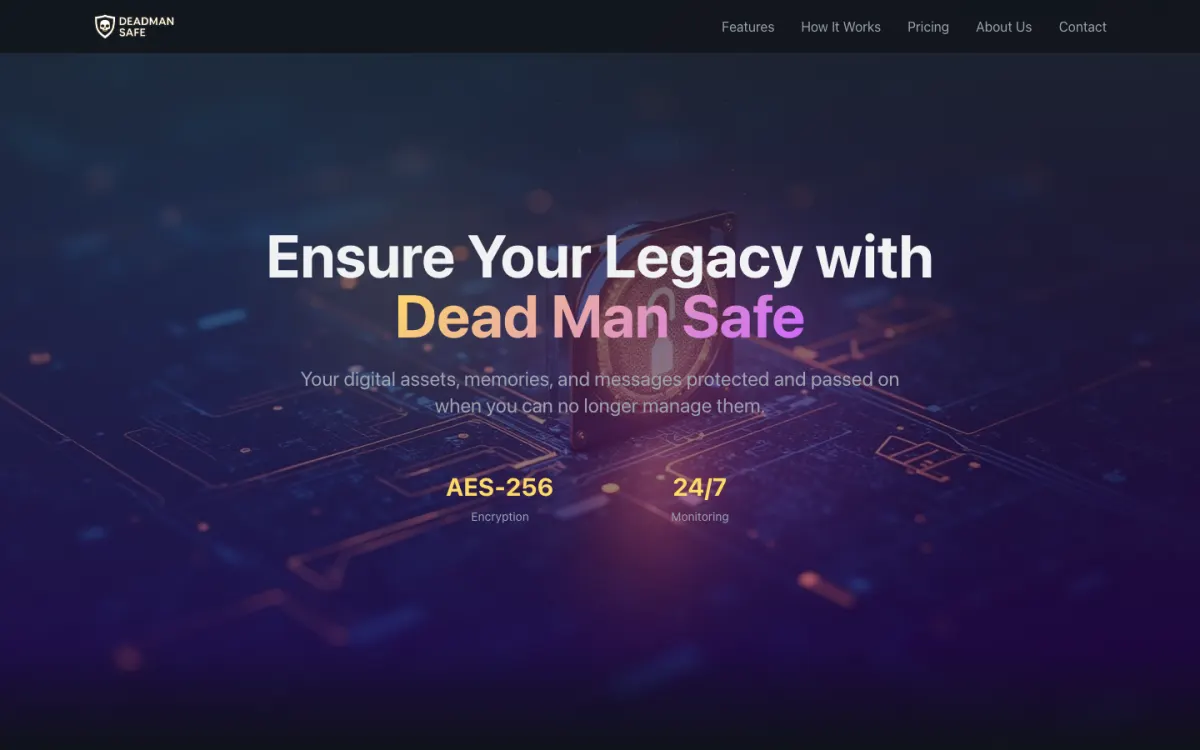

Digital Legacy
Dead Man Safe


Personal Brand
Shorouk Al Abdallah

Studio
Jinn Studios


Entertainment
Cup Entertainment
Start a conversation
Ready to build your
AI system?
Tell us what you are trying to solve. We will assess the problem, evaluate whether the data supports a useful AI system, and tell you honestly what is feasible and what the right approach looks like.
After you reach out
We respond within one business day with an initial assessment of the use case and the questions we would need to answer to determine feasibility.
Discovery session
A 60-minute call to define the problem precisely, review the available data, and understand the system context the AI component needs to operate within.
Technical proposal
A written proposal covering the AI system design, data requirements, integration architecture, timeline, and investment. Including what we need from you to make it work.