Strategy · Jinn Systems
MVP
Development
Company
An MVP development company that starts with validation, not velocity. Before we write code, we make sure you are building the right thing for the right reason.
Our MVP development services are designed for founders and teams who want to reach real users, test real assumptions, and build a clear foundation for what comes next, without spending a full product budget on a first version that guesses.
What we validate before building
- Whether the problem is real and the target user is well-defined
- Which features are needed for validation and which can wait
- Whether the architecture can support the next version without a rebuild
Strategy · MVP Development Company
The common failure
Most startups do not fail because they build badly. They fail because they build the wrong thing.
The pattern is consistent. A founder has a strong conviction about a product. The team starts building. Six months later, there is a working application, a depleted budget, and a user base that either does not exist or does not behave the way the product assumed they would.
The problem was not the development. The problem was the decision to build before the core assumptions were tested. Every product has assumptions: about the user, the problem, the frequency of use, the willingness to pay, the competitive context. When those assumptions are wrong, the entire build is wrong with them.
Building fast without validation is not speed. It is spending faster on the wrong direction. An MVP done properly does the opposite: it produces the minimum output that generates the maximum learning, before the full budget is committed.
What MVP actually means
An MVP is a learning instrument, not a product shortcut.
The word "minimum" in MVP is frequently misread as "cheap" or "basic." It means something different: the minimum scope required to test the most important assumption your product depends on. Not the minimum budget. The minimum scope.
That distinction matters because it changes what you build. A cheap MVP optimises for cost. A proper MVP optimises for the answer to a specific question. Those produce different products, and the cheap version rarely teaches you anything useful.
When we work with a founder to build an MVP, the first question is not "what do you want to build?" It is "what do you need to learn?" The answer to that question determines the scope. Not the other way around.
Who we work with
For teams that want to test before they commit.
Founders
A new product idea that needs real-world contact
You have a product concept and a strong intuition about the opportunity. Before spending a development budget on the full vision, you need to find out if the core assumption is correct.
Startup Teams
Validating a concept before raising or scaling
You are pre-seed or early-stage, operating with limited runway, and need to demonstrate product-market fit evidence to the next conversation, whether that is investors, customers, or co-founders.
Businesses
Testing a new product line or market entry
You have an existing business and are considering a new digital product, service extension, or market. You want to validate the opportunity before building the full system that will support it.
Product Teams
Testing a major feature before adding it to the roadmap
You are managing an existing product and want to validate a significant new capability before committing sprint capacity and engineering resources to building it into the core platform.
Setting the record straight
What an MVP is, and what it is not.
What most people think an MVP is
-
×
A cheap, quick version of the full product
-
×
Something you show investors to raise money
-
×
A prototype with placeholder features
-
×
Something you build fast and replace later
-
×
A way to save money before the "real" build
What an MVP actually is
-
✓
The smallest version of a product that tests the most important assumption
-
✓
A tool to generate evidence before committing full resources
-
✓
A foundation that informs the roadmap, not replaces it
-
✓
Something built to learn, not just to launch
-
✓
Architecture that can grow, not code that needs rewriting
The distinction is not academic. A cheap MVP that teaches you nothing costs the same as a proper MVP that confirms your core assumption, and the cheap version leaves you in the same position of uncertainty you started in. We do not build cheap MVPs. We build the minimum scope required to answer the question that matters most.
Scope of work
What we build for MVP engagements.
01
Web-Based MVPs
Browser-based applications that test your core value proposition with real users. Accessible immediately, no app store friction, and fast to iterate on based on what you learn. The right format for most B2B and SaaS product concepts.
Web Application Development →02
Scalable MVP Platforms
For products with a SaaS model from the start, we build MVPs on an architecture that supports multi-tenancy, subscription management, and the infrastructure needed to grow from early users to paying customers without rebuilding the foundation.
SaaS Development →03
Custom System MVPs
Operational tools, workflow systems, and internal platforms where the MVP tests whether the digitised version of a process works in practice. Scoped around the most critical workflow, not the entire operation.
Custom Software Development →The strategic layer
Before the build, we help you decide what to build.
An MVP engagement starts before any development. We work through the product assumptions with you to determine which features belong in the MVP scope, which can wait, and how to structure the validation so the output is actually useful.
Most founders come in with a feature list. We help them convert that list into a question. The question becomes the scope. The scope becomes the build plan. That is a fundamentally different starting point than "here is what I want, now build it."
If you are not yet sure what the right scope is, our software consulting services are the right first step. That conversation clarifies the assumptions, defines the success criteria, and produces a brief that makes the MVP build significantly more effective.
What to include
Only the features required to test the primary assumption. We use a strict criterion: if removing a feature does not compromise the test, it does not belong in the MVP.
What to exclude
Admin dashboards, reporting layers, settings pages, notification preferences. Useful later. Not useful for proving the core concept. They add cost and delay without adding validation.
How to validate
Define what a successful outcome looks like before the MVP launches. A usage rate, a conversion, a retention figure, or a qualitative signal from early users. Validation without a defined measure produces ambiguous results.
How to structure the roadmap
What happens after the MVP depends entirely on what it teaches you. We define the conditional roadmap: if the assumption is confirmed, here is what gets built next. If it is not, here is what to test instead.
Formats
Types of MVPs we build.
Prototype MVP
A clickable, functional representation of the core user flow. Used to test usability and concept before committing engineering resources to a full build. Ideal for validating whether the UX logic is sound.
Timeline: 2 to 4 weeks
Functional MVP
A working application with real data, real logic, and real user sessions. Covers the primary use case end to end. Users can actually use it and generate the signal you need to make the next decision.
Timeline: 6 to 12 weeks
Scalable MVP
A full functional MVP built on an architecture that can grow into the production version. No shortcuts that need undoing. Chosen when the market validation phase is expected to be short and the path to full build is already reasonably defined.
Timeline: 10 to 16 weeks
Internal Validation Tool
A lightweight internal application used to test whether a digitised process works before exposing it to external users or investing in a full system. Useful for operational MVPs where the hypothesis is about internal adoption, not market fit.
Timeline: 3 to 6 weeks
How we work
How we build MVPs.
01
Idea Validation
We map the core assumptions behind the product idea and identify which one is most important to test. The MVP scope is built around that assumption, not around the feature wishlist.
02
Feature Prioritisation
Each candidate feature is evaluated: does it test the assumption? Is it required for a user to complete the core flow? If the answer to both is no, it moves to a later phase.
03
Architecture Planning
The architecture is designed for where the product is going, not just the MVP. Data model, API structure, and infrastructure choices are made so the MVP can grow, not so it has to be rebuilt.
04
Development
Iterative development with working builds reviewed at regular intervals. You see the product taking shape throughout, not just at handover. Fast feedback loops, clear priorities.
05
Testing & Iteration
QA covers the core user flows thoroughly. Edge cases in non-critical paths are noted but not blocked on. The goal is a product that works reliably for the validation audience, not a perfect production system.
06
Feedback Loop
Launch is not the end. We help structure the feedback collection framework so the data from early users is readable and actionable. The output feeds directly into the next decision: iterate, pivot, or scale.
In practice
How MVP thinking changes outcomes.
Case 01
A founder with a product idea and three competing directions
Context
A founder in the B2B SaaS space had identified a real problem in their industry. They had a product concept but were unsure whether to prioritise the analytics layer, the workflow automation, or the integration with existing tools. Three different development agencies had given three completely different scoping recommendations.
Approach
A strategy session identified the single question the market could actually answer: would users change their current process to use this? The MVP was scoped around the one workflow that would answer that question. Two of the three product directions were deferred. The development cost was reduced by roughly 60% relative to the most expansive quote.
Outcome
The MVP launched to 12 design partners within 10 weeks. Usage data confirmed that the core workflow had adoption, but the assumed frequency of use was incorrect. That finding reshaped the pricing model and the onboarding flow before the full build began, avoiding a costly post-launch redesign.
Case 02
A business digitising a manual operations process
Context
A mid-sized logistics company had been managing a core operational process on spreadsheets and manual communication for years. The operations team had documented a 40-point requirements list for a digital system. The initial development quote came in at a figure that required board approval.
Approach
The requirements list was reviewed against what the operations team actually needed in the first three months. 28 of the 40 requirements were legitimate but belonged in phase two. An internal validation MVP covering the four most critical workflows was built and deployed to one operations team for 30 days.
Outcome
Real usage revealed that two of the four workflows needed to be redesigned before they would be adopted. The other two were adopted within the first week. The validated workflows became the foundation for the full system architecture, which was significantly better than the original specification because it was based on actual behaviour rather than assumptions.
Case 03
A startup that had already built too much
Context
An early-stage startup had spent eight months building a feature-rich SaaS product. The platform had seven modules, an admin panel, a reporting dashboard, and a notification system. It had 11 active users. The team was preparing to raise a seed round but could not clearly articulate what the product's core value was.
Approach
An audit identified the one module that all 11 users were actually using repeatedly. The other six modules had no meaningful engagement. The product was repositioned around the one working module. A stripped-down version was made the primary onboarding path. The other modules were deprioritised from the investor narrative.
Outcome
User activation improved significantly when the onboarding focused on the one thing that worked. The founder had a clearer story for investors. The roadmap was restructured around deepening the validated module rather than adding more unvalidated ones. Less product, better results.
What to avoid
The mistakes most founders make before they reach us.
Building too much too early
The feature list grows because the team is excited, investors want to see capability, and removing features feels like losing ground. But every feature added before validation is a feature that may need to be removed after it. The cost is not just development time. It is the cognitive overhead of maintaining a product that is more complex than the validation requires.
Focusing on features instead of value
A product pitch that leads with features is a product that has not yet understood why the user would choose it. The question is not what it does. The question is what problem it removes from the user's day. Products built around that answer are smaller, simpler, and more adoptable than products built around capability lists.
Skipping validation entirely
The logic is usually: we know the market, we know the customer, we know what they need. Sometimes that is true. More often it is partial. Even teams with genuine domain expertise are surprised by what real users actually do with a product versus what they said they would do in a research conversation.
Hiring developers without a clear scope
A development team hired without a defined scope will build what they understand from the conversation. That produces a product shaped by developer interpretation, not founder intent. The scope conversation needs to happen before the development conversation, not during it. That is the purpose of a strategy session before startup MVP development begins.
The UAE context
Building an MVP in
the UAE startup ecosystem.
The UAE startup ecosystem has matured considerably over the past decade. Dubai and Abu Dhabi have active venture communities, government-backed accelerators, and a growing base of founders building across fintech, proptech, logistics, and enterprise software. The access to early adopters and pilot customers is genuinely good compared to many other markets.
What has not kept pace is the quality of pre-build thinking. The market moves fast and the pressure to show progress is high. Founders working with a web development company in Dubai frequently report the same pattern: the agency started building while the scope was still in flux, and the resulting product reflected that ambiguity.
The UAE market also has bilingual requirements, regional payment integrations, and compliance considerations that need to be in the architecture from the start. An app development company in Dubai that understands these constraints before the first sprint is worth significantly more than one that discovers them halfway through.
We work with UAE founders from the planning phase. The goal is to ensure that when the build starts, the scope is clear, the assumptions are defined, and the architecture can support both the local market requirements and the eventual ambition.
Headquarters
Sharjah, UAE
UTC+4 (GST)
Industries served
Fintech, Proptech
Logistics, SaaS, Enterprise
Languages
English & Arabic
RTL support from architecture
What comes next
From MVP to full product.
An MVP that validates its core assumption creates a clear mandate for what gets built next. The validated scope, the user behaviour data, and the architecture decisions made during the MVP phase all feed directly into the full product build.
Because our MVPs are built on architectures designed for growth, the transition from MVP to full software development is an extension, not a rewrite. The data model supports the next phase. The API structure accommodates new modules. The infrastructure scales rather than requiring replacement.
For products with a SaaS model, the MVP architecture specifically accounts for multi-tenancy, subscription billing, and the onboarding flows needed for the SaaS product phase. The MVP is the first version of a product, not a throwaway prototype that precedes it.
Validate
MVP tests the core assumption with real users. Output: validated scope and user behaviour data.
Define
Findings from the MVP inform the full product scope. Roadmap is structured around what worked and what needs to change.
Scale
Full product development begins on a validated foundation. Architecture extends, not rebuilds. Development moves faster on a clear brief.
Recent work
Systems we have shipped
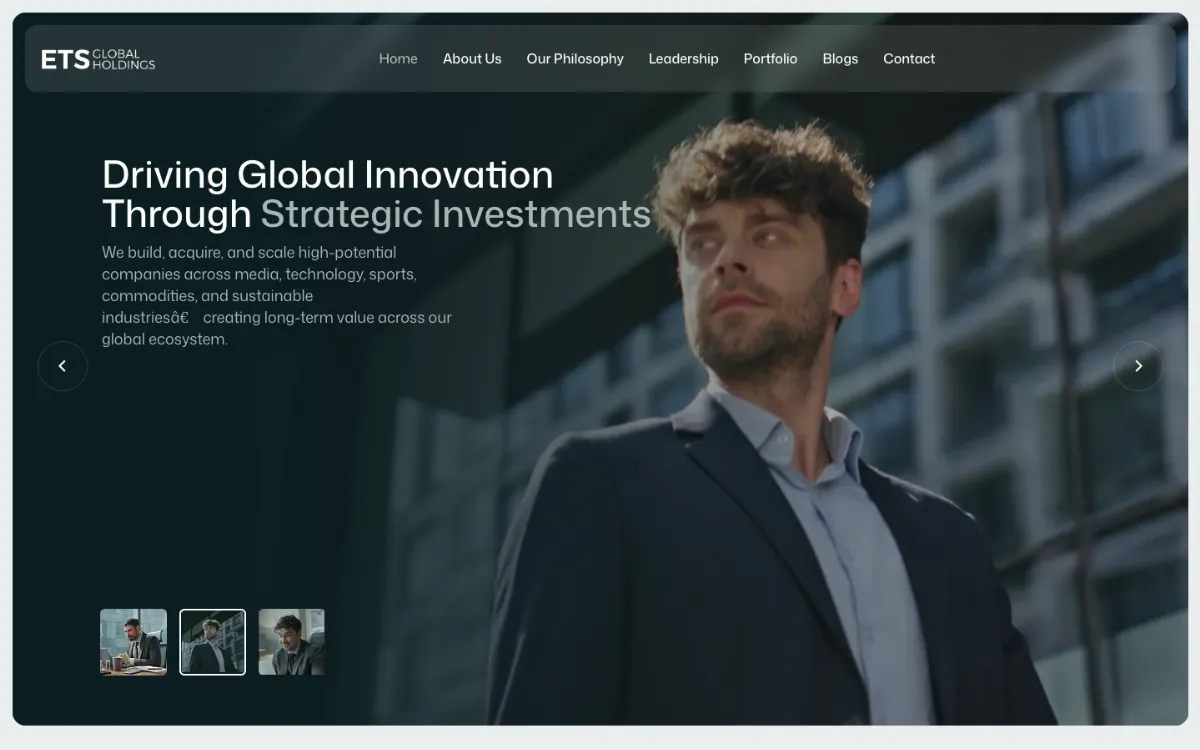

Multi-Brand Group
ETS Group
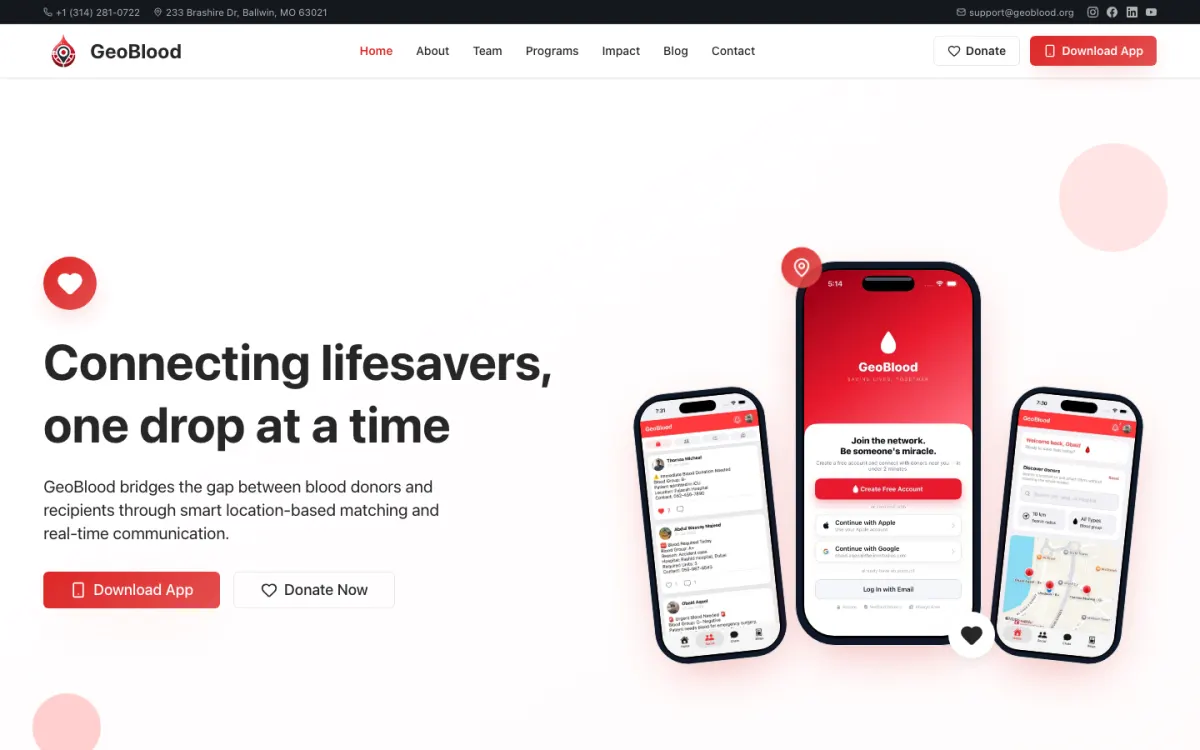

Health Platform
GeoBlood
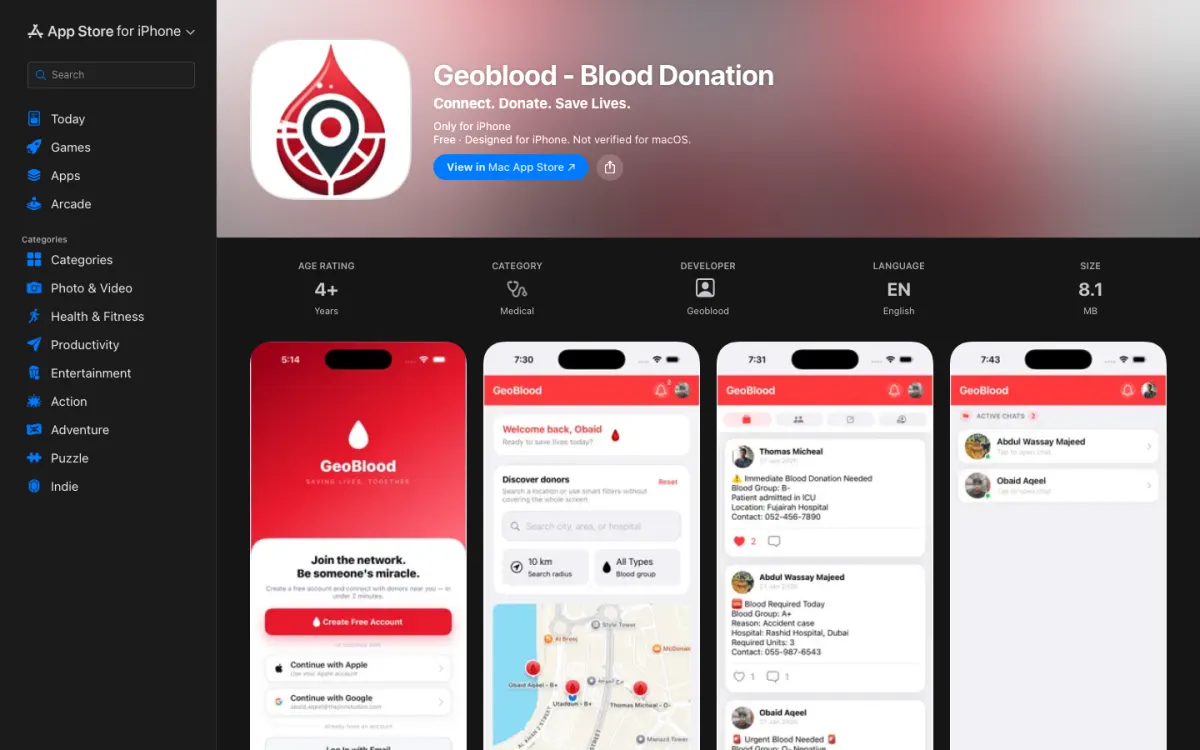
Mobile Product
GeoBlood App
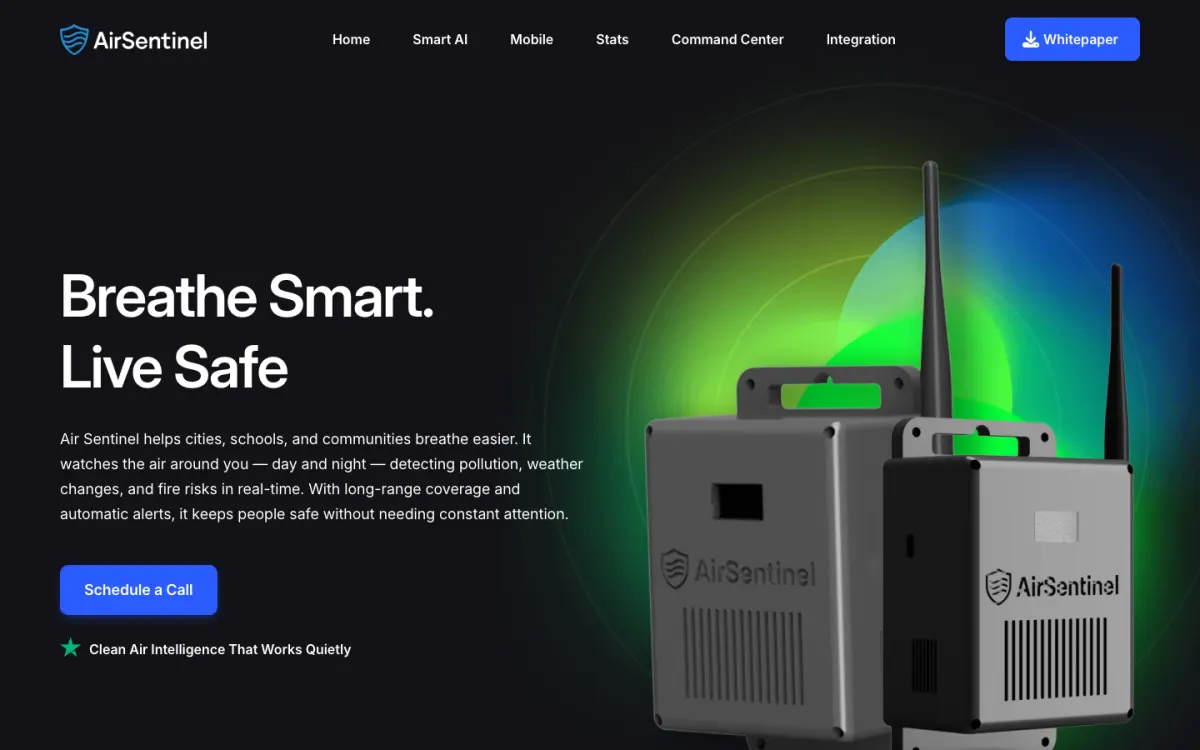

Air Monitoring
AirSentinel

Environmental Tech
BreatheIO
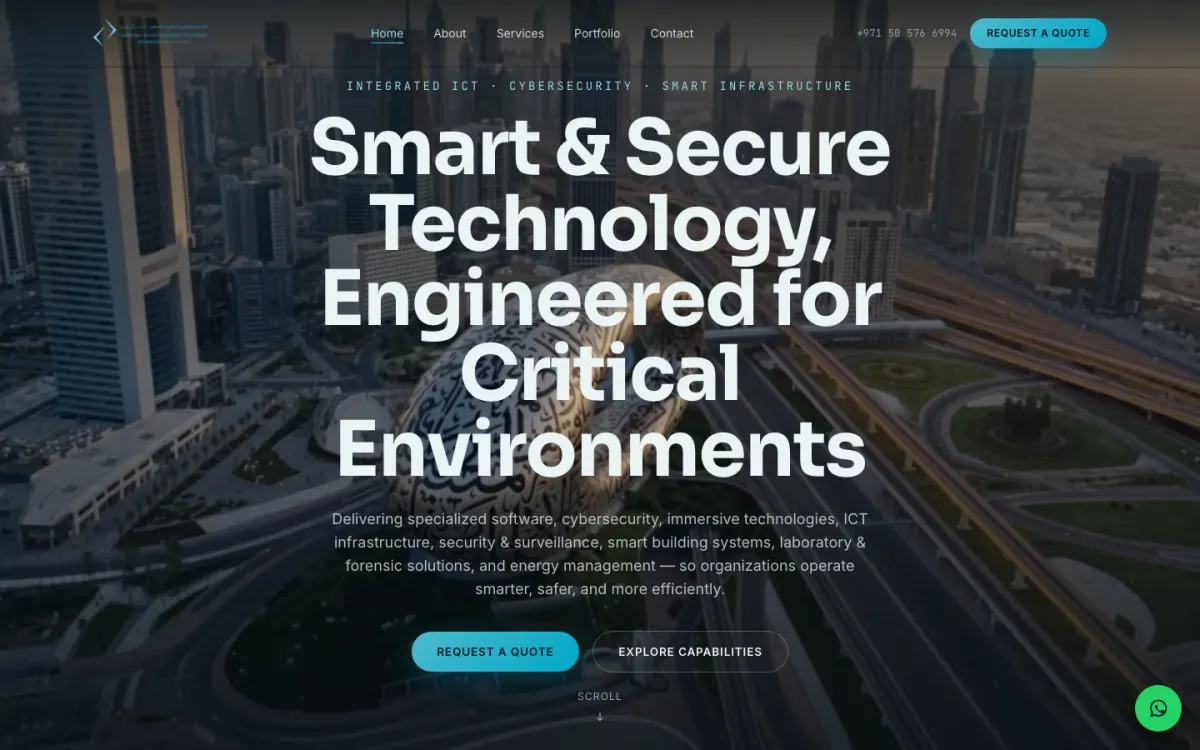

ICT / Security / Systems
Alebdaat
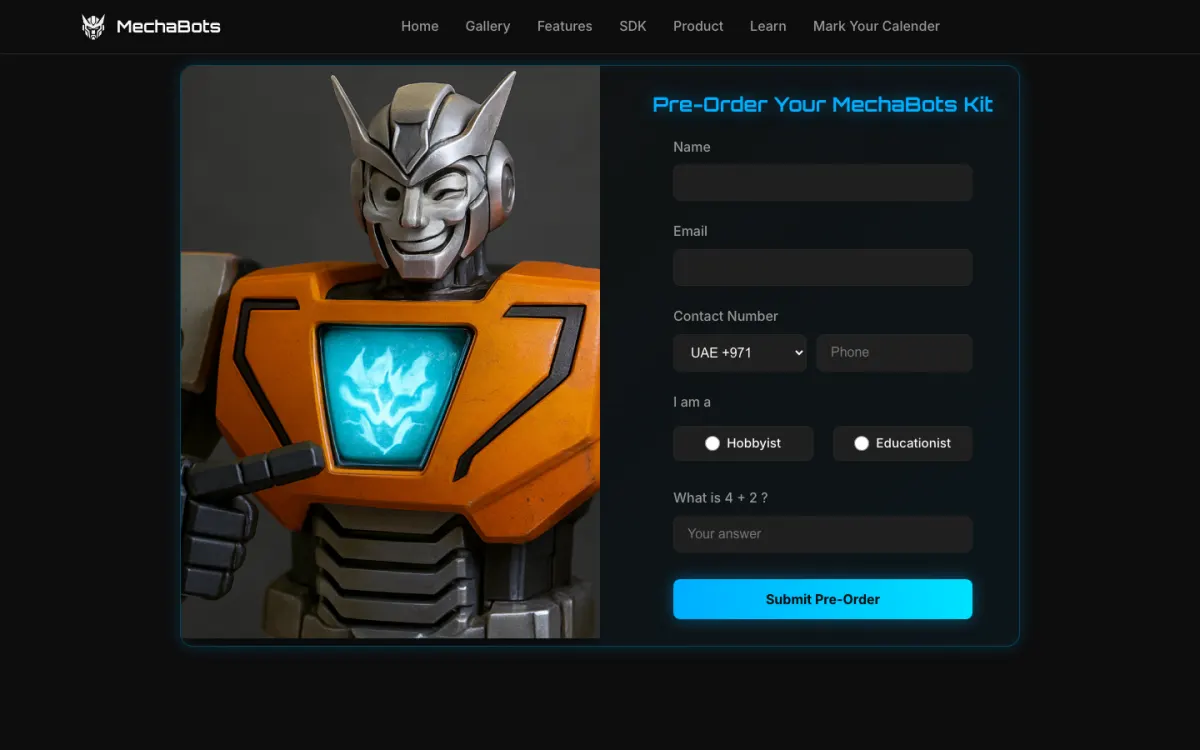

Robotics
MechaBots
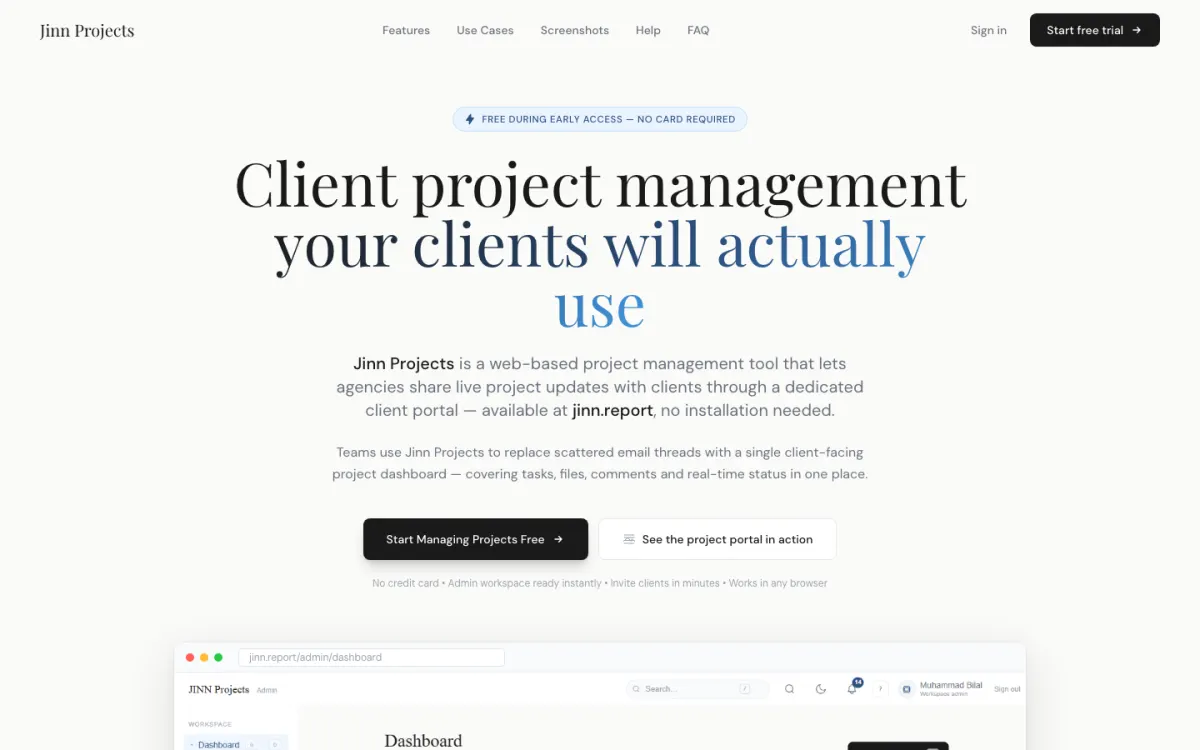

Client Project Workspace
Jinn Reports
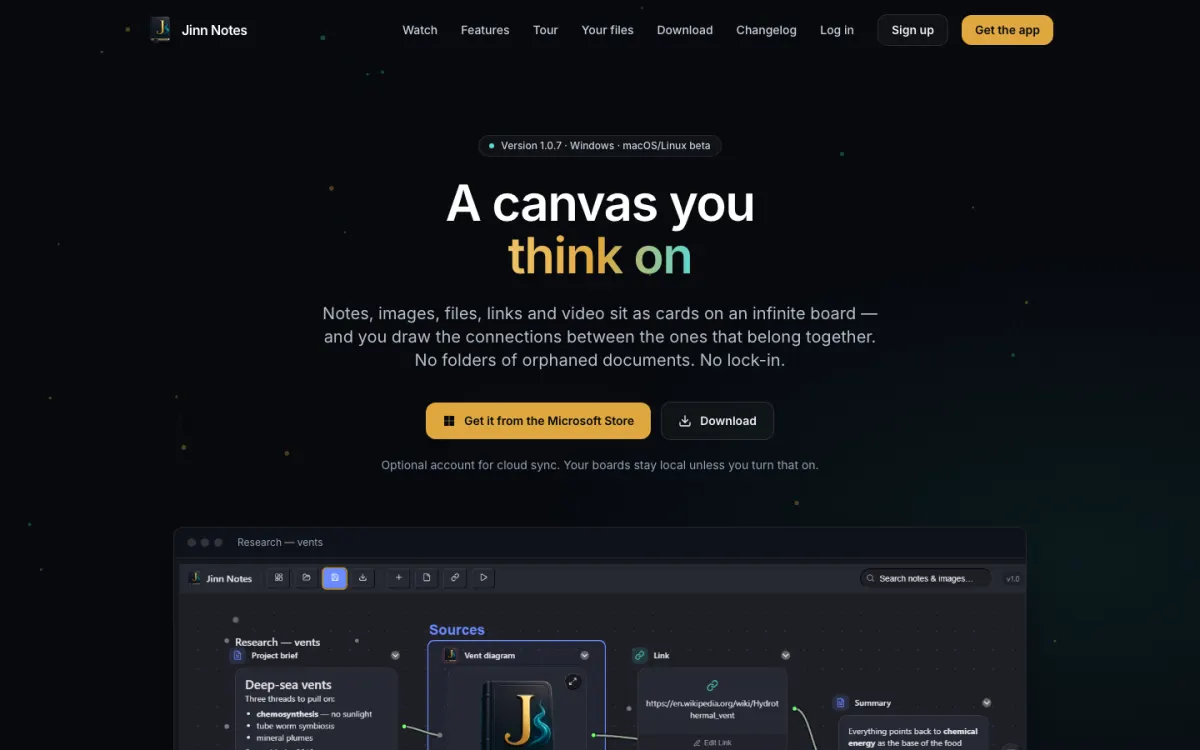

Visual Note-Taking
Jinn Notes
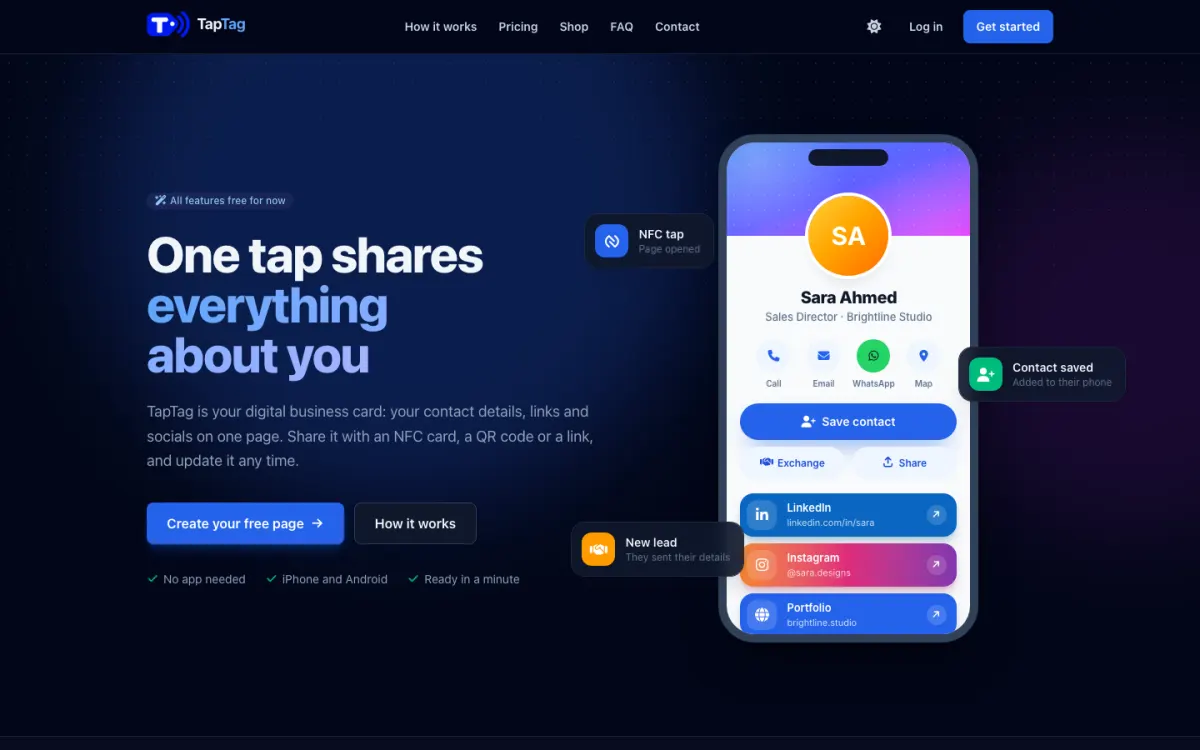

Digital Business Cards
TapTag

Hosting Infrastructure
JinnHost
Open-Source Control Panel
Jinn Panel

Game Development Academy
Jinn Academy

Unreal Engine 5 Program
IGI

Luxury Commerce
SHAZ
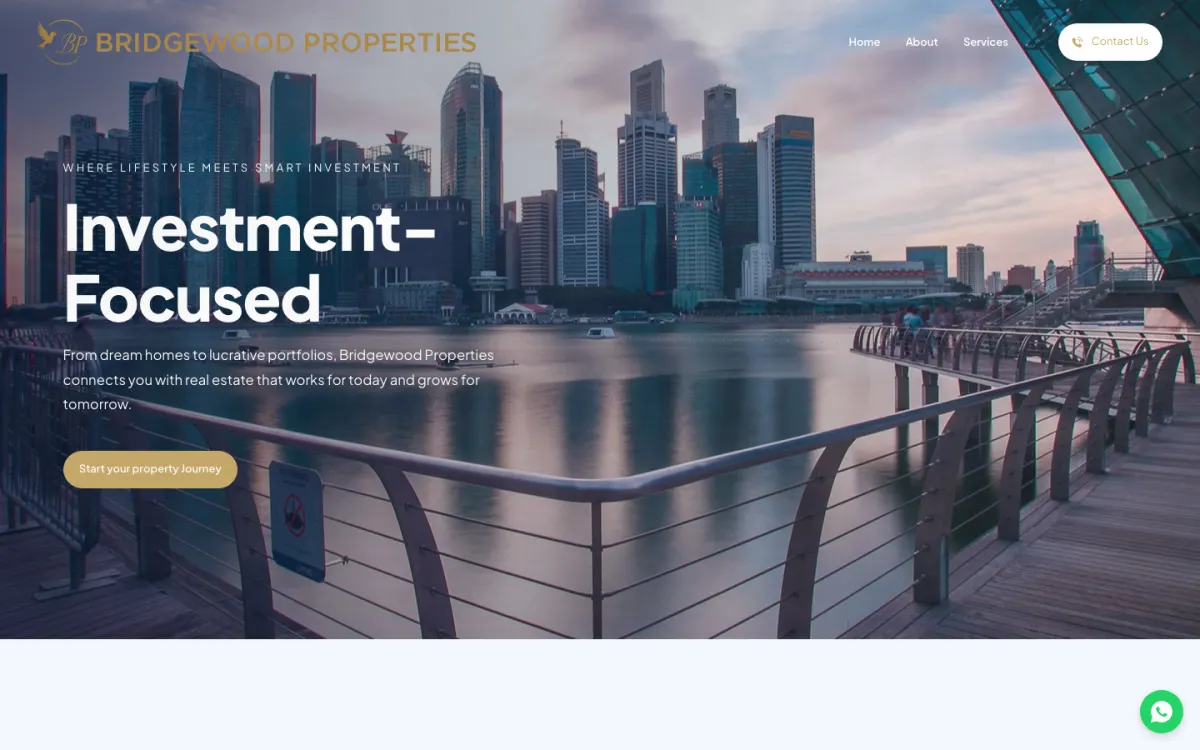

Property
Bridgewood
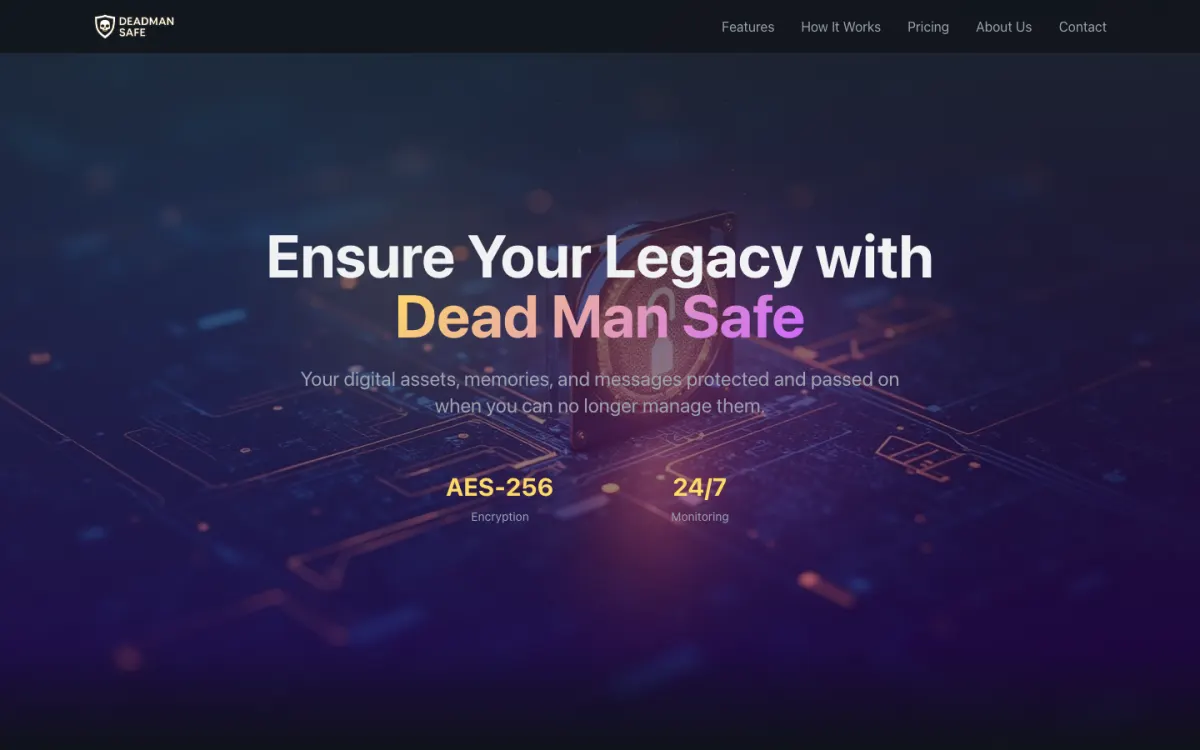

Digital Legacy
Dead Man Safe
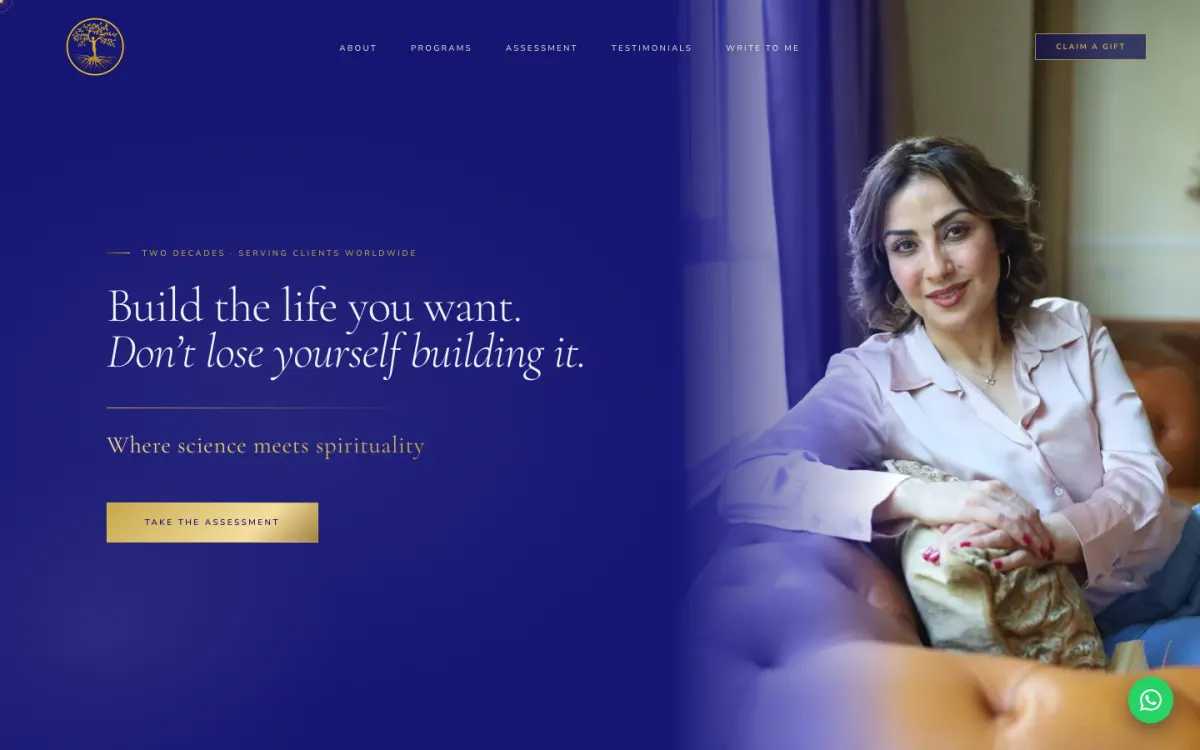

Personal Brand
Shorouk Al Abdallah
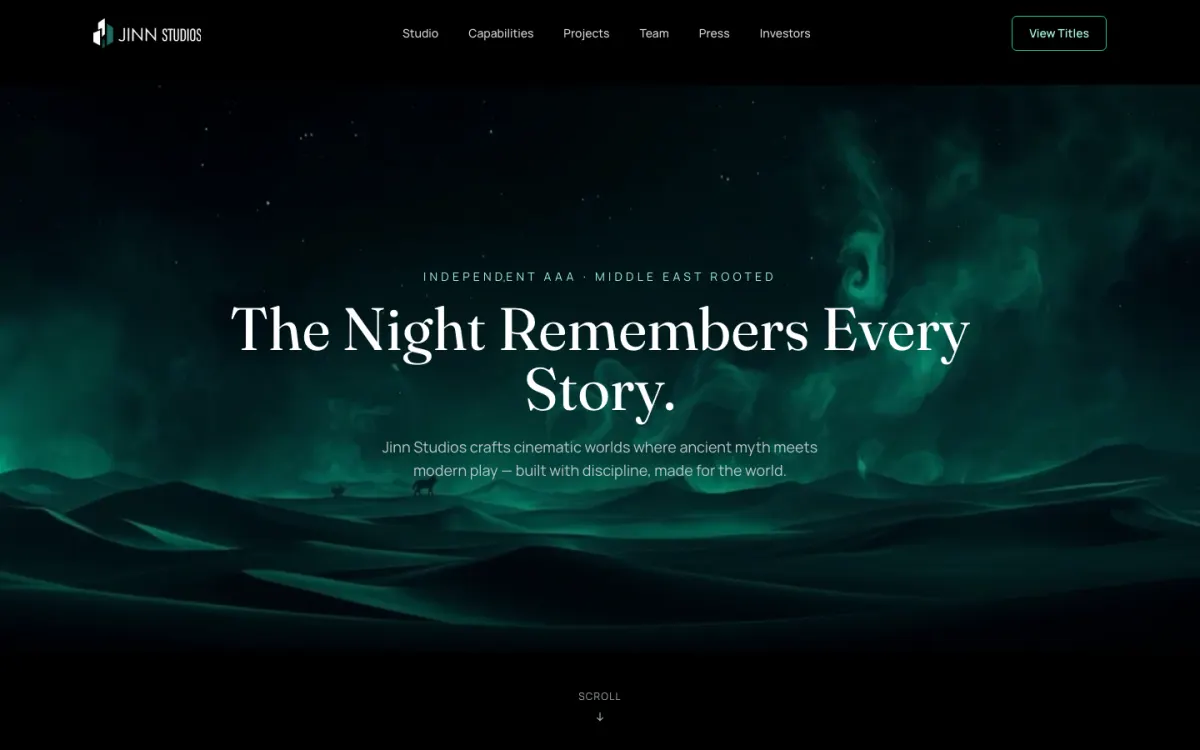

Studio
Jinn Studios

Entertainment
Cup Entertainment
Ready when you are
Start with the right question.
Build the right answer.
If you have a product idea and want to find out whether it deserves a full build, that conversation starts here. We will help you define what needs to be tested, what it will take to test it, and what a successful outcome looks like.
After you reach out
We respond within one business day with an initial read on the product idea and suggested format for the first conversation.
Strategy session
A 45-minute call to map the core assumptions, identify the most important one to test, and agree on what a valid MVP scope looks like.
MVP proposal
A written proposal covering the validated scope, chosen MVP format, timeline, and investment. No guesswork. No scope creep by design.