Development · Jinn Systems
Mobile App
Development
Mobile app development is not just writing code for a small screen. It is product thinking, architecture, backend infrastructure, and user experience working together from the first decision.
Jinn Systems is a mobile app development company that builds iOS, Android, and cross-platform applications for founders and businesses that need software to perform under real-world conditions, not just in a demo.
What we bring to every project
- Product strategy review before any development begins
- Backend architecture built for scale, not just the launch version
- Post-launch support included on all engagements
Services · Development · Mobile App Development
Why most apps fail
They were built before the product was understood.
Most failed mobile applications share the same root cause: someone started building before they knew what they were actually building. The feature list was defined in a kickoff meeting, the design was handed to a developer, and six months later the team had an app that did not match how users behaved or what the business actually needed.
Poor UX is the visible symptom. The underlying problem is a lack of product thinking. Users do not install apps because they look good. They keep using them because the app solves a specific problem quickly and without friction. That clarity has to exist before the first screen is designed.
Weak architecture is the second failure mode. An app that works for 500 users but falls apart at 50,000 is not a technical problem that appears late. It is an architectural decision that was made, or not made, at the start.
The approach that works
Build the product. Then build the app.
We treat every mobile app development engagement as a product problem first. Before wireframes, before code, we work through what the app needs to do, who it is for, how those users behave, and what the architecture needs to support that at scale.
That thinking produces a better brief, a better architecture, and a better product. It also produces fewer surprises mid-build, because the hard decisions were made before they became expensive to change.
Custom mobile app development done this way takes longer to start and less time to complete. The apps ship with fewer defects, handle real user behaviour, and do not require a full rebuild at the first significant growth event.
01 — Product before pixels
We define what the app needs to do and for whom before anything is designed or built. The product brief shapes everything that follows.
02 — Backend built to grow
The server-side architecture is designed for the scale you are heading toward, not just the users you have at launch. Data modelling, API design, and infrastructure are planned early.
03 — UX grounded in behaviour
Interface decisions are based on how real users interact with mobile software, not on what looks impressive in a portfolio. Clarity and speed in the critical flows first.
Who we work with
For teams building something that has to work.
Startups
Building a mobile product from scratch
You have a product vision and need a mobile app that can reach the App Store or Play Store fast, attract early users, and handle growth without a full rebuild at Series A.
MVP Development →Businesses
Launching a customer-facing mobile app
You have an existing product or service and need a mobile channel that extends it properly, with the right UX, the right backend integration, and the right performance on real devices.
Custom Software →Operations
Digitising field operations or services
Your team works in the field, on-site, or away from a desk and needs a mobile tool built around how that work actually happens. Offline support, GPS, device integrations, and simple flows for people under pressure.
Software Consulting →Founders
Validating an idea in the market
You need to reach real users, learn from how they use the product, and iterate quickly. Good mobile app development services for this stage means building the minimum that teaches you the most.
MVP Development →Scope of work
What we build.
Custom Mobile Applications
01iOS and Android applications designed around a specific product problem. No templates adapted to look like something else. Purpose-built from the data model up, with a backend that reflects your actual business logic.
SaaS Mobile Companions
02Mobile interfaces for SaaS products that give users access to their core workflows on the go. Designed around what users actually need on a phone, not a shrunk version of the web dashboard.
Business System Apps
03Mobile front-ends for internal business systems: inventory management, field reporting, approval workflows, service delivery. Connected to your backend, built for the people doing the work.
CRM-Integrated Apps
04Mobile applications connected to CRM systems, enabling sales teams, account managers, or service staff to access and update customer records, pipelines, and interactions from anywhere.
Location
Mobile app development
in the UAE.
Jinn Systems is based in Sharjah and works with clients across Dubai, Abu Dhabi, and internationally. The UAE mobile market has specific considerations that affect how apps are built: Arabic RTL support, regional payment gateways including network-specific integrations, App Store and Play Store localisation for the MENA region, and compliance with UAE data residency requirements where applicable.
We have delivered mobile applications for UAE businesses in real estate, logistics, on-demand services, and enterprise operations. We know the constraints before they become your problem mid-build.
For clients outside the UAE, our UTC+4 timezone gives us working overlap with both European and Asian markets. We operate with a communication style designed to reduce your management overhead, not add to it.
Serving clients across
Headquarters
Sharjah, UAE
UTC+4 (GST)
Platforms
iOS & Android
Native and cross-platform
Languages
English & Arabic
Full RTL support
Response
Same business day
For all UAE clients
Application types
Types of mobile apps we build.
Customer-Facing Apps
Apps your customers download to interact with your product or service. The first impression of your brand on the most personal device they own. Performance, speed, and UX clarity are not optional here.
SaaS Companion Apps
Mobile interfaces that extend a web-based SaaS product. Built around the subset of workflows that genuinely need to happen on a phone, with clean handoff between mobile and desktop contexts.
Internal Business Apps
Tools for your own team: field operations, inspections, delivery management, on-site data capture. Designed for the actual conditions of use, including low connectivity, fast input, and role-based access.
Marketplace Platforms
Two-sided mobile platforms connecting buyers and sellers, service providers and clients, or any other supply-demand pairing. Payment flows, trust mechanisms, notification systems, and the backend matching logic that makes them work.
On-Demand Service Apps
Apps built around real-time service requests: booking, dispatch, tracking, and fulfilment. Location services, push notifications, and backend event systems that handle the live state of a service in motion.
Enterprise Mobile Apps
Mobile applications deployed within large organisations: MDM compatible, SSO integrated, compliant with enterprise security policies. Built to work within IT governance requirements, not despite them.
Our process
How we build mobile apps.
01
Discovery & Strategy
We map the product problem, define user personas, identify the core use cases, and agree on what success looks like before anything is designed.
02
UX Planning
User flows, information architecture, and wireframes that reflect how people actually use mobile apps. Validated before visual design begins.
03
Architecture Design
Backend API design, data models, third-party integrations, and infrastructure are documented before development starts. No guessing about scale after launch.
04
Development
Iterative builds with working app previews on a defined cadence. You test on real devices throughout the project, not just at handover.
05
Testing & Iteration
Device testing across iOS and Android versions, automated regression tests, performance profiling, and user acceptance testing before App Store and Play Store submission.
06
Launch & Scaling
Store submission, infrastructure monitoring, crash reporting, and a post-launch support window included as standard. Your team is not alone on day one in the App Store.
Platform strategy
iOS, Android, and the cross-platform decision.
Native iOS
Swift & SwiftUI
Maximum performance and platform integration. Best for apps where the iOS experience is core to the product: use of Face ID, ARKit, HealthKit, or other Apple frameworks. Higher build cost, highest quality ceiling.
Native Android
Kotlin & Jetpack
Purpose-built for Android devices, including the full range of hardware configurations present in the UAE and MENA market. Best where the Android user base is dominant or where deep Android integration is needed.
Cross-Platform
React Native & Flutter
A single codebase that runs on both iOS and Android. Near-native performance for most use cases. Best for products where speed to market, budget, and consistent parity across platforms outweigh platform-specific features.
How we decide
The native versus cross-platform question is not a preference debate. It is a product decision based on your user base, the features you need, your timeline, and your budget. We walk through that decision with you during discovery and give you a clear recommendation with the reasoning behind it.
Root causes
Why most mobile apps fail in production.
01 — No strategy
Building the wrong thing, well
The app works as built. The problem is what was built does not match how users actually behave. Features no one uses, flows that create friction at the wrong moment, onboarding that loses people before they see the value. Strategy is what prevents this.
Our fix: product strategy session before any design or code
02 — Poor UX
Good-looking apps people stop using
Mobile UX is not the same as web UX. Touch targets, gesture navigation, screen transitions, offline states, and one-thumb reachability are all real constraints. Ignoring them produces apps that look fine in Figma and fail in users' hands.
Our fix: UX grounded in mobile behaviour patterns, not aesthetics
03 — No scalability planning
Apps that cannot survive their own success
The backend that handled 1,000 users fails at 10,000. The push notification system that worked in testing cannot handle a product launch. These are architectural decisions made early and discovered late.
Our fix: backend architecture reviewed before the first sprint
Technology
How we think about the stack.
Performance
App startup time, frame rate, and network request latency are specified upfront. We do not wait until the app is built to find out it is slow.
Backend Integration
The mobile app is one layer of a larger system. We design the API contract between the app and the backend so both can evolve independently without breaking each other.
Offline Support
Mobile apps operate in the real world, where connectivity is unreliable. We design the data synchronisation and offline state handling appropriate to your use case from the start.
Real-World Usage
We test on real devices across the target hardware range, not just the latest flagship. Battery impact, memory usage, and behaviour under poor signal are part of QA, not afterthoughts.
Commonly used technologies
Stack selection follows your product requirements, not our preferences. We recommend what fits the problem, not what we used last time.
Explore by location
Mobile and web app development across the UAE.
Dubai
App Development Company Dubai
iOS, Android, and web application development for Dubai businesses, startups, and enterprises. Arabic support, UAE payment gateways, and mobile-first architecture for the Dubai market.
View page →Dubai Web
Web Development Company Dubai
Custom web applications, SaaS platforms, and enterprise systems for Dubai businesses. DIFC, DMCC, DED, and RERA market context built into the architecture from requirements.
View page →UAE
Web Development Company UAE
Web and application development across all seven emirates. UAE-wide regulatory context, FTA VAT compliance, Arabic support, and UAE payment gateway integration for every project.
View page →Recent work
Systems we have shipped
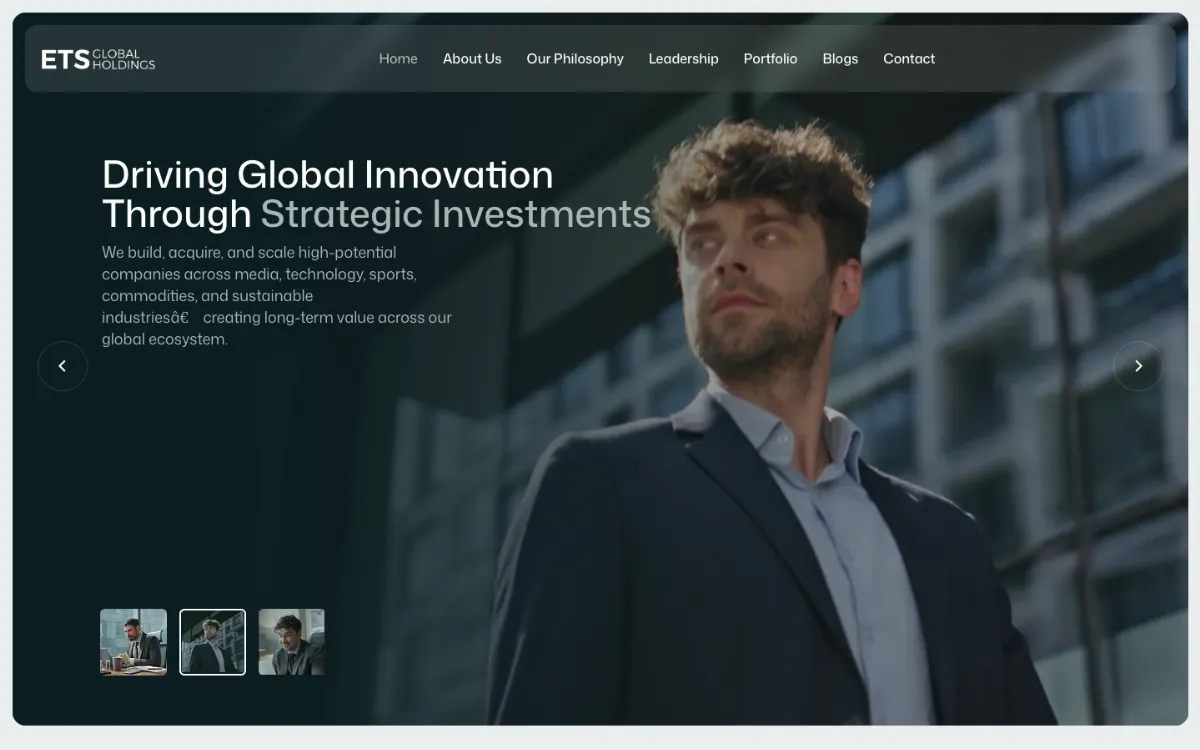

Multi-Brand Group
ETS Group
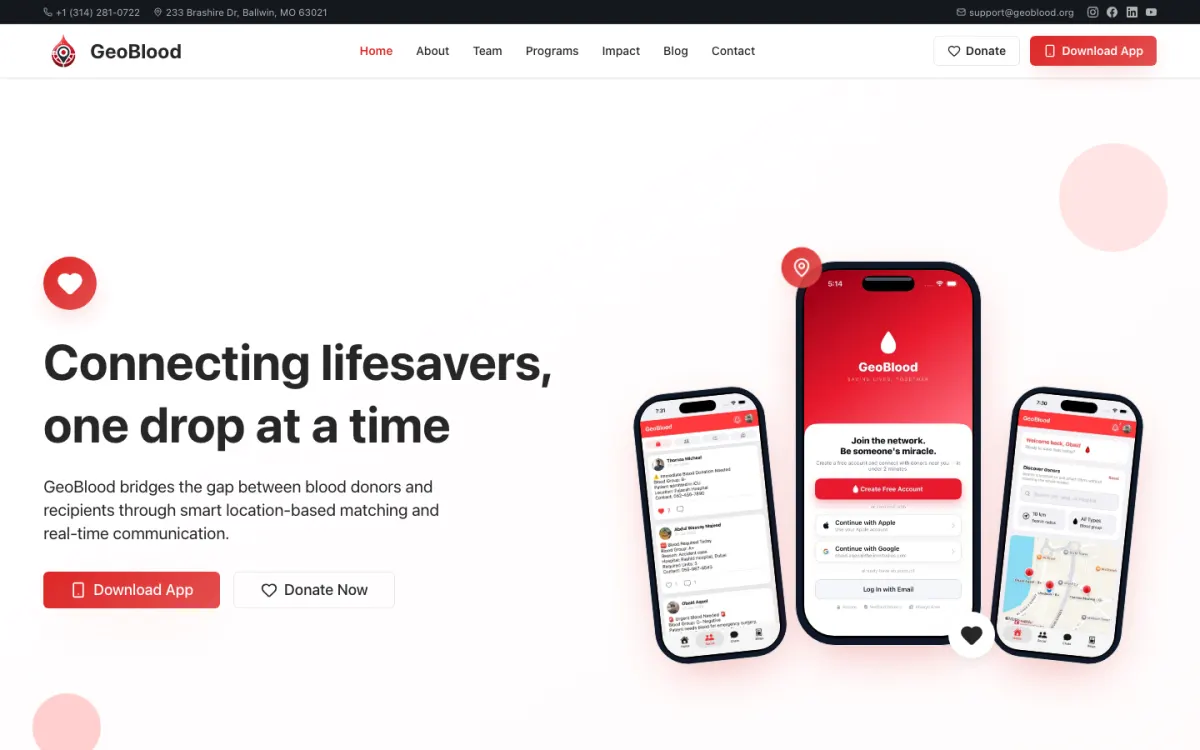

Health Platform
GeoBlood
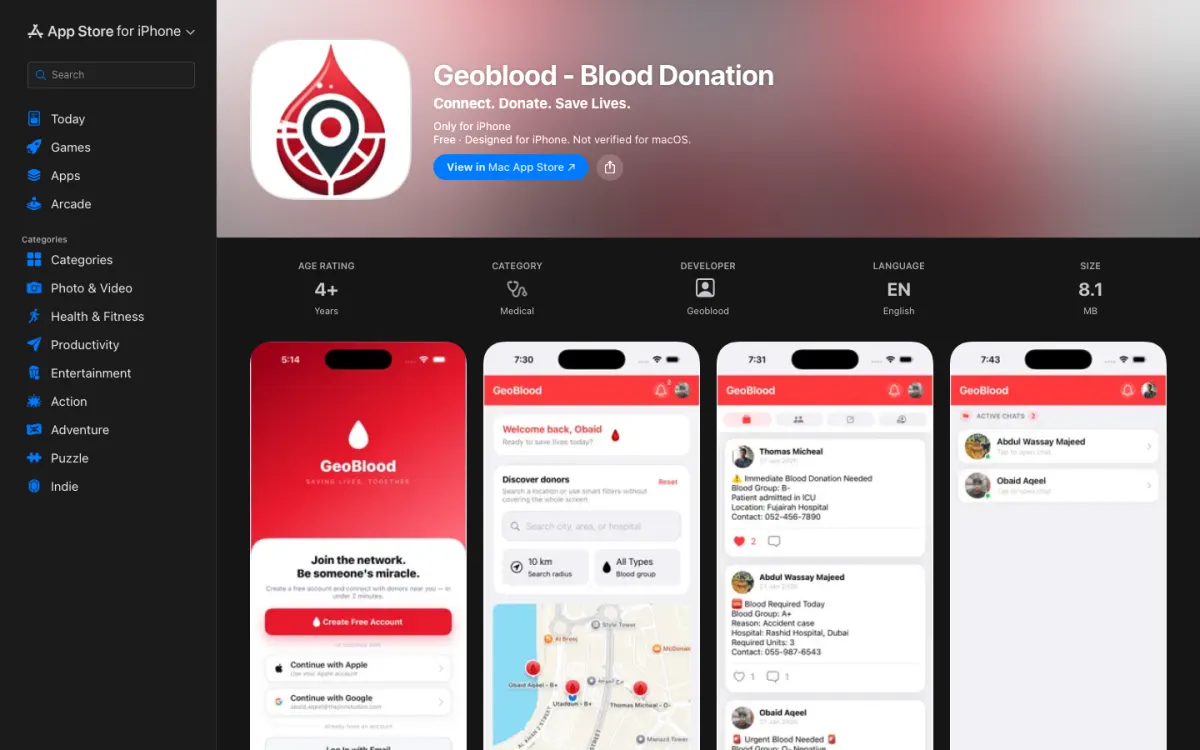
Mobile Product
GeoBlood App
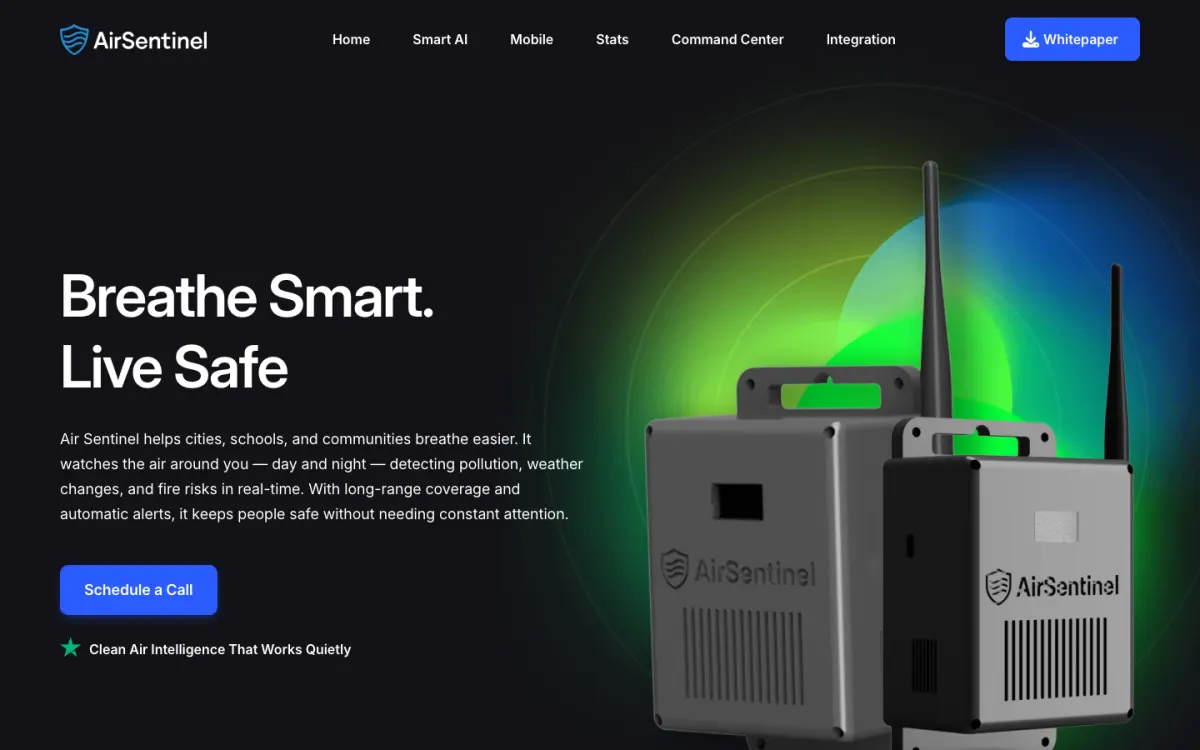

Air Monitoring
AirSentinel
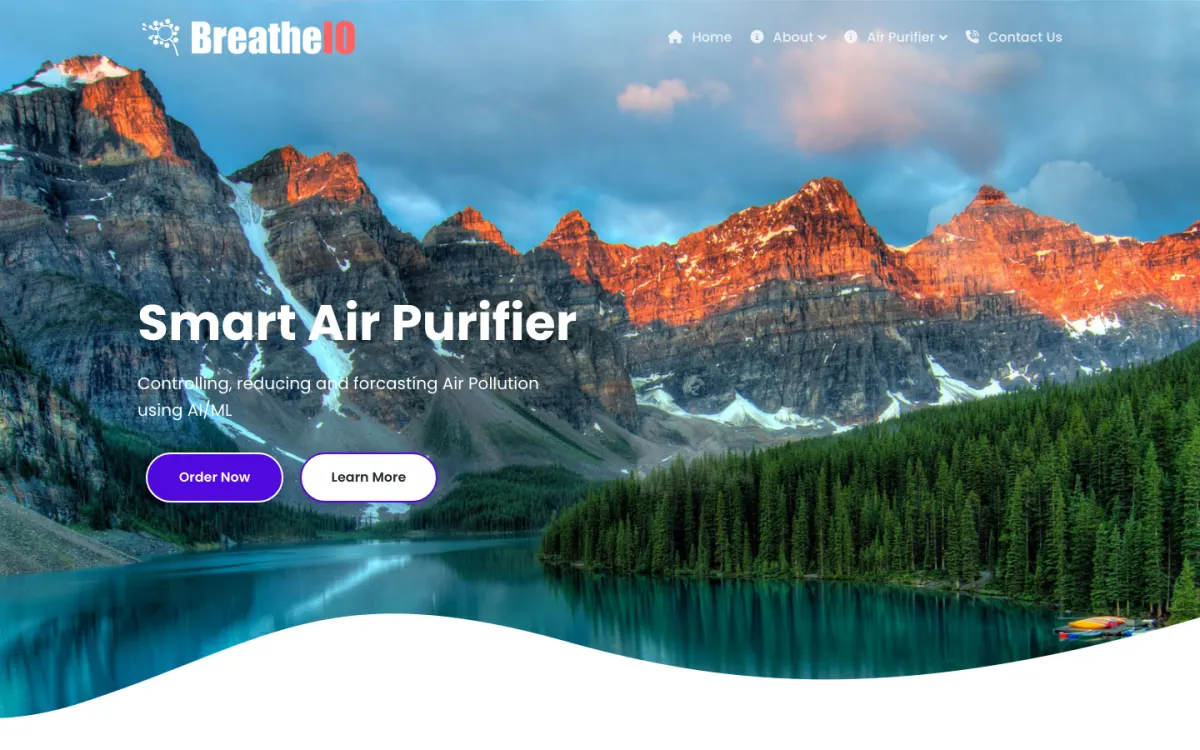

Environmental Tech
BreatheIO
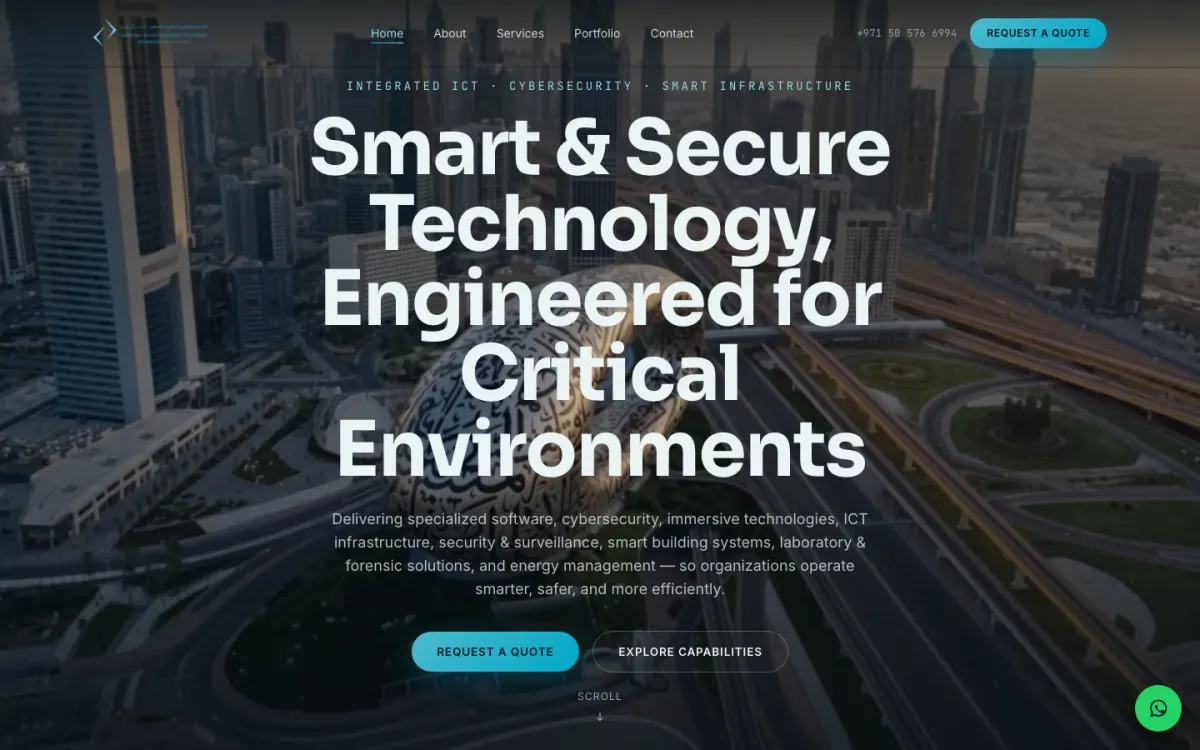

ICT / Security / Systems
Alebdaat
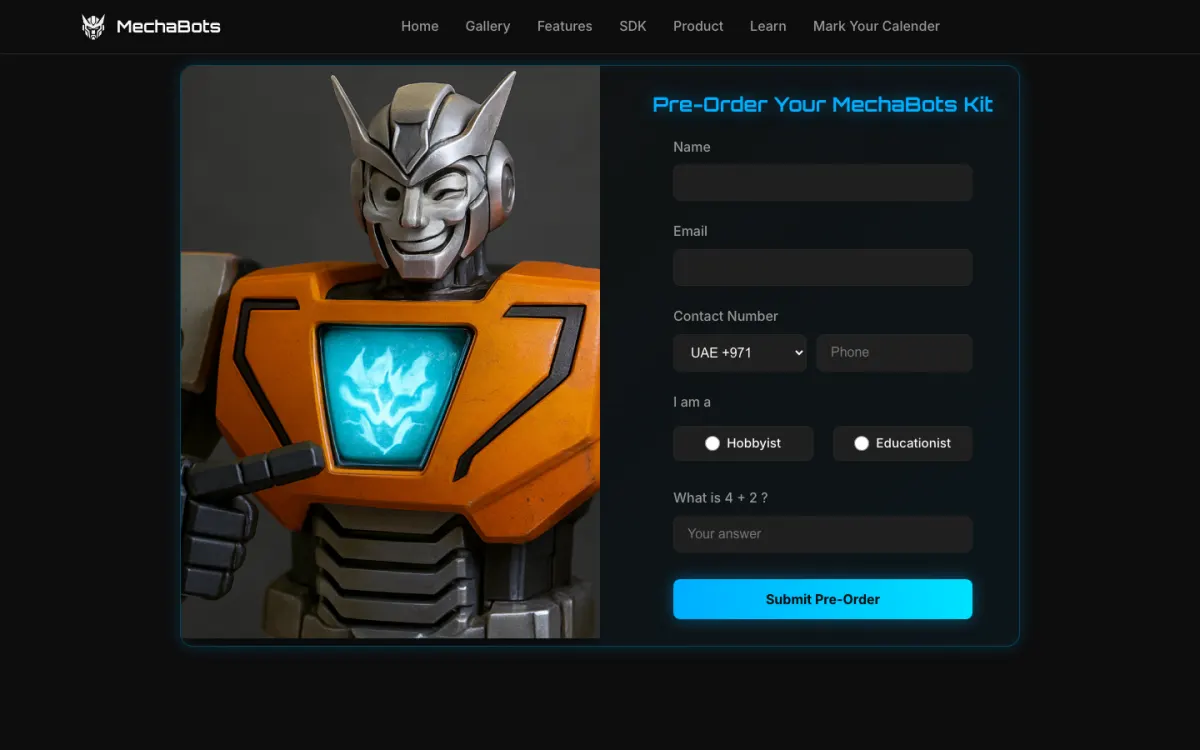

Robotics
MechaBots
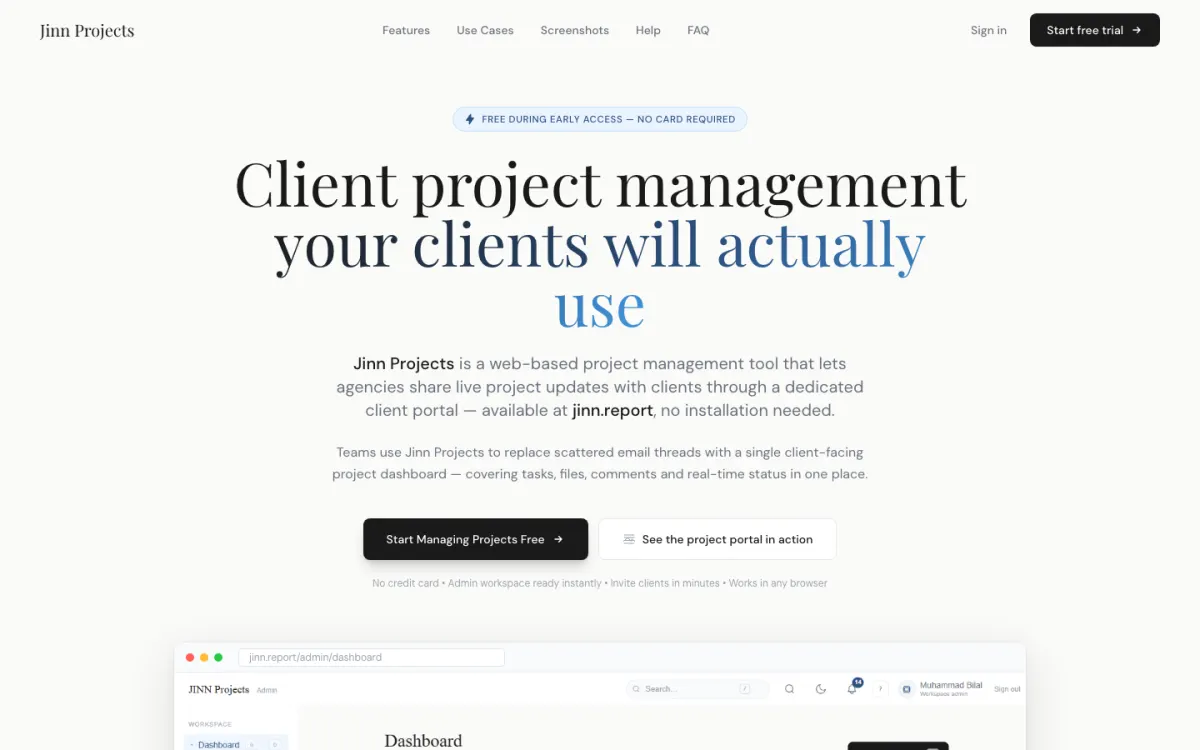

Client Project Workspace
Jinn Reports
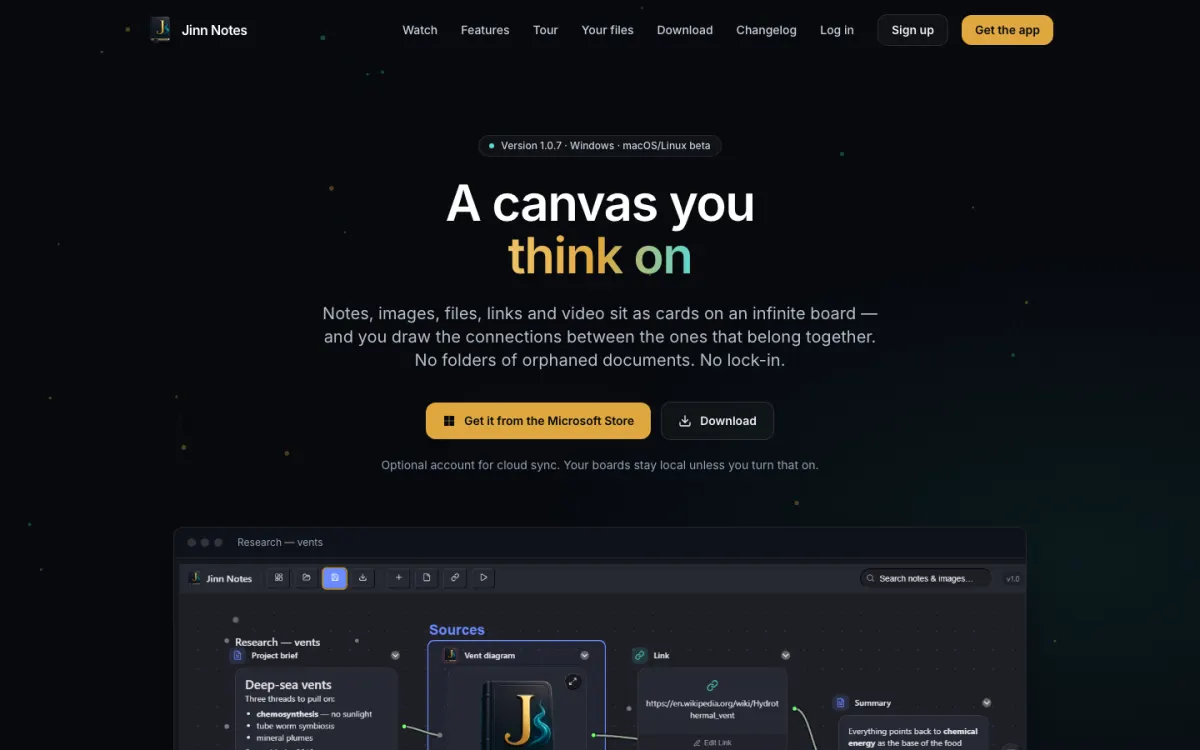

Visual Note-Taking
Jinn Notes
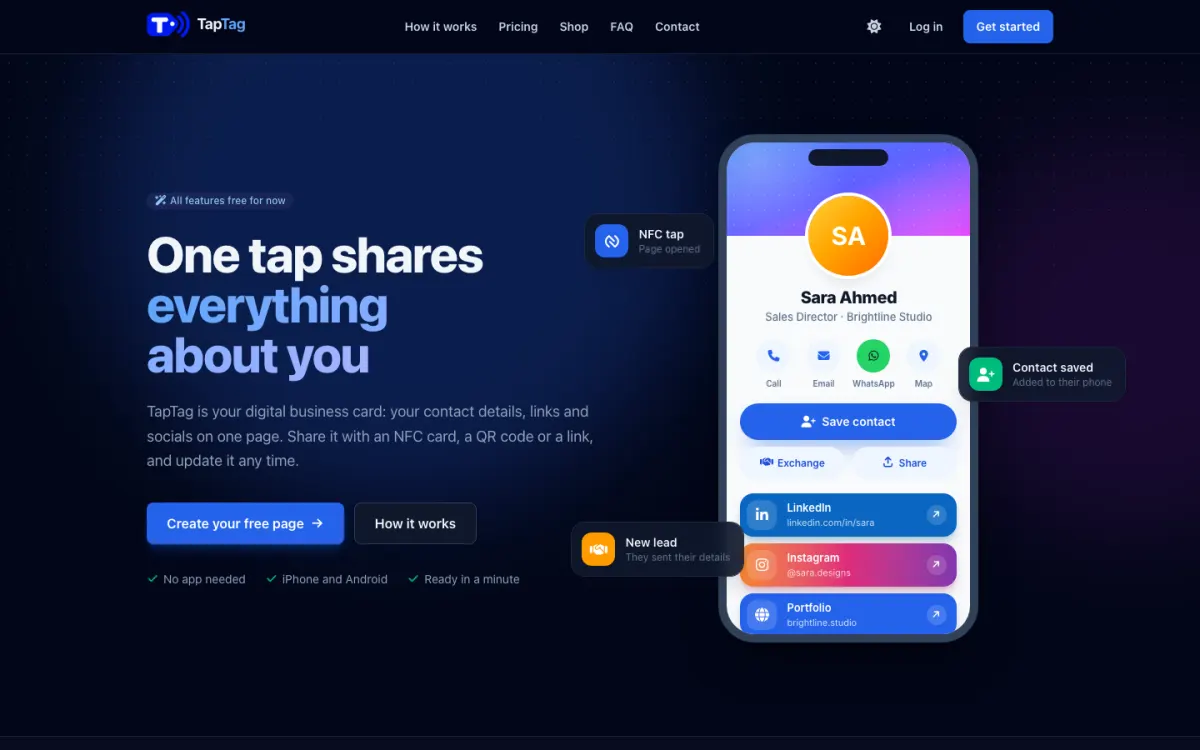

Digital Business Cards
TapTag
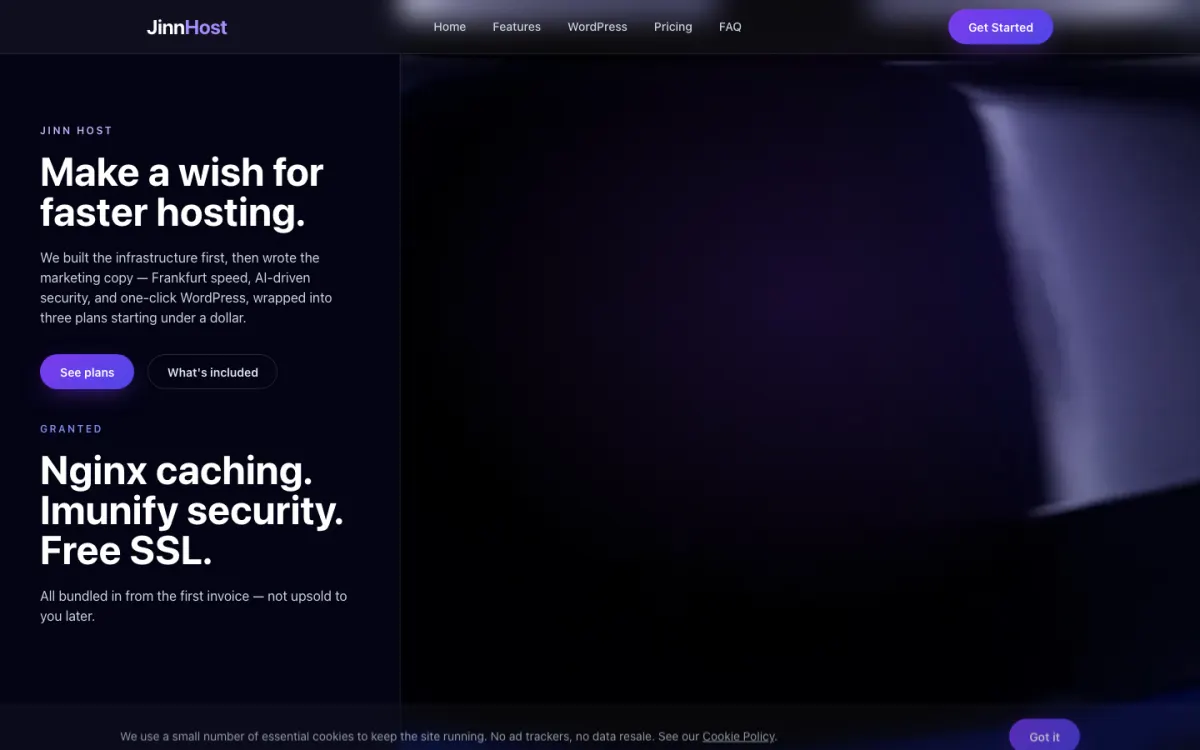

Hosting Infrastructure
JinnHost
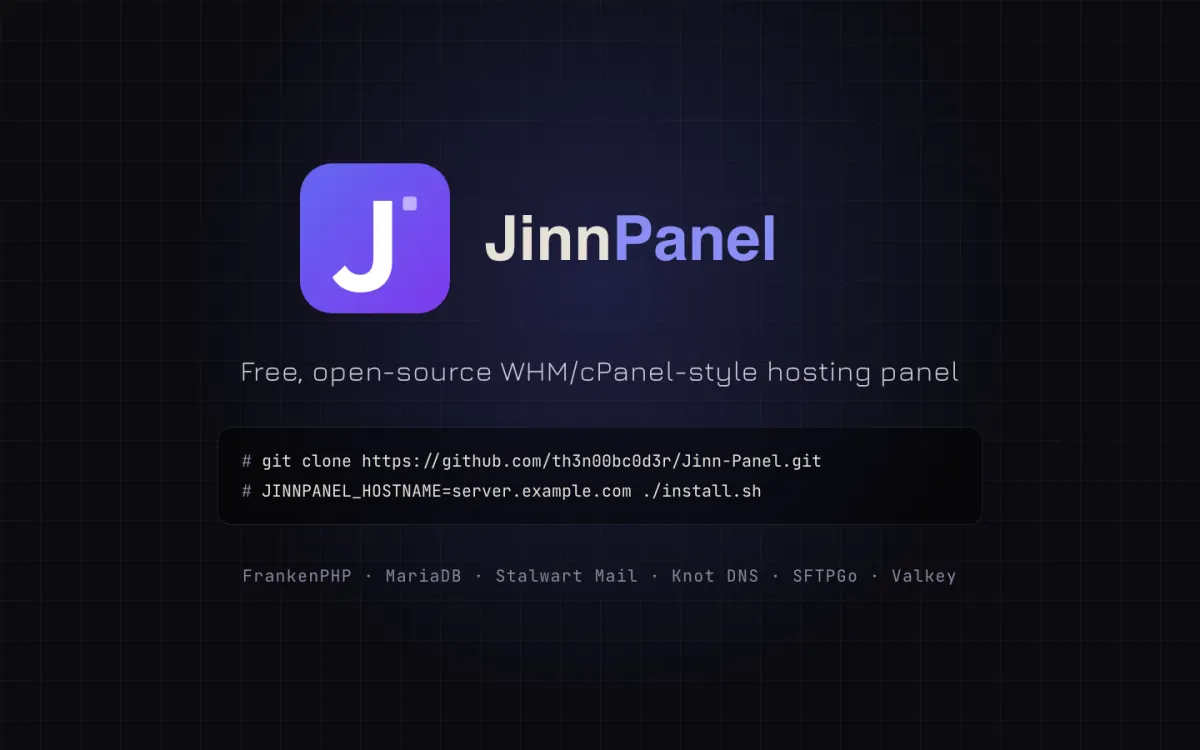
Open-Source Control Panel
Jinn Panel
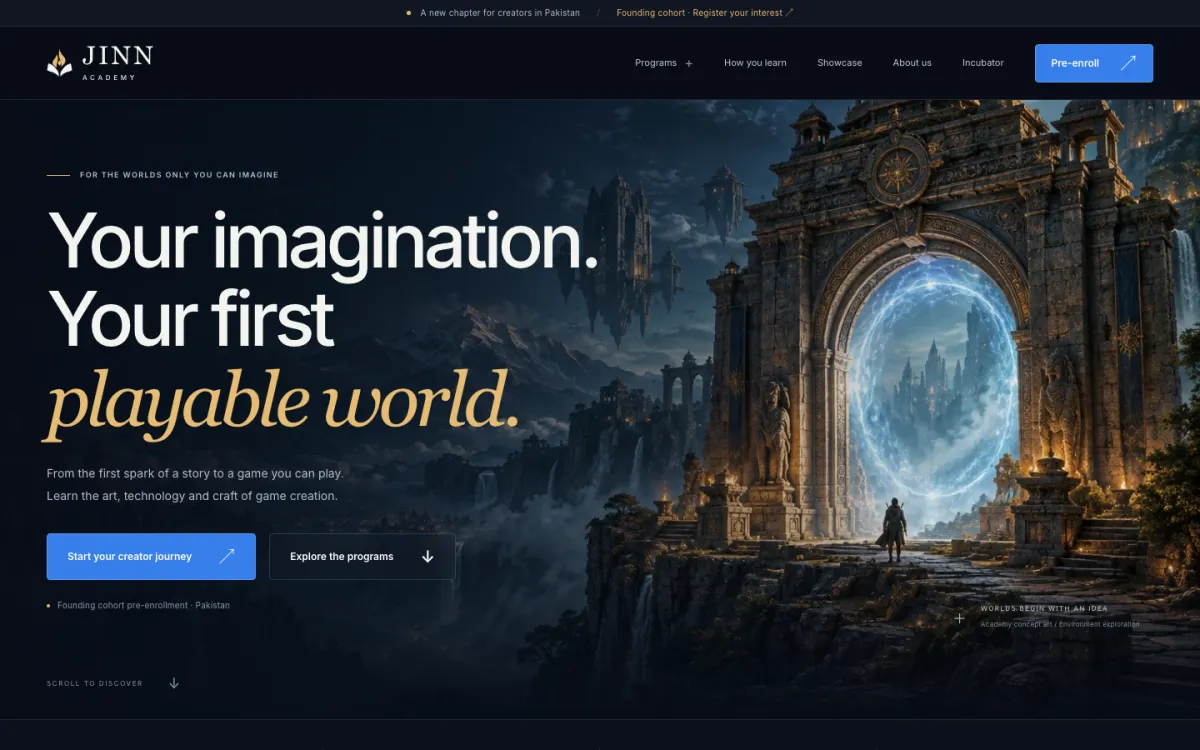

Game Development Academy
Jinn Academy
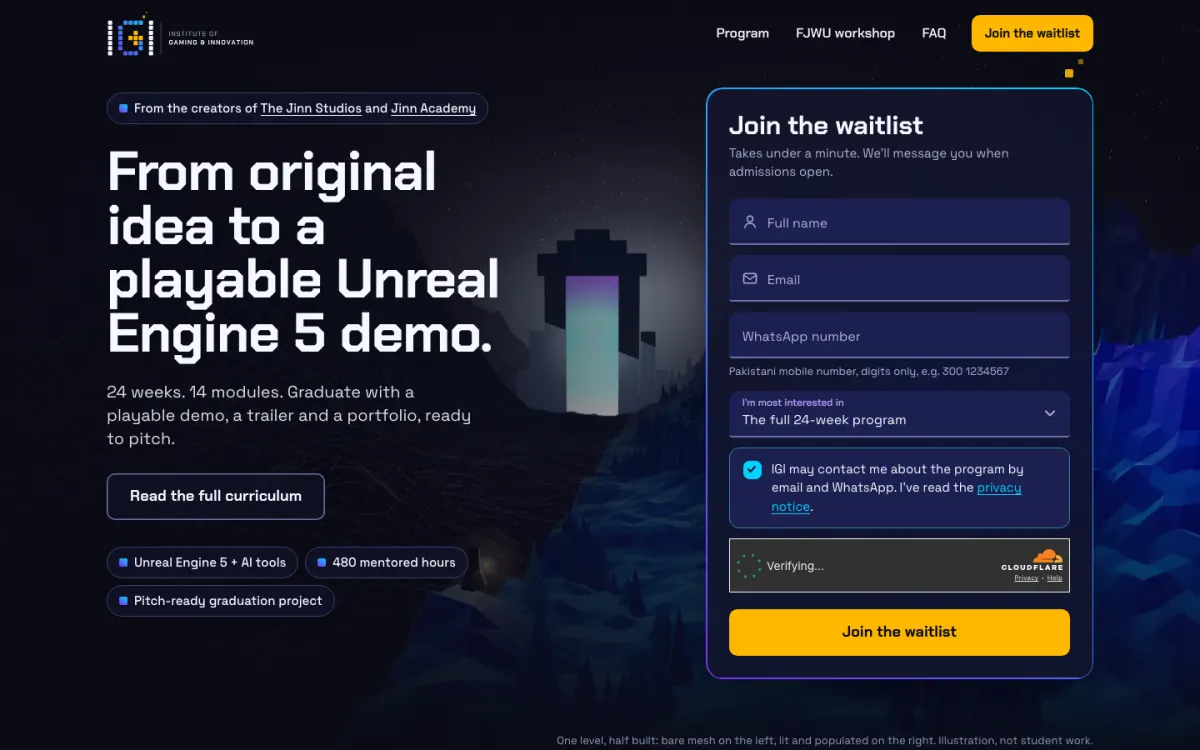

Unreal Engine 5 Program
IGI
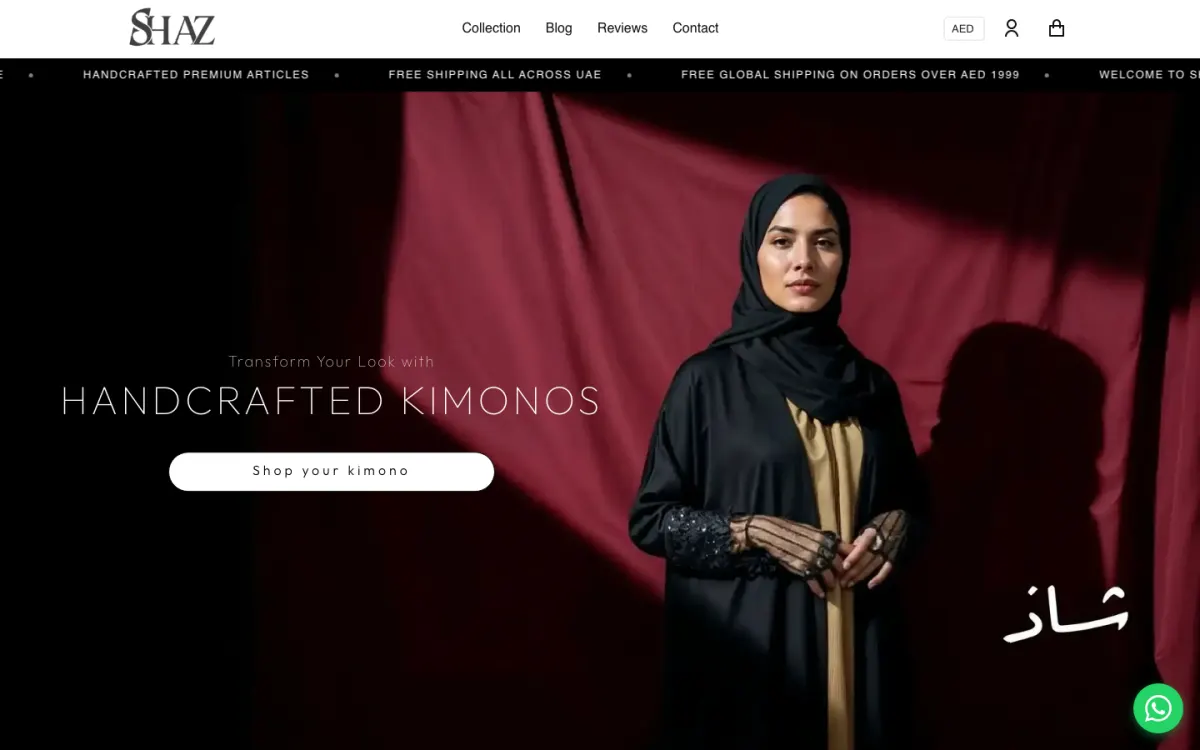

Luxury Commerce
SHAZ
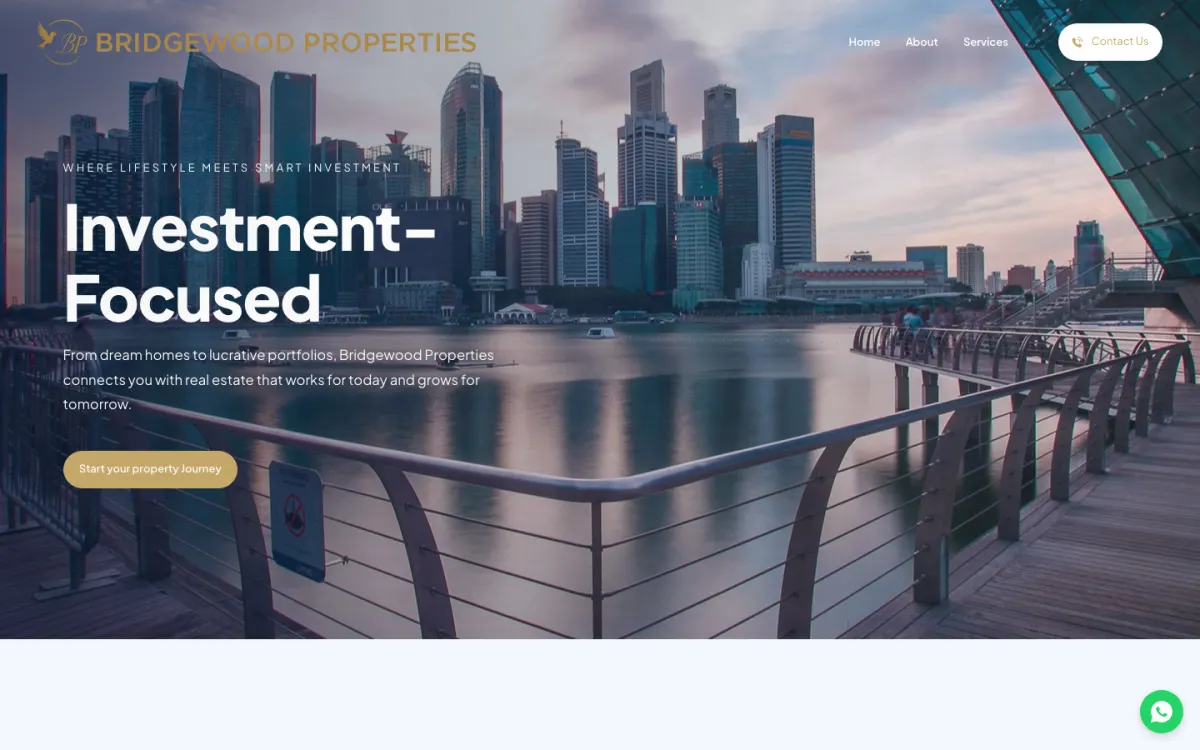

Property
Bridgewood
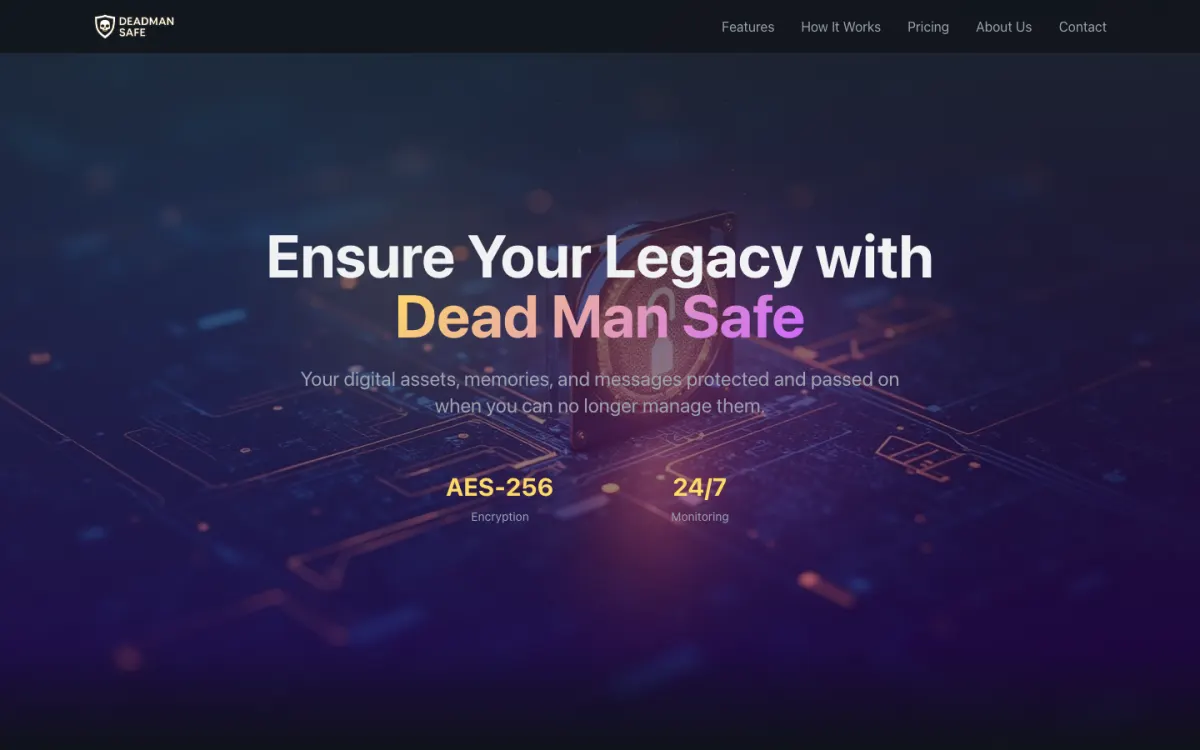

Digital Legacy
Dead Man Safe
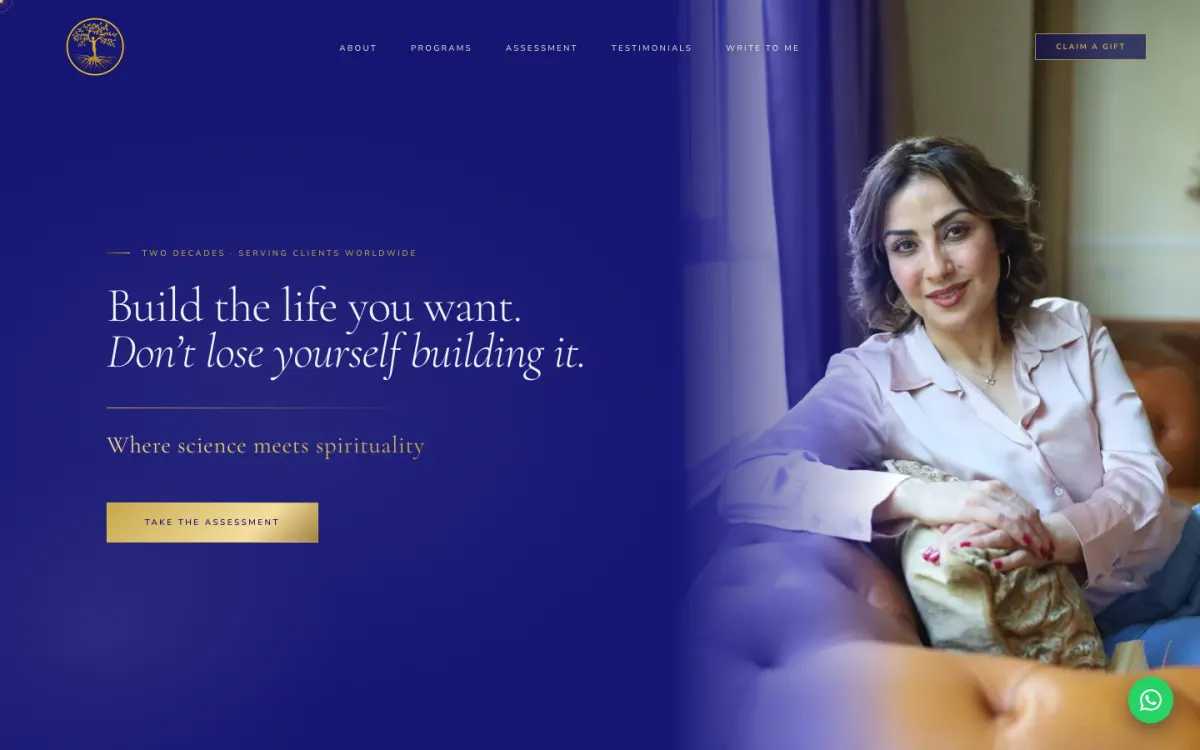

Personal Brand
Shorouk Al Abdallah
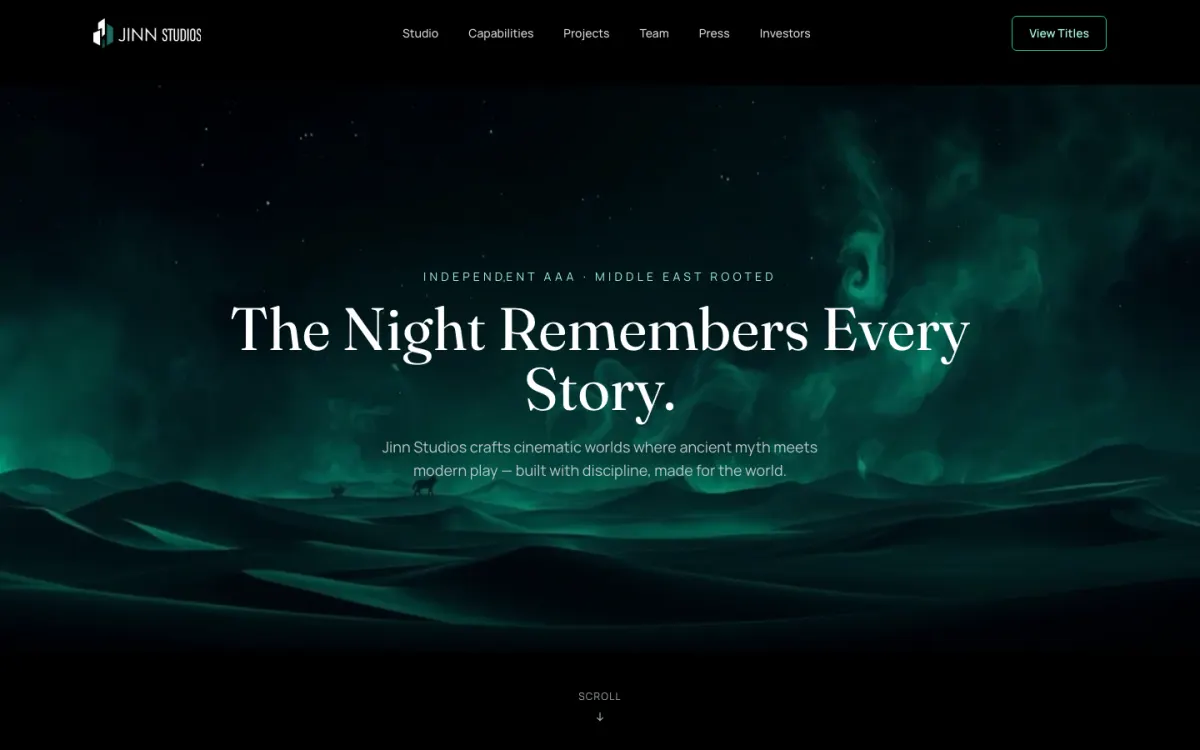

Studio
Jinn Studios
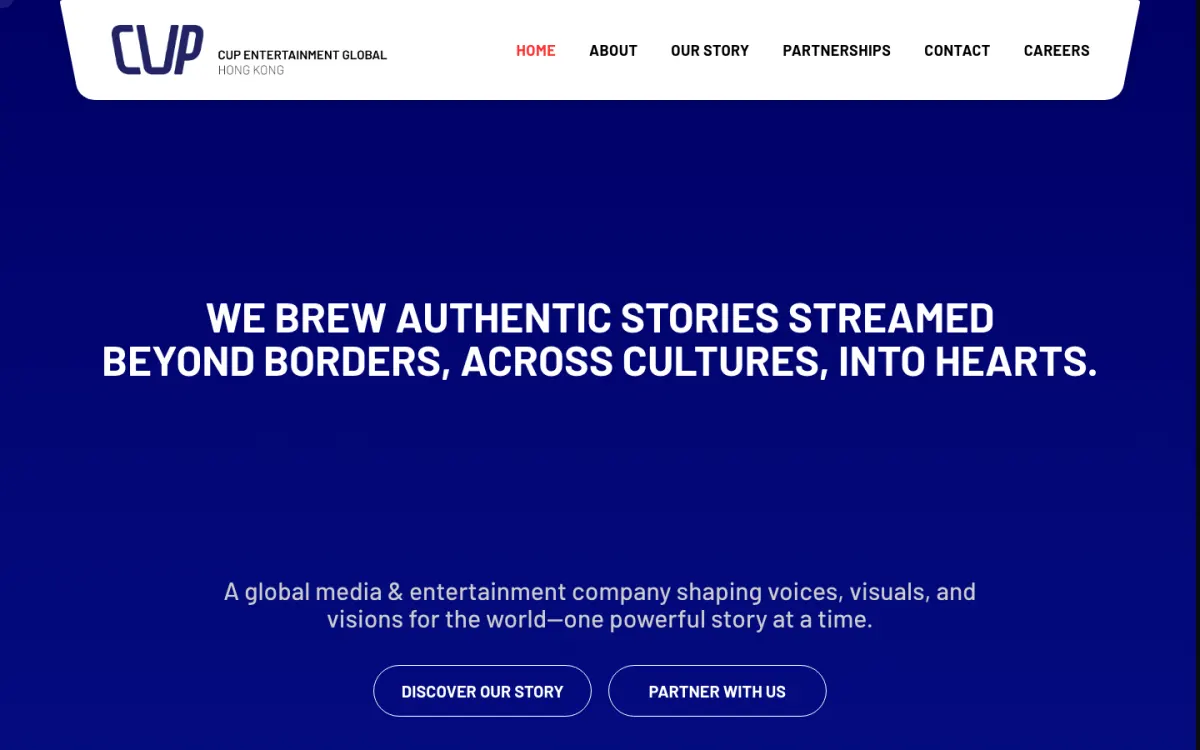

Entertainment
Cup Entertainment
Start a conversation
Ready to build a mobile app
that people actually use?
Tell us what you are building. We will tell you how we would approach the product, what the architecture needs to support, and whether we are the right fit. No pitch, no pressure.
After you reach out
We respond within one business day with an initial read on your request and suggested next steps.
Discovery call
A 45-minute call covering the product problem, the user, the platform requirements, and what success looks like for the engagement.
Proposal
A written proposal with scope, platform recommendation, timeline, and investment. No vague estimates. No surprises after signing.